

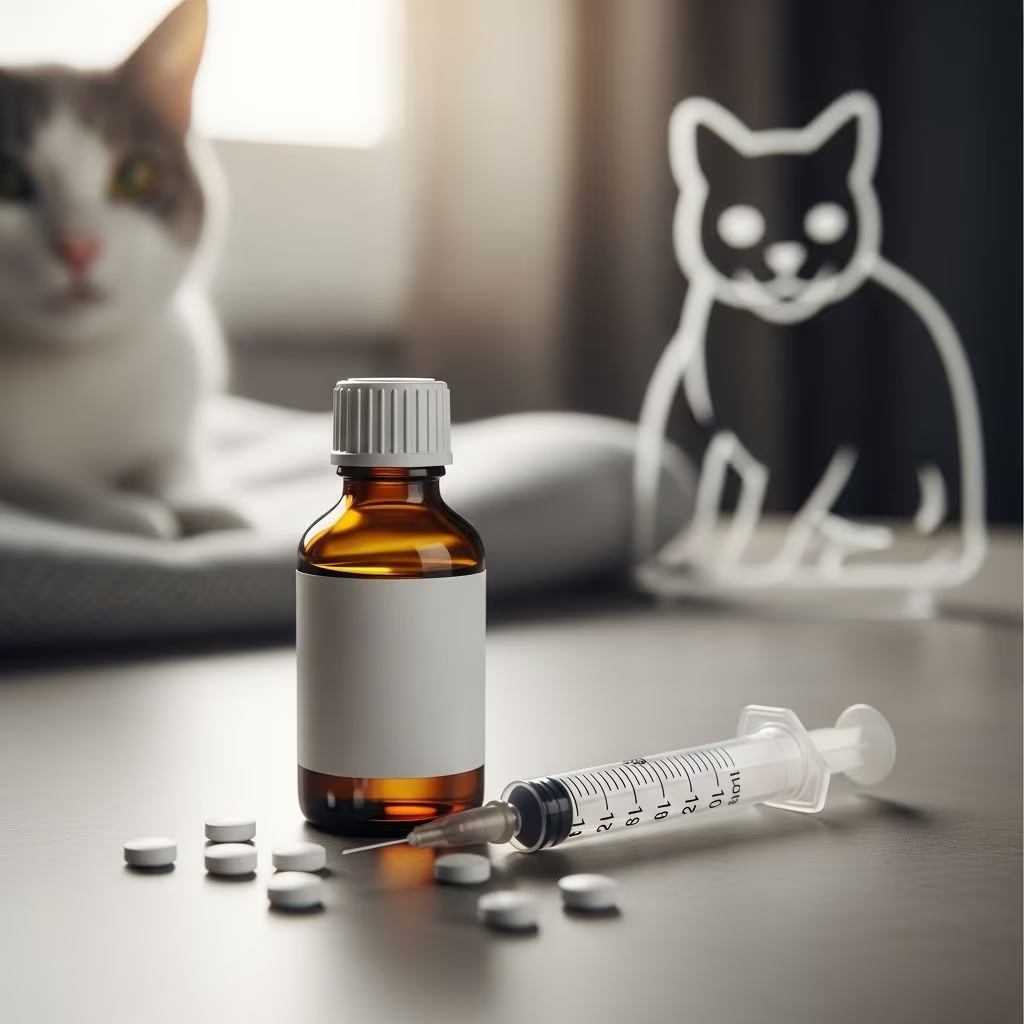
Understanding Enrofloxacin: A Comprehensive Guide for Pet Owners
Enrofloxacin is a powerful fluoroquinolone antibiotic commonly prescribed by veterinarians to treat bacterial infections in pets. This medication belongs to a class of antibiotics that are particularly effective against a broad spectrum of bacteria, making it a valuable tool in veterinary medicine. Understanding how enrofloxacin works, when it’s prescribed, and how to properly administer it can help pet owners make informed decisions about their animal’s healthcare and ensure the best possible outcomes during treatment.
As a fluoroquinolone antibiotic, enrofloxacin works by inhibiting bacterial DNA gyrase and topoisomerase IV, enzymes essential for bacterial DNA replication and repair. This mechanism of action makes it particularly effective against gram-negative bacteria and some gram-positive organisms that may be resistant to other types of antibiotics. The medication is available under various brand names, with Baytril being one of the most commonly recognized formulations in veterinary medicine.
Common Uses of Enrofloxacin in Veterinary Medicine
Veterinarians prescribe enrofloxacin for a variety of bacterial infections in dogs and cats. The medication’s broad-spectrum activity and excellent tissue penetration make it suitable for treating several types of infections that would otherwise be difficult to manage.
Enrofloxacin is commonly prescribed for the following conditions:
– Respiratory tract infections, including pneumonia and bronchitis- Urinary tract infections and complicated cystitis- Skin and soft tissue infections, including pyoderma- Deep-seated infections affecting internal organs- Infections resistant to other antibiotic classes- Orthopedic infections and septic conditions
The medication is particularly valuable when dealing with gram-negative bacteria such as Pseudomonas aeruginosa, E. coli, and Klebsiella pneumoniae, which can be challenging to treat with first-line antibiotics. Your veterinarian will determine whether enrofloxacin is the appropriate choice based on your pet’s specific infection, medical history, culture and sensitivity results, and any existing health conditions.
Dosing Guidelines for Dogs
Proper dosing is critical for the effectiveness of enrofloxacin therapy while minimizing the risk of adverse effects. The dosage for dogs varies depending on the type and severity of the infection being treated.
Standard Dosing for Dogs:
– For uncomplicated skin and urinary tract infections: 5-10 mg/kg once daily for 7-14 days- For deep pyoderma, lower respiratory infections, or complicated urinary tract infections: 5-20 mg/kg once daily for 7-14 days- For sepsis or orthopedic infections: 10-20 mg/kg once daily- The high end of the dose range (15-20 mg/kg) is preferred for Pseudomonas soft tissue infections
The standard dosage typically ranges from 5 to 20 mg per kilogram of body weight, administered once daily. For example, a 50-pound dog (approximately 22.7 kg) would receive between 113.5 and 454 mg per day, depending on the infection type. Your veterinarian will determine the exact dose based on your pet’s condition, the suspected or confirmed pathogen, and your dog’s individual characteristics.
Dosing Guidelines for Cats
Cats require special consideration when using enrofloxacin due to their increased sensitivity to potential side effects, particularly retinal degeneration and blindness. The maximum recommended daily dose for cats is significantly lower than for dogs.
Dosing for Cats:
– Maximum daily dose: 5 mg/kg per day- This can be administered as 2.5 mg/kg twice daily or 5 mg/kg once daily- Treatment duration should not exceed 30 days, with 7-14 days being ideal
Because of the serious risk of retinal degeneration and potential blindness in cats, enrofloxacin should only be used in felines when other antimicrobial options are not available. Pet owners of cats on this medication should be vigilant about reporting any changes in vision, eye appearance, or behavior that might indicate ocular problems.
Administration and Important Precautions
Proper administration of enrofloxacin is essential to maximize therapeutic benefits and reduce the risk of side effects. Following your veterinarian’s specific instructions carefully is crucial for successful treatment outcomes.
How to Administer Enrofloxacin:
– Administer the medication at the same time each day to maintain consistent blood levels- Enrofloxacin can be given with or without food, though it should not be given with high-calcium foods- Cheese, yogurt, and other dairy products can interfere with absorption and should be avoided- Complete the entire prescribed course of treatment, even if your pet appears to be feeling better- Never adjust the dose without consulting your veterinarian- Keep regular follow-up appointments to monitor your pet’s response to treatment
Routes of Administration:
Enrofloxacin can be administered through multiple routes depending on the clinical situation and formulation available. Oral tablets or liquids are most common for outpatient treatment, while injectable forms (intramuscular, intravenous, or subcutaneous) may be used in hospital settings or for animals unable to take oral medication. Your veterinarian will determine the most appropriate route for your pet’s specific condition.
Important Restrictions and Contraindications
While enrofloxacin is a valuable antibiotic, it is not suitable for all animals or situations. Understanding these restrictions helps ensure your pet’s safety.
Animals That Should Not Receive Enrofloxacin:
– Young, growing animals due to adverse effects on cartilage development- Puppies and kittens under 12 months of age (especially for certain formulations)- Animals with known hypersensitivity to fluoroquinolone antibiotics- Pets with severe liver or kidney disease without dose adjustment
Enrofloxacin should not be used in food-producing animals except under specific circumstances, and extralabel use in food-producing animals is prohibited in the United States. This restriction ensures food safety and prevents the development of antibiotic-resistant bacteria in the food supply.
Potential Side Effects and Adverse Reactions
While enrofloxacin is generally well-tolerated in most pets, some animals may experience side effects. Being aware of these potential reactions helps pet owners recognize problems early and contact their veterinarian when necessary.
Common Side Effects:
– Gastrointestinal upset, including nausea, vomiting, and diarrhea- Loss of appetite or decreased food intake- Mild drowsiness or lethargy- Headache-like symptoms in some animals
Serious Side Effects Requiring Immediate Veterinary Attention:
– Retinal degeneration or vision changes (particularly in cats)- Blindness (especially with prolonged or high-dose use in cats)- Cartilage damage in young animals- Severe allergic reactions or anaphylaxis- Photosensitivity reactions in some animals exposed to sunlight- Myelosuppression (low blood cell counts) with higher doses
Cats are at higher risk for retinal degeneration and blindness, particularly when doses exceed 5 mg/kg daily or with prolonged treatment duration. Pet owners should monitor their cats’ eyes closely during and after treatment, watching for any signs of vision impairment.
Drug Interactions and Contraindicated Medications
Enrofloxacin may interact with other medications your pet is taking. It’s important to inform your veterinarian about all supplements, medications, and over-the-counter products your pet is currently receiving.
High-calcium supplements and products can reduce enrofloxacin’s absorption and effectiveness. These include dairy products, calcium supplements, and antacids containing calcium or aluminum. When possible, separate the administration of enrofloxacin from these products by at least two hours.
Additionally, enrofloxacin may interact with theophylline and other medications metabolized by the liver. Your veterinarian will review all potential interactions when prescribing enrofloxacin to ensure safe, effective treatment.
Storage and Handling Considerations
Proper storage ensures that enrofloxacin remains effective throughout the treatment period. Store the medication at room temperature away from direct sunlight, heat, and moisture. Keep tablets in their original container, and never transfer them to different containers, as this may affect stability. Check the expiration date before administering each dose, and discard any expired medication according to local pharmaceutical disposal guidelines.
Injectable forms of enrofloxacin should be stored according to package directions, which may include refrigeration. Always inspect injectable solutions for discoloration or particulate matter before administration, and discard any compromised medication.
Monitoring Your Pet During Treatment
Regular monitoring helps ensure your pet is responding well to enrofloxacin therapy and that no concerning side effects are developing. Your veterinarian may recommend follow-up appointments to evaluate treatment progress, especially for serious infections or extended treatment courses.
During treatment, observe your pet closely for:
– Response to therapy, such as improved appetite, increased energy, or resolution of infection symptoms- Development of any adverse reactions or side effects- Changes in behavior, vision, or appetite- Vomiting, diarrhea, or other gastrointestinal symptoms- Signs of allergic reaction such as swelling, hives, or difficulty breathing
For cats specifically, monitor vision closely by observing their ability to navigate familiar environments, pupil response to light, and any signs of reluctance to move in dim lighting. Report any concerns immediately to your veterinarian.
When Enrofloxacin May Not Be Appropriate
In some cases, your veterinarian may choose alternative antibiotics instead of enrofloxacin. These situations include:
– Young animals where cartilage damage is a concern- Cats with a history of eye problems or where other options are available- Animals with severe liver or kidney disease- Pets with known fluoroquinolone hypersensitivity- Animals already on medications with significant interaction potential
Your veterinarian considers many factors when selecting antibiotics and will discuss alternative options if enrofloxacin is not suitable for your pet’s specific situation.
Frequently Asked Questions
Q: How long does enrofloxacin take to work in dogs?
A: Most pets show improvement within 3-5 days of starting enrofloxacin therapy, though complete resolution of infection may take 7-14 days or longer depending on the infection’s severity. It’s important to complete the entire prescribed course even if your pet seems better.
Q: Can I give enrofloxacin with food?
A: Enrofloxacin can be given with or without food to help reduce stomach upset. However, avoid high-calcium foods like cheese and dairy products, as they can interfere with the medication’s absorption and reduce its effectiveness.
Q: What should I do if I miss a dose?
A: If you miss a dose, give it as soon as you remember, unless it’s almost time for the next scheduled dose. Never give a double dose to make up for a missed one. Contact your veterinarian for specific guidance.
Q: Are there any long-term effects of enrofloxacin therapy?
A: Short-term use of enrofloxacin (7-30 days) is generally safe with minimal long-term effects. However, prolonged use, especially in cats or young animals, carries increased risk of serious side effects like retinal degeneration or cartilage damage.
Q: Can enrofloxacin be used in other species besides dogs and cats?
A: Yes, enrofloxacin is approved for use in various animals including birds, rabbits, ferrets, and some livestock species, though dosing differs significantly. Always consult your veterinarian for species-specific dosing and safety considerations.
Q: What is the cost of enrofloxacin treatment?
A: Costs vary depending on your pet’s weight, the prescribed dose, treatment duration, and your veterinarian’s fees. Generic versions are typically less expensive than brand-name Baytril. Discuss costs with your veterinarian.
Q: Is enrofloxacin safe for pregnant or nursing pets?
A: Fluoroquinolones like enrofloxacin should generally be avoided in pregnant and nursing animals due to potential effects on developing fetuses and passage into breast milk. Discuss pregnancy status with your veterinarian before starting treatment.
Conclusion
Enrofloxacin is a valuable antibiotic tool in veterinary medicine when used appropriately and under veterinary supervision. By understanding its uses, proper dosing, administration techniques, and potential side effects, pet owners can play an active role in ensuring their animals receive safe and effective treatment. Always follow your veterinarian’s specific instructions, complete the full course of therapy, and report any concerning symptoms immediately. With proper care and monitoring, enrofloxacin can help resolve bacterial infections and restore your pet to health.
References
- Enrofloxacin for Dogs: A Complete Guide to This Powerful Antibiotic — PetsCare. 2024. https://www.petscare.com/news/post/enrofloxacin-dogs-guide-antibiotic
- Enrofloxacin [Companion] – OSU VMC Antimicrobial Use Guidelines — Ohio State University College of Veterinary Medicine. 2024. https://ohiostate.pressbooks.pub/osuvmcabxuse/chapter/abx_enrofloxacin-companion/
- Table: Dosages of Quinolones — MSD Veterinary Manual. Merck & Co., Inc. 2024. https://www.msdvetmanual.com/multimedia/table/dosages-of-quinolones
- Enrofloxacin for Dogs: Uses, Dosage, Side Effects — GoodRx. 2024. https://www.goodrx.com/pet-health/dog/enrofloxacin-for-dogs
- Baytril® (enrofloxacin) Antibacterial Tablets for dogs, cats — Elanco Animal Health. 2024. https://my.elanco.com/us/baytril
- ENROFLOXACIN: Modification of bovine, porcine, and poultry summary report — European Medicines Agency Committee for Veterinary Medicinal Products. 2023. https://www.ema.europa.eu/en/documents/mrl-report/enrofloxacin-modification-bovine-porcine-and-poultry-summary-report-2-committee-veterinary-medicinal-products_en.pdf



