

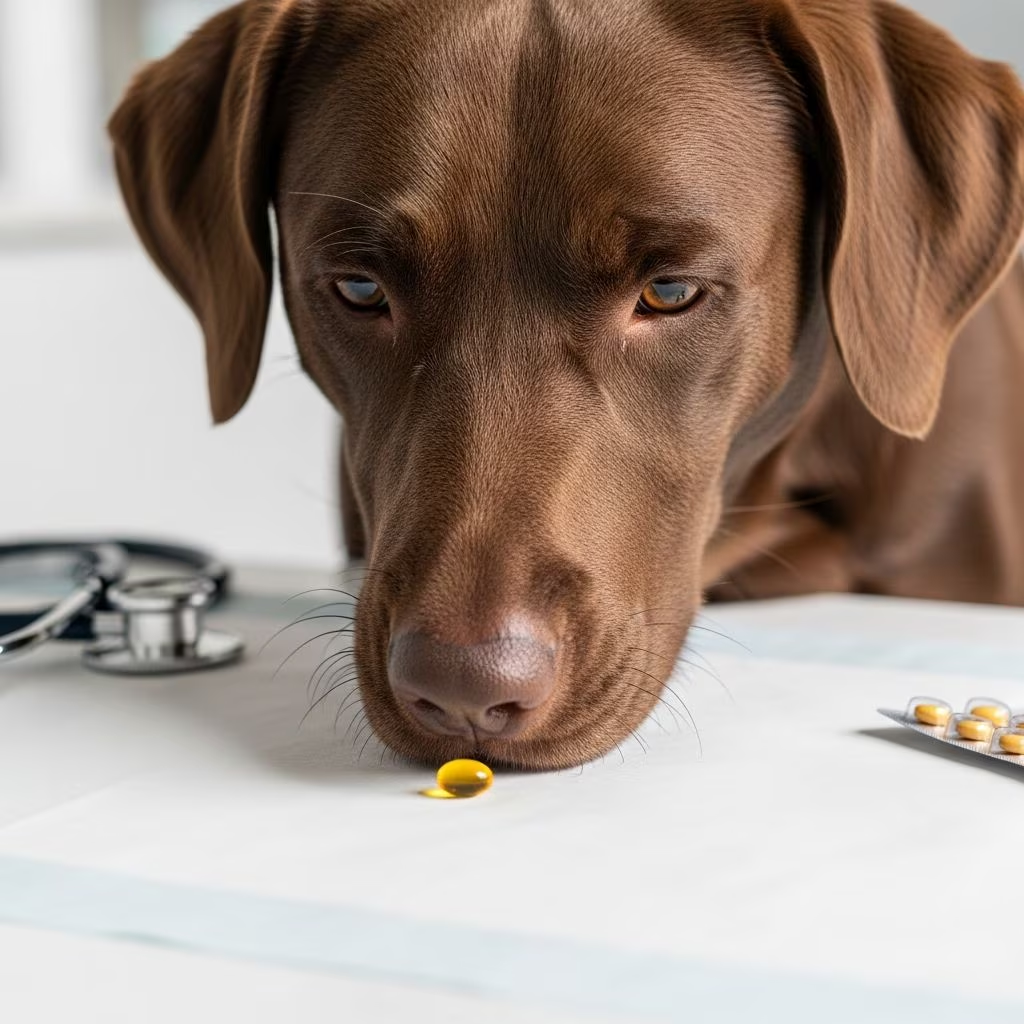
Enrofloxacin, commonly known by its brand name Baytril, stands out as a potent antibiotic in veterinary medicine, specifically designed to combat stubborn bacterial infections in dogs. This fluoroquinolone-class drug targets a wide array of bacteria, making it a go-to option when standard antibiotics fall short.
Understanding Enrofloxacin’s Role in Canine Health
Developed for animal use, enrofloxacin works by disrupting the DNA replication process within bacteria, effectively halting their growth and leading to their elimination. Unlike narrower-spectrum antibiotics, its broad-spectrum nature allows it to address both Gram-negative and certain Gram-positive bacteria, including tough strains like Escherichia coli, Staphylococcus aureus, and Proteus mirabilis.
Veterinarians reserve enrofloxacin for cases where first-line treatments prove ineffective, helping to curb the rise of antibiotic-resistant bacteria. This strategic use ensures the drug remains viable for critical situations.
Common Infections Treated with Enrofloxacin
Dogs facing severe or recurrent infections benefit most from enrofloxacin. Key applications include:
- Urinary Tract Infections (UTIs): Effective against cystitis caused by susceptible bacteria, relieving painful urination and frequent accidents.
- Skin and Soft Tissue Infections: Treats wounds, abscesses, and deep pyoderma linked to E. coli, Klebsiella, or staphylococci.
- Respiratory Conditions: Manages pneumonia, bronchitis, and rhinitis from pathogens like Staphylococcus intermedius.
- Gastrointestinal and Other Issues: Addresses peritonitis, osteomyelitis, otitis, and pleuritis when cultures confirm sensitivity.
By focusing on culture-guided therapy, vets maximize success rates while minimizing unnecessary exposure.
Dosage Guidelines and Administration Methods
Dosage varies by infection severity, dog’s weight, and health status. Typically, vets prescribe 5-20 mg/kg body weight daily, split into one or two doses, for 7-14 days. For example:
| Infection Type | Typical Dose (mg/kg/day) | Frequency |
|---|---|---|
| Urinary Tract | 5-10 | Once daily |
| Skin Infections | 10-20 | Once or twice daily |
| Respiratory | 5-10 | Once daily |
| Severe/Deep Infections | Up to 20 | Twice daily |
Available as flavored tablets, oral suspensions, chewables, or injectables, it’s given with food to enhance tolerance but avoided with dairy, calcium-rich foods, antacids, or minerals that bind the drug and reduce absorption.
Complete the full course, even if symptoms improve, to prevent relapse or resistance. Injectable forms suit hospitalized dogs for rapid action.
Potential Side Effects and Monitoring
Most dogs tolerate enrofloxacin well, with side effects in only 1-2% of cases, primarily mild gastrointestinal issues:
- Vomiting or nausea
- Diarrhea or loose stools
- Loss of appetite
- Lethargy in rare instances
Rarer concerns include elevated liver enzymes, eye abnormalities (retinopathy at high doses), or neurological signs like seizures in predisposed dogs. Fluoroquinolones carry a risk of tendon damage, particularly during vigorous activity.
Monitor hydration, appetite, and stool quality. Contact your vet if symptoms persist beyond 48 hours or worsen. Regular bloodwork may be advised for long-term use.
Special Considerations for Puppies, Seniors, and Breeds
Avoid in puppies under 8 months due to potential cartilage damage affecting joint development. In life-threatening cases, benefits may justify use under close supervision.
Adjust doses for dogs with kidney or liver disease, as the drug relies on both for clearance. Breeds like Collies sensitive to certain drugs warrant caution; genetic testing helps.
Pregnant or lactating dogs should use alternatives unless essential, due to limited safety data.
Drug Interactions and Contraindications
Enrofloxacin interacts with:
- NSAIDs (e.g., carprofen): Increased seizure risk.
- Theophylline: Elevated blood levels.
- Antacids/Minerals: Reduced efficacy.
- Corticosteroids: Potential tendon issues.
Contraindicated in dogs with known fluoroquinolone hypersensitivity or active seizure disorders.
Preventing Infections to Reduce Antibiotic Needs
Proactive care lowers reliance on drugs like enrofloxacin:
- Maintain vaccinations and parasite control.
- Provide balanced nutrition and dental hygiene.
- Regular vet check-ups for early detection.
- Monitor wounds promptly and keep living areas clean.
When to Consult Your Veterinarian
Seek immediate care if your dog shows signs of infection: fever, lethargy, discharge, swelling, coughing, or straining to urinate. Never self-medicate; culture/sensitivity tests guide precise therapy.
Frequently Asked Questions (FAQs)
Is enrofloxacin safe for all dogs?
Generally yes, but not for young puppies or those with specific health issues. Vet assessment is crucial.
How long does treatment last?
Usually 7-14 days, but chronic cases may extend. Always finish the prescription.
Can I use human fluoroquinolones instead?
No; animal formulations are optimized for pets and better studied.
What if my dog vomits after dosing?
Give with food or switch forms. Inform your vet if persistent.
Does enrofloxacin treat viral infections?
No, it’s bacteria-specific. Misuse promotes resistance.
Advances in Veterinary Antibiotic Therapy
Ongoing research refines enrofloxacin use, emphasizing stewardship programs to combat resistance. Combination therapies and probiotics support gut health during treatment. Future formulations may target biofilms for chronic infections.
Pet owners play a vital role by adhering to prescriptions and reporting issues promptly, ensuring this valuable tool remains effective for generations of dogs.
References
- Enrofloxacin for Dogs: Uses, Dosage, Side Effects – GoodRx — GoodRx. 2023. https://www.goodrx.com/pet-health/dog/enrofloxacin-for-dogs
- Enrofloxacin for Dogs and Cats – Wedgewood Pharmacy — Wedgewood Pharmacy. 2024. https://www.wedgewood.com/medications/enrofloxacin/
- Enrofloxacin Baytril for Dogs and Cats – WebMD — WebMD. 2023. https://www.webmd.com/pets/pet-meds/enrofloxacin-dogs-cats
- Enrofloxacin – JAM Veterinary Services — JAM Veterinary Services. 2024. https://www.jamdvm.com/enrofloxacin
- Enrofloxacin – VCA Animal Hospitals — VCA Animal Hospitals. 2024. https://vcahospitals.com/know-your-pet/enrofloxacin
- Enrofloxacin (Baytril®) for Dogs and Cats – PetMD — PetMD. 2024. https://www.petmd.com/pet-medication/enrofloxacin-baytril-for-dogs-cats



