

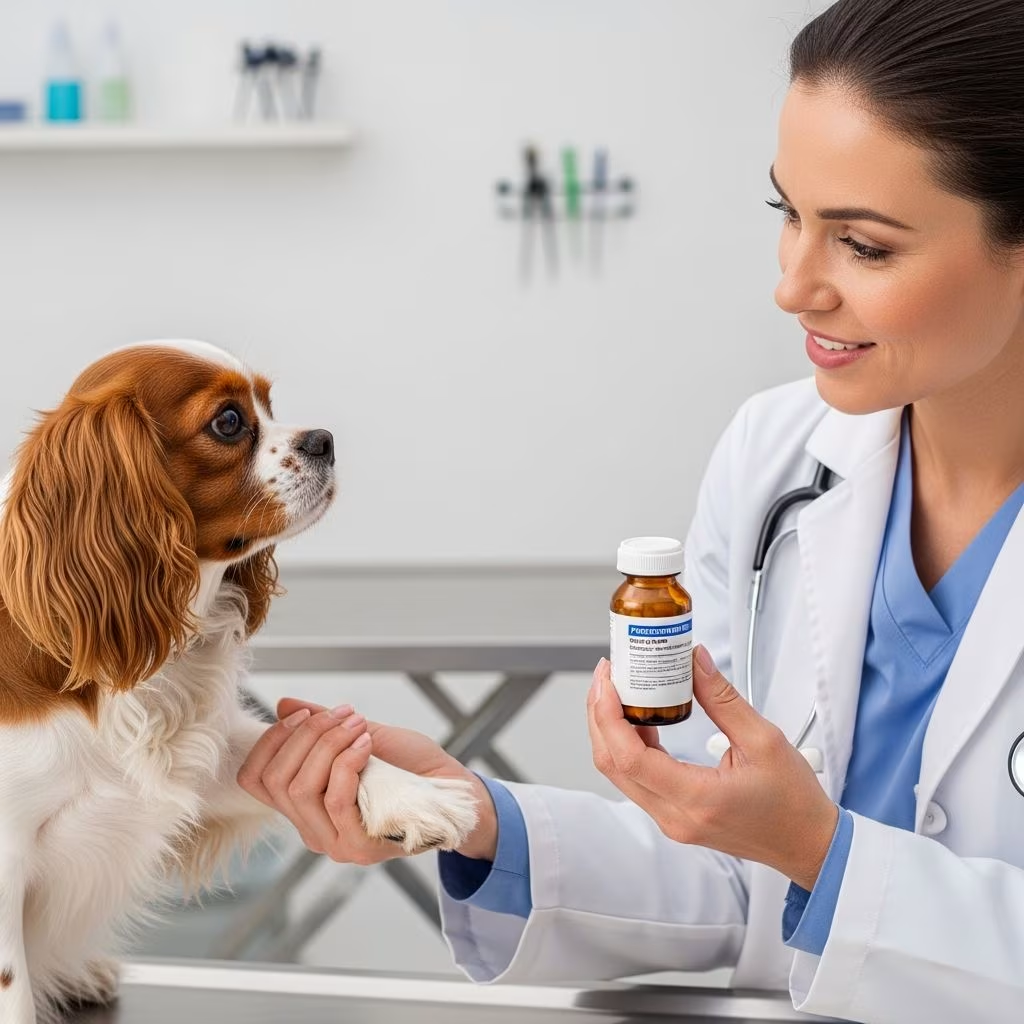
Enrofloxacin, commonly known by its brand name Baytril, stands as a cornerstone in veterinary medicine for managing stubborn bacterial infections in dogs and cats. This fluoroquinolone antibiotic targets a wide array of pathogens, particularly those resistant to first-line treatments, making it invaluable for complex cases.
Understanding the Role of Enrofloxacin in Veterinary Care
In the world of pet health, bacterial infections can range from minor annoyances to life-threatening conditions. Enrofloxacin belongs to the fluoroquinolone class, distinguished by its ability to disrupt bacterial DNA replication. By inhibiting enzymes like DNA gyrase, it prevents bacteria from multiplying, leading to their eventual death while sparing mammalian cells.
This mechanism makes enrofloxacin particularly effective against Gram-negative bacteria, such as Escherichia coli, Pseudomonas aeruginosa, and Klebsiella pneumoniae, as well as some Gram-positive strains like Staphylococcus intermedius. Veterinarians reserve it for situations where standard antibiotics fail, helping curb the rise of antibiotic resistance.
Common Infections Treated with Enrofloxacin
Enrofloxacin shines in treating infections across multiple systems in dogs and cats. Its broad-spectrum activity covers dermal wounds, urinary tract issues, and respiratory challenges.
- Skin and Soft Tissue Infections: Ideal for abscesses, wounds, and deep pyoderma caused by susceptible bacteria like Staphylococcus aureus or Pasteurella multocida.
- Urinary Tract Infections (UTIs): Effective against cystitis linked to E. coli or Proteus mirabilis, common in both species.
- Respiratory Infections: Manages pneumonia, bronchitis, and rhinitis from pathogens like Staphylococcus aureus.
- Other Conditions: Useful for otitis, osteomyelitis, peritonitis, and pleuritis in targeted cases.
In dogs, it’s FDA-approved for oral and injectable use against specific dermal, respiratory, and urinary pathogens. For cats, oral administration is standard, with injectables used off-label.
Available Forms and Administration Guidelines
Enrofloxacin comes in versatile formats to suit different pets and infection severities. Tablets, oral suspensions, and injectable solutions allow for precise dosing.
| Form | Description | Typical Use |
|---|---|---|
| Tablets | Scored for easy division; strengths from 22.7mg to 136.0mg | Oral treatment for dogs and cats |
| Oral Liquid/Suspension | Flavored for palatability | Home administration, especially for cats |
| Injectable Solution | 2.27% or 22.7% concentration | Hospital use; IM, SQ, or IV in dogs (oral only FDA-approved in cats) |
| Otic Suspension | Combined with other agents | Ear infections |
Dosage varies by species, weight, and infection type: typically 5-20 mg/kg once daily for dogs, adjusted lower for cats to avoid retinal risks. Always administer on an empty stomach unless nausea occurs, then with food.
Precise Dosing Recommendations by Species
Veterinarians calculate doses based on body weight and pathogen sensitivity. For dogs, 5-20 mg/kg/day treats most infections, with once-daily dosing simplifying regimens.
- Dogs: 10-20 mg/kg for respiratory/skin; 5-10 mg/kg for UTIs. Duration: 5-14 days.
- Cats: 5 mg/kg once daily, max 14 days; avoid high doses over 5 mg/kg due to retinopathy risk.
Monitor progress with follow-up cultures to confirm resolution and prevent resistance.
Potential Side Effects and Monitoring
While generally well-tolerated, enrofloxacin can cause gastrointestinal upset. Common issues include vomiting, diarrhea, and reduced appetite, often mild and transient.
Rarer but serious effects:
- Neurologic: Seizures, ataxia, or depression, especially in epileptics or large breeds (e.g., Great Danes).
- Ocular: Retinal degeneration in cats at high doses/large breeds.
- Joint/Cartilage: Avoid in growing puppies under 8 months due to arthropathy risk.
Report persistent symptoms to your vet immediately. Routine bloodwork may be advised for long-term use.
Critical Contraindications and Drug Interactions
Not all pets are candidates for enrofloxacin. Contraindications include:
- Pregnant/lactating animals
- Puppies under 8 months
- Known hypersensitivity to fluoroquinolones
- History of seizures (use cautiously)
Interactions to note:
- Antacids/Minerals: Reduce absorption; space 2 hours apart.
- Theophylline/Cyclosporine: Increased blood levels; monitor.
- NSAIDs: Heightened seizure risk.
Preserving Antibiotic Effectiveness: Resistance Strategies
Overuse fuels resistance, diminishing enrofloxacin’s utility. Vets prescribe it only after confirming susceptibility via culture, prioritizing narrower-spectrum options first.
Pet owners aid by:
- Completing full courses
- Avoiding use for viral/fungal issues
- Practicing hygiene to prevent infections
When to Consult Your Veterinarian
Never self-medicate. Signs warranting enrofloxacin evaluation include fever, lethargy, discharge, or failed prior treatments. Telehealth or in-clinic exams guide appropriate therapy.
Frequently Asked Questions (FAQs)
Is enrofloxacin safe for kittens or puppies?
Limited use; avoid in puppies under 8 months and kittens under 1 year due to joint and eye risks. Consult your vet.
Can enrofloxacin be used long-term?
Possible for chronic infections with monitoring, but resistance risk increases. Short courses preferred.
What if my pet vomits after dosing?
Give with food or switch forms. Persistent issues require vet adjustment.
Does enrofloxacin treat eye infections?
Not primarily; topical alternatives better, but systemic use for deep infections possible.
Is Baytril over-the-counter?
No, prescription-only from licensed vets.
Advances and Future Considerations
Ongoing research refines fluoroquinolone use, emphasizing stewardship. Combination therapies and rapid diagnostics enhance outcomes while minimizing resistance.
Enrofloxacin remains a trusted tool, balancing potency with prudent application for pet well-being.
References
- Enrofloxacin for Dogs: Uses, Dosage, Side Effects — GoodRx. 2023. https://www.goodrx.com/pet-health/dog/enrofloxacin-for-dogs
- Enrofloxacin for Dogs and Cats — Wedgewood Pharmacy. 2024. https://www.wedgewood.com/medications/enrofloxacin/
- Enrofloxacin Baytril for Dogs and Cats — WebMD. 2023. https://www.webmd.com/pets/pet-meds/enrofloxacin-dogs-cats
- Baytril (enrofloxacin) Antibacterial Tablets — Elanco. 2024. https://my.elanco.com/us/baytril
- Enrofloxacin (Baytril) for Dogs and Cats — PetMD. 2024. https://www.petmd.com/pet-medication/enrofloxacin-baytril-for-dogs-cats
- Enrofloxacin — VCA Animal Hospitals. 2023. https://vcahospitals.com/know-your-pet/enrofloxacin
- ENROFLOXACIN — Mar Vista Animal Medical Center. 2023. https://www.marvistavet.com/enrofloxacin.pml



