

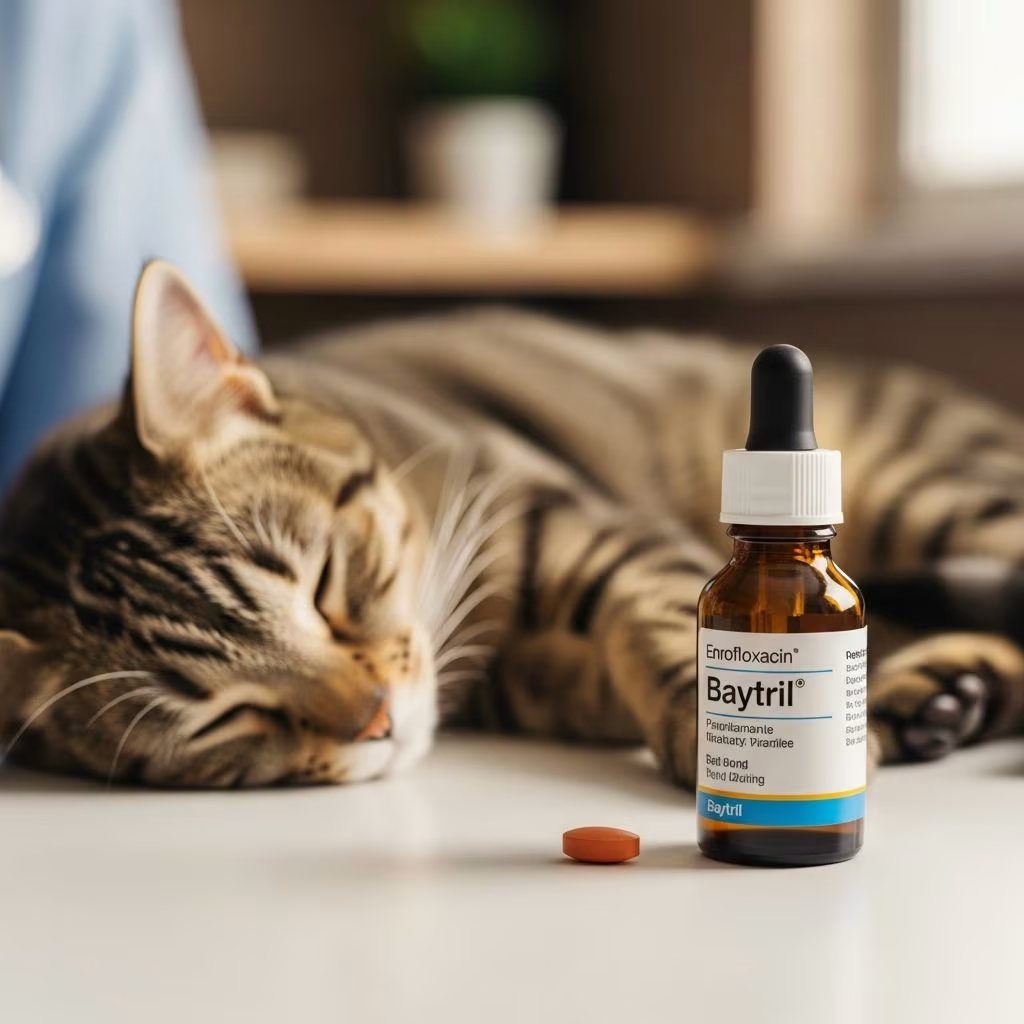
When your veterinarian prescribes enrofloxacin, commonly known by its brand name Baytril, it means your cat is dealing with a bacterial infection that requires powerful antibiotic intervention. This medication represents one of the more effective tools in veterinary medicine for combating difficult-to-treat infections in cats, particularly when standard antibiotics have proven ineffective. Understanding how this medication works, its appropriate uses, and what to expect during treatment can help you support your feline companion through their recovery journey.
What Is Enrofloxacin and How Does It Work
Enrofloxacin belongs to a class of antibiotics called fluoroquinolones, which are characterized by their broad-spectrum activity against numerous bacterial pathogens. Unlike antibiotics that target specific bacteria, fluoroquinolones work by disrupting the DNA replication process within bacterial cells, effectively preventing bacteria from multiplying and spreading throughout your cat’s body.
This medication is particularly valuable because it demonstrates exceptional effectiveness against Gram-negative bacteria, which are responsible for some of the most resistant and difficult-to-treat infections. Veterinarians typically reserve enrofloxacin for situations where other, more conventional antibiotics have either failed or are unsuitable for the specific bacterial infection identified in your cat.
The strategic use of broad-spectrum antibiotics like enrofloxacin represents an important approach to limiting antibiotic resistance, a growing concern in both human and veterinary medicine. By reserving this powerful medication for infections that other antibiotics cannot effectively treat, veterinarians help preserve its efficacy for future patients who may desperately need it.
Common Conditions Treated With Enrofloxacin in Cats
Veterinarians prescribe enrofloxacin to address a variety of bacterial infections affecting different systems within a cat’s body. The medication’s versatility makes it suitable for treating infections across multiple anatomical sites and infection types.
- Urinary tract infections: Enrofloxacin effectively treats cystitis and other urinary infections caused by susceptible bacterial strains, particularly Escherichia coli, Proteus, and Staphylococcus species
- Respiratory infections: Conditions affecting the lungs and airways respond well to enrofloxacin therapy when bacterial pathogens are involved
- Skin and wound infections: Dermal conditions, abscesses, and traumatic wounds infected with susceptible bacteria can be managed with this antibiotic
- Gastrointestinal tract infections: Alimentary infections caused by specific bacterial strains respond to enrofloxacin treatment
- Soft tissue infections: The medication penetrates tissues effectively, making it suitable for infections in various soft tissue areas
Dosage and Administration Guidelines for Feline Patients
Proper dosing is critical when administering enrofloxacin to cats, as this species requires particular attention to avoid complications. The standard dose for cats is 5 mg per kilogram of body weight once daily, though this can be adjusted based on the specific infection and veterinary assessment.
Enrofloxacin is available in multiple formulations to accommodate different treatment scenarios:
- Oral tablets: The most common form for home administration, available in various strengths to match your cat’s weight and dosage requirements
- Injectable formulations: Available for subcutaneous or intravenous administration when oral medication is not feasible
- Flavored chewable tablets: Some formulations are designed to be more palatable for cats
Your veterinarian will typically prescribe treatment for a specific duration, commonly ranging from five to fourteen days depending on the infection severity and type. It is essential to complete the entire prescribed course, even if your cat appears to improve before the medication is finished, as stopping prematurely can allow bacterial populations to rebound and develop resistance.
The medication can be administered with or without food, though some cats tolerate it better when given with meals. If your cat experiences gastrointestinal upset, offering food alongside the medication may help reduce adverse effects.
Benefits and Advantages of Enrofloxacin Therapy
Enrofloxacin offers several distinct advantages that explain why veterinarians select it for specific clinical situations:
- Broad-spectrum efficacy: The medication is effective against many bacterial species, making it valuable when culture results are pending or when infections involve multiple bacterial types
- Species-specific formulation: Unlike human fluoroquinolones such as ciprofloxacin, enrofloxacin was specifically developed for veterinary use and has been extensively studied in animals
- Good tissue penetration: The medication distributes effectively throughout the body, reaching infected tissues where other antibiotics might not achieve therapeutic concentrations
- Oral bioavailability: Cats absorb the medication well when taken by mouth, making home administration practical and effective
- Once-daily dosing: Most treatment protocols require only a single daily dose, improving compliance and reducing stress on both cat and owner
Important Safety Considerations and Precautions
While enrofloxacin is generally well-tolerated, cats require special consideration due to their unique sensitivity to certain aspects of this medication. Veterinarians must exercise caution in specific situations to prevent complications.
Kidney Function Monitoring
Cats with compromised kidney function face increased risks when taking enrofloxacin. Special caution must be exercised in felines with renal disease, and your veterinarian may recommend blood tests to monitor kidney function during treatment. This monitoring helps detect any deterioration in renal performance early in the treatment course.
Dosage Precision in Small Cats
Cats weighing less than 5 kilograms require special attention to avoid overdosage. Higher doses than recommended can cause serious complications, including retinal damage and blindness. Veterinarians often select the 25 mg/ml injectable formulation for small cats to ensure accurate dosing and prevent toxicity.
Breeding and Reproductive Status
Enrofloxacin should be used with caution in cats that are breeding, pregnant, or nursing, as the medication may affect developing kittens or pass through breast milk. Your veterinarian needs to know your cat’s reproductive status before prescribing this medication.
Allergic Reactions
Cats with documented allergies to fluoroquinolone antibiotics should not receive enrofloxacin. Discuss any known antibiotic sensitivities with your veterinarian before treatment begins.
Potential Side Effects and Adverse Reactions
Most cats tolerate enrofloxacin well, but some may experience side effects during treatment. Being aware of potential adverse reactions helps you identify problems early.
| Side Effect | Frequency | Management |
|---|---|---|
| Diarrhea or loose stools | Common | Usually resolves after treatment completion; contact vet if severe |
| Vomiting | Common | May improve by giving with food; report persistent vomiting |
| Decreased appetite | Common | Monitor intake; ensure adequate nutrition during treatment |
| Lethargy | Occasional | Expected during infection recovery; contact vet if worsening |
The gastrointestinal effects, including diarrhea, vomiting, and loss of appetite, represent the most frequently reported side effects in cats receiving enrofloxacin. These typically resolve once treatment concludes and rarely require intervention beyond supportive care.
Frequently Asked Questions About Enrofloxacin in Cats
Can enrofloxacin be used for all bacterial infections in cats?
No, enrofloxacin is reserved for specific infections where susceptible bacteria are identified or where other antibiotics have proven ineffective. Using it unnecessarily contributes to antibiotic resistance, which threatens the medication’s future availability for serious infections.
How long does treatment typically last?
Treatment duration varies depending on the infection type and severity, typically ranging from 5 to 14 days. Your veterinarian will determine the appropriate course length based on your cat’s specific condition and response to therapy.
Can I stop the medication early if my cat improves?
Never discontinue enrofloxacin before completing the prescribed course, even if your cat seems better. Stopping early can allow bacteria to rebound and develop resistance to the medication, making future infections harder to treat.
What should I do if my cat misses a dose?
If you miss a dose, administer it as soon as you remember unless it is nearly time for the next scheduled dose. Never double up on doses to compensate for a missed administration.
Are there drug interactions I should be aware of?
Some medications and supplements may interact with enrofloxacin. Always inform your veterinarian about any other medications, vitamins, or supplements your cat is taking before starting treatment.
Monitoring Your Cat During Treatment
Throughout the course of enrofloxacin therapy, observe your cat for signs of improvement or concerning symptoms. Positive indicators include decreased fever, improved appetite, increased activity levels, and resolution of infection-related signs such as difficulty urinating or respiratory distress.
Contact your veterinarian immediately if your cat develops severe vomiting, refuses food entirely, shows signs of allergic reactions (facial swelling, difficulty breathing), or exhibits any unusual behavioral changes during treatment.
Supporting Your Cat’s Recovery
While enrofloxacin works to eliminate bacterial infection, you can support your cat’s overall recovery through proper home care. Ensure your cat has access to fresh water, as adequate hydration supports kidney function and overall health. Maintain a quiet, comfortable resting area where your cat can recover undisturbed. If gastrointestinal upset occurs, consider offering smaller, more frequent meals of easily digestible food.
Keep all scheduled follow-up appointments with your veterinarian, as these visits allow assessment of treatment response and ensure your cat is improving as expected.
References
- Enrofloxacin (Baytril) for Dogs and Cats — WebMD Pets. 2024. https://www.webmd.com/pets/pet-meds/enrofloxacin-dogs-cats
- Baytril® (enrofloxacin) Antibacterial Tablets — Elanco US. 2024. https://my.elanco.com/us/baytril
- Baytril vet. Summary of Product Characteristics — VETiSearch. 2024. https://vetisearch.co.uk/spcs/41712-baytril-vet
- Enrofloxacin for Dogs and Cats — Wedgewood Pharmacy. 2024. https://www.wedgewood.com/medications/enrofloxacin/
- Enrofloxacin for Dogs and Cats — Remedy Veterinary Specialists. 2024. https://www.remedyvets.com/enrofloxacin
- Enrofloxacin — VCA Animal Hospitals. 2024. https://vcahospitals.com/know-your-pet/enrofloxacin



