

Understanding Enrichment for Shelter Cats
Shelter cats face significant stress from their confined environment, unfamiliar surroundings, and constant changes in routine. Implementing a comprehensive enrichment program is not just beneficial—it’s essential for improving the quality of life for cats in your care. Enrichment involves creating an environment that stimulates a cat’s natural behaviors, promotes mental engagement, and reduces the anxiety that commonly affects shelter animals.
By linking play, overall activity, and food together, you can enrich cats in the shelter and give them challenges that simulate their natural hunting and foraging behaviors. This approach to enrichment creates a foundation for positive behavioral change that often leads to better outcomes for both the cats and shelter staff.
Why Enrichment Matters for Shelter Cats
The first 24 hours is the most critical time for a cat entering a shelter. During this period, the ability of staff to make cats feel safe and secure can set them up for success in moving toward positive outcomes. Implementing a proper enrichment and housing program has been proven to reduce stress significantly, which in turn reduces disease, injury to staff, and makes cats more suitable candidates for adoption.
Key Benefits of Enrichment Programs
Increased Adoptions and Decreased Length of Stay: A happy and confident cat is far more likely to get adopted. By creating and reinforcing confidence in your cats, you can encourage them to engage and interact more with potential adopters. This increased engagement significantly increases the likelihood of positive interactions that lead to adoption in a more timely fashion.
Improved Health: Cats in enriched environments are much less likely to succumb to standard shelter ailments such as upper respiratory infections (URI). The mental stimulation and reduced stress associated with enrichment directly contribute to better physical health outcomes.
Increased Safety: By infusing enrichment into your routine procedures, you can greatly reduce negative interactions that may lead to staff or volunteer injuries. Cats whose basic behavioral needs are met are less likely to be reactive or aggressive in the shelter environment, creating a safer workplace for everyone.
Understanding Shelter Stressors
Before implementing enrichment strategies, it’s crucial to understand the various stressors cats experience in shelters. These include loud noises, unfamiliar environments, limited space, lack of control over their environment, and inconsistent social interaction. Awareness of these potential stressors and the ways you can alter your work habits to reduce them represents just one of many avenues of enrichment.
The key to successful enrichment is recognizing that what works for one cat may be aversive for another. Maintaining success in an enrichment program requires frequent observation of each shelter cat’s responses to different techniques and the ability and willingness to modify the enrichment plan if it proves ineffective.
Methods of Enrichment
A good enrichment program will involve several different techniques addressing each sense of the cat. This multi-sensory approach creates an environment that promotes curiosity and mental stimulation while still giving a sense of security.
Environmental Enrichment
Creating an environment abundant in “prey” items promotes a sense of security and well-being for cats, giving them passive assurance that they are in a place where it will be easy to provide for themselves. However, some cats may find it frustrating to not be able to catch the “prey,” so observation and adjustment are necessary.
Environmental enrichment can include:
- Climbing structures and vertical spaces
- Hiding spots and enclosed areas for security
- Window perches for bird watching
- Varied surfaces and textures
- Natural light and views
Sensory Enrichment
Engaging a cat’s senses is fundamental to effective enrichment. This includes providing auditory stimulation, olfactory experiences, and tactile opportunities. Different cats respond to different sensory inputs, so offering variety is essential.
Food-Based Enrichment
Food is one of the most powerful tools for enrichment. By linking play, overall activity, and food, you create challenges that simulate natural foraging behavior. Common food items used for enrichment include dry treats, dry kibble, wet food, and packaged meats.
Treats given out daily can serve as enrichment on their own. When workers and guests regularly leave valuable treats in kennels throughout the day, it promotes social and “front of kennel” behaviors while creating positive associations with human interaction.
A practical example of food enrichment during routine procedures is presenting a small tray of wet food to a cat as you begin to remove the litter box for replacement. This distracts the cat from your actions and adds a layer of positive conditioning to the overall experience.
Food Toys, Games, and Puzzles
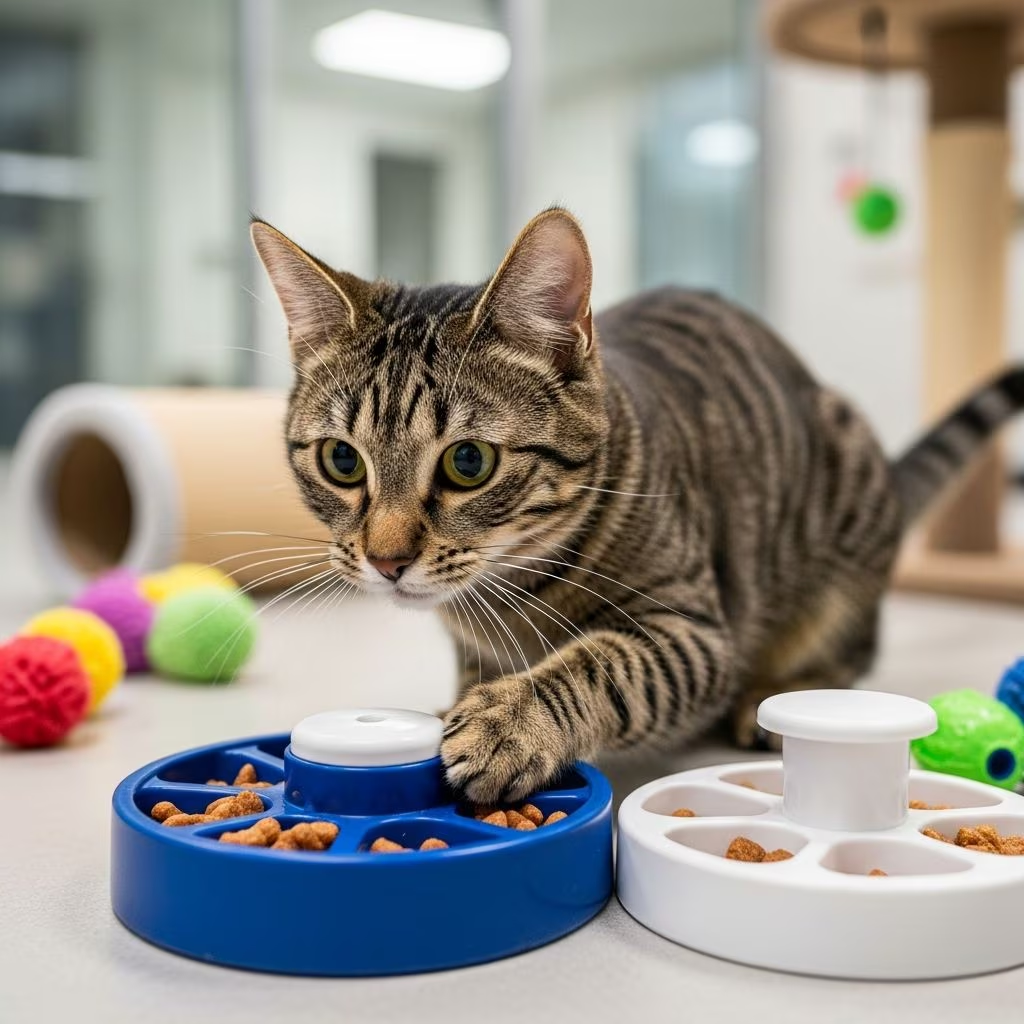
Mixing play behaviors, toys, and food together represents one of the most powerful avenues for enriching cats in shelters. Toys that challenge cats to solve a problem for a food reward keep their brains engaged and help reduce the effects of a repetitive, stagnant shelter lifestyle.
These activities can be either human-interactive or self-managed. Self-managed puzzle feeders allow cats to engage at their own pace, while interactive games provide opportunities for meaningful human connection. The variety keeps cats mentally stimulated and prevents boredom-related behavioral issues.
Types of Food Enrichment Activities
Food enrichment can take many forms. Puzzle feeders require cats to manipulate them to access food, promoting natural problem-solving. Treat balls can be filled with dry treats or kibble, rolling around as cats push them. Even simple activities like hiding treats around the kennel encourage foraging behavior and exploration.
Water enrichment is another often-overlooked opportunity. Providing fountains or running water in colony rooms encourages hydration and provides mental stimulation. Many shelters have found that cat fountains can be obtained through donations, making this an affordable enrichment option.
Social Interaction as Enrichment
While cats are often typecast as loners or solitary creatures, they are, in fact, social animals. Having human contact is a significant form of enrichment for most cats in shelters. Meaningful interactions through petting, brushing, and proximity to people can greatly improve the quality of their stay and their overall well-being.
Positive human interaction also builds confidence in shy or fearful cats. Through simple, positive training techniques, cats’ inner brilliance can shine through, making them more appealing to potential adopters. Even brief, consistent interactions can make a substantial difference in a cat’s behavior and adoptability.
Enrichment for All Cats
With so many types of enrichment available, there’s something you can offer virtually every cat. A good enrichment program will provide outlets and engage all cats in a given shelter environment, regardless of the reasons they are at the shelter.
Typically, shelters have some cats who are quarantined or isolated for medical, behavioral, or other reasons. After learning your legal limitations, assess each cat by analyzing stress levels, observing interactions with initial enrichment items offered, and then planning accordingly. Even if you cannot have direct contact with a cat, you can provide indirect environmental enrichment or access to self-interactive enrichment toys.
Implementing an Enrichment Program
Successfully implementing an enrichment program requires staff and volunteer participation. You cannot simply mandate enrichment without consulting your animal care staff and determining what works best for them and is feasible for them to execute on a daily basis.
The beauty of enrichment programs is that they can typically be successful through the use of staff and volunteers with a basic understanding of the goals and methods. Your existing team will be quite capable of implementing what they learn. Unlike behavior modification programs that often require specialist skills, enrichment is achievable for most shelter operations.
Getting Started with Enrichment
Begin by educating your team about the goals and benefits of enrichment. Involve staff in planning which enrichment methods will work best in your specific shelter environment. Consider the resources you have available, whether financial or donated items.
Ideally, time should be allocated each day to provide enrichment for each cat. Enrichment can be done once cleaning has been completed, or in some cases, even during the cleaning process itself. A great example of enrichment as part of the cleaning process is presenting food during the cleaning steps to create positive associations with cleaning for the cat.
The Critical Role of Observation and Adaptation
Regular observation of individual cats is essential for effective enrichment. Monitor which enrichment methods each cat responds to positively and which they ignore or find stressful. Some cats may become overstimulated by certain types of enrichment, while others may need more intense stimulation.
Be willing to modify your enrichment plan based on these observations. What works for one cat may not work for another, and cats’ preferences may change over time. This flexibility ensures your program remains effective and responsive to individual needs.
Frequently Asked Questions
Q: Can enrichment really improve shelter cat adoptions?
A: Yes, significantly. Happy, confident cats are much more likely to interact positively with potential adopters, leading to more adoptions in a shorter timeframe. Enrichment creates behavioral improvement that makes cats more appealing and adoptable.
Q: Is enrichment expensive to implement?
A: Not necessarily. Many enrichment items can be created inexpensively or obtained through donations. Items like puzzle feeders, treat balls, and fountains can often be donated. The most important investment is staff time and training.
Q: Can enrichment be provided for isolated or quarantined cats?
A: Yes. Even for cats with limited human contact, indirect environmental enrichment and self-interactive toys can be provided. These ensure all cats benefit from enrichment regardless of their medical or behavioral status.
Q: How often should enrichment be provided?
A: Ideally, enrichment should be provided daily as part of routine care. Many shelters incorporate enrichment into their daily cleaning and care procedures to make it a sustainable part of operations.
Q: What’s the best enrichment method?
A: The best approach combines multiple enrichment methods—environmental, sensory, food-based, play, and social interaction. Variety keeps cats mentally stimulated and accommodates different preferences among individual cats.
References
- Enrichment for Shelter Cats — Best Friends Animal Society. 2025. https://bestfriends.org/pet-care-resources/enrichment-shelter-cats
- Feline Housing and Enrichment Training Playbook — Best Friends Animal Society. 2025. https://bestfriends.org/network/resources-tools/feline-housing-and-enrichment-training-playbook
- The Best Indoor Cat Enrichment Ideas: Toys, Puzzles, and More — Best Friends Animal Society. 2025. https://bestfriends.org/pet-care-resources/best-indoor-cat-enrichment-ideas-toys-puzzles-and-more



