

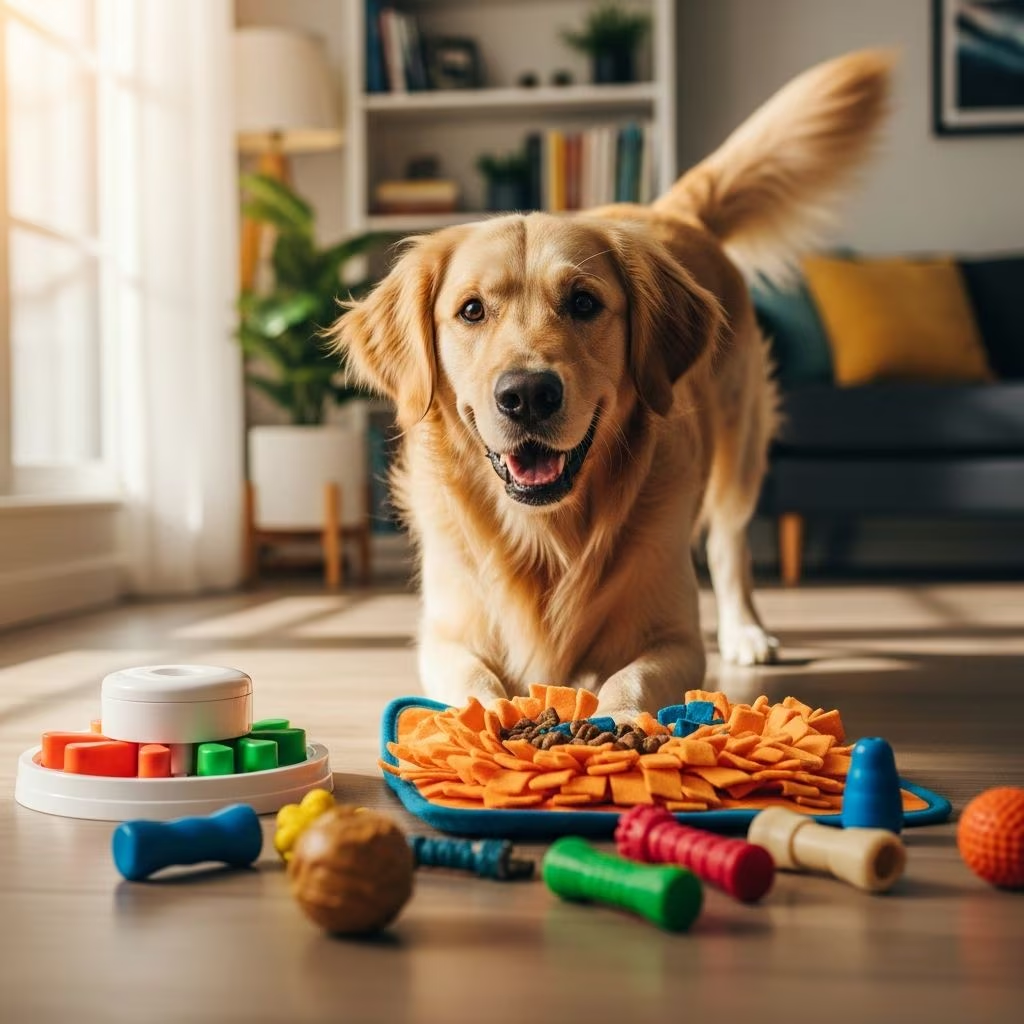
Enrichment for dogs goes beyond basic exercise, offering a pathway to a richer, more engaging life by tapping into their natural instincts and behaviors. These activities prevent boredom, reduce destructive habits, and improve overall well-being for dogs of all ages, breeds, and sizes.
What is Enrichment for Dogs?
**Enrichment** is a blend of play, toys, exercise, and mental challenges designed to make dogs’ lives more interesting and fulfilling. While physical activity is essential, many dogs lack sufficient mental stimulation, leading to boredom and unwanted behaviors like chewing furniture or excessive barking.
At its core, canine enrichment emphasizes allowing dogs to express natural behaviors such as digging, sniffing, chewing, foraging, socializing, and problem-solving. These activities mimic how dogs would spend their time in the wild, promoting mental health, releasing feel-good chemicals in the brain, and fostering a stronger bond with their owners.
Dogs require a balance of physical exercise, mental workouts, social interactions, and rest. Providing choices—such as deciding which path to take on a walk or what toy to play with—empowers them, reducing feelings of helplessness that can lead to stress or anxiety.
Safety and security are also key; create a quiet refuge spot where your dog can retreat in a busy home. Mental stimulation comes from walks, training, games, and foraging, while letting dogs “be dogs” means permitting appropriate outlets for barking, digging, or sleeping.
Enrichment Ideas for Dogs
Every dog is unique, so experiment to find what excites yours. Here are proven ideas covering mental, physical, and sensory enrichment, suitable for puppies, adults, and seniors.
1. Kong
Kongs are classic enrichment tools that challenge dogs to problem-solve for treats or kibble stuffed inside. Fill with peanut butter, yogurt, or wet food, then freeze for longer-lasting fun. This satisfies chewing instincts, provides mental exercise, and uses their mouth naturally.
For beginners, smear food on the inside; advanced users can layer ingredients. Rotate fillings to keep it novel. Kongs work for all dogs, including aggressive chewers, and can deliver a full meal slowly.
2. Nose Work
Harness your dog’s powerful sense of smell with nose work, which refines hunting and scenting skills. Start simple: hide treats around the house while your dog waits, then release them to search. Progress to outdoor scents or formal classes.
This provides intense mental enrichment and physical exercise without high impact, ideal for seniors or injured dogs. Cheering encourages enthusiasm, building confidence.
3. Fetch
Fetch builds skills, endurance, and your bond through interactive play. Use balls, discs, or soft toys in safe areas. Vary distances or add obstacles for mental challenge. It’s aerobic exercise that burns energy and teaches commands like “drop it.”
For seniors, opt for low-toss or roll games to avoid jumping.
4. Treat-Dispensing Toys
These toys release kibble or treats as dogs roll, nudge, or paw them, combining foraging with play. Examples include Kong Wobbler or Tricky Treat Ball, which develop coordination and keep dogs occupied.
Chewing and manipulating releases endorphins, reducing stress and channeling energy positively. Supervise initially to teach usage.
5. Puzzle Toys
Puzzle toys like Nina Ottosson boards hide treats under sliders, lids, or compartments, engaging noses, paws, and brains. Start easy to avoid frustration, then increase difficulty as skills grow.
Perfect for mealtime enrichment, turning dinner into a rewarding challenge that stimulates senses and instincts.
6. Tug
Tug teaches impulse control, bite inhibition, and cooperation via rules like “take it” and “drop it.” Use sturdy ropes or toys at dog level to protect joints. Sessions build trust and provide aerobic exercise.
Gentle versions suit seniors, keeping play low-impact.
7. Agility
Agility courses with tunnels, weaves, and pauses offer physical and mental workouts for any dog. Backyard setups or classes build confidence, coordination, and focus. Modify for age: skip jumps for seniors.
8. Herding and Treibball
Herding balls or treibball simulate flock-tending, engaging herding breeds or any problem-solver. Push large balls into goals for mental and physical satisfaction.
9. Training New Behaviors and Tricks
Teach “spin,” “roll over,” or “high-five” using positive reinforcement. This boosts confidence, provides mental stimulation, and strengthens your relationship. Seniors learn well with patience.
10. Games
Training games mix cues with play, like “find it” or shell games. Alternate excitement and discipline for dynamic enrichment. Include running games, Frisbee, or lure coursing for high energy.
Other Enrichment Ideas
- Snuffle Mats: Scatter food in fabric mats for foraging simulation.
- Lure Coursing: Chase mechanical lures for speed and instinct.
- Frisbee: Aerial disc chasing for athletic dogs (gentle rolls for seniors).
- Running Games: Parallel jogs or flirt poles.
- Sandbox Digging: Bury toys in a designated pit to curb garden destruction.
Enrichment for Senior Dogs
Seniors risk a “shrinking world” from reduced activity, accelerating decline. Counter with rotated toys, nose work, tricks, puzzles, massage, and gentle games like flatland fetch or agility lite.
Doga (dog yoga) or stretches improve flexibility. Consider a compatible younger foster dog for social enrichment, teaching manners while staying engaged.
| Activity | Benefits for Seniors | Tips |
|---|---|---|
| Gentle Fetch | Joint-friendly cardio | Roll balls on ground |
| Tug-of-War | Neck-safe play | At dog’s level |
| Puzzle Toys | Mental sharpness | Easy levels first |
| Nose Work | Low-impact stimulation | Hide treats nearby |
Providing Choices, Safety, and Natural Behaviors
Offer decisions on walks or toys to foster autonomy. Ensure a secure retreat space. Embrace digging (in boxes), barking (on cue), sniffing, chewing (safe items), and ample sleep.
Food puzzles, scent games, new places, and classes enrich further.
Frequently Asked Questions (FAQs)
Why is enrichment important for my dog?
Enrichment prevents boredom, reduces destructive behavior, and supports mental/physical health by fulfilling natural needs.
Can all dogs benefit from enrichment toys?
Yes, from puppies to seniors; adapt difficulty and supervise as needed.
How do I start nose work at home?
Hide treats while dog waits, release, and praise finds. Build complexity gradually.
Is agility safe for older dogs?
Yes, with modifications like no jumps and low obstacles.
What if my dog ignores new toys?
Rotate weekly for novelty, add high-value treats, or demonstrate use.
Even non-working dogs crave purpose. Enrichment ensures they thrive, avoiding self-entertaining havoc. Post-training play enhances memory retention.
References
- How to Make Your Dog’s Life Better with Canine Enrichment — Kinship. 2023. https://www.kinship.com/dog-behavior/enrichment-ideas-for-dogs
- How to Help Your Bored Senior Dog Spice Up Their Life — Kinship. 2023. https://www.kinship.com/dog-lifestyle/mental-stimulation-for-senior-dogs
- General Resources | Explore Canine Insights — A Canine Affinity. 2024. https://www.acanineaffinity.com/general-resources
- Enrichment For Dogs: It Seriously Matters — Paws & Reward. 2023. https://pawsandreward.com/episode17/



