

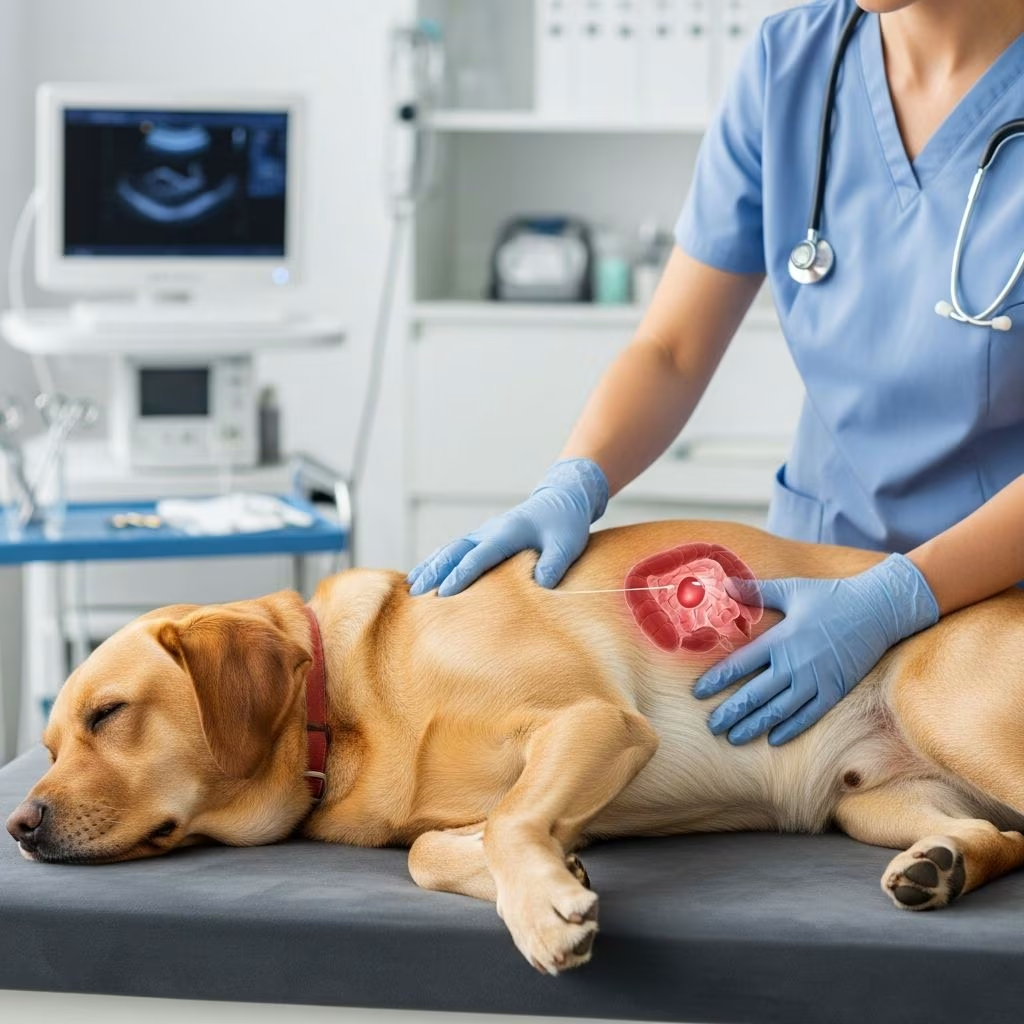
The spleen plays a vital role in a dog’s immune system and blood filtration, but when it enlarges—a condition known as splenomegaly—it can signal serious underlying issues. This guide explores the reasons behind this condition, how to spot it early, diagnostic approaches, treatment strategies, and long-term management for affected dogs.
The Essential Functions of the Canine Spleen
In dogs, the spleen is a fist-sized organ tucked near the stomach in the abdominal cavity. It acts as a blood reservoir, storing red blood cells and platelets for release during emergencies like trauma or exercise. Additionally, it filters out old or damaged blood cells and detects pathogens, mounting immune responses to infections. When overburdened or invaded by disease, the spleen swells, potentially pressing on nearby organs and risking rupture, which demands urgent care.
Primary Triggers of Splenic Enlargement
Splenomegaly arises from diverse factors, broadly categorized into neoplastic, inflammatory, congestive, and infiltrative types. Understanding these helps in pinpointing the root cause.
- Neoplastic Causes: Tumors, particularly hemangiosarcoma, are the leading culprits, accounting for many cases. These can be benign (like hematomas) or malignant, often growing rapidly and prone to bleeding.
- Inflammatory and Infectious: Bacterial, viral, fungal, or tick-borne diseases like anaplasmosis prompt the spleen to ramp up immune activity, causing reactive hyperplasia. Gut inflammations or hepatitis also contribute.
- Congestive Factors: Poor circulation from heart failure, liver disease, or splenic torsion traps blood, leading to swelling. Temporary congestion may occur post-anesthesia.
- Trauma and Other: Blunt abdominal injuries or immune-mediated conditions like IMHA (immune-mediated hemolytic anemia) destroy blood cells excessively, burdening the spleen.
These triggers often overlap, making veterinary evaluation crucial.
Recognizing the Warning Signs
Early symptoms are subtle but progress to severe indicators. Monitor for:
- Lethargy and reduced energy levels.
- Loss of appetite and unexplained weight loss.
- Vomiting or diarrhea, sometimes with blood.
- Abdominal distension or a pot-bellied appearance.
- Pale gums indicating anemia.
- Rapid heart rate, panting, or collapse in acute cases.
A ruptured spleen may cause sudden weakness, shock, and internal bleeding, necessitating immediate emergency care.
Diagnostic Pathways for Accurate Assessment
Veterinarians start with a history review and physical palpation, where a markedly enlarged spleen might be felt. Confirmatory steps include:
| Method | Purpose | Key Findings |
|---|---|---|
| Abdominal Ultrasound | Visualize spleen size, structure, masses | Detects tumors, fluid, or torsion |
| X-rays | Outline organ silhouette | Identifies enlargement or free fluid |
| Blood Work (CBC, Chemistry) | Assess anemia, infections, organ function | Low platelets, elevated white cells |
| Fine-Needle Aspirate or Biopsy | Sample cells for pathology | Benign vs. malignant confirmation |
These tools differentiate benign from cancerous growths, guiding therapy.
Treatment Approaches Tailored to the Cause
Management hinges on the diagnosis:
- Medical Therapy: Infections respond to antibiotics like doxycycline for tick diseases. Immune disorders may require steroids such as prednisone.
- Surgical Intervention: Splenectomy (spleen removal) is common for masses, ruptures, or torsion. Dogs adapt well post-surgery, though monitoring for metastasis is essential in cancer cases.
- Supportive Care: Fluids, blood transfusions for anemia, and pain relief stabilize critical patients.
Benign cases often resolve fully, while malignant ones may involve chemotherapy.
Life After Splenectomy: What Pet Owners Need to Know
Dogs without a spleen face heightened infection risks and must rely on vaccinations and preventive care. Regular check-ups monitor for complications like arrhythmias or secondary cancers. A balanced diet supports immunity, and avoiding trauma prevents issues.
Preventive Strategies and Risk Reduction
While not all cases are preventable, steps include:
- Tick preventives to avoid vector-borne illnesses.
- Heartworm testing and prompt treatment of infections.
- Supervised play to minimize injury risks.
- Annual wellness exams for early detection in breeds prone to splenic tumors, like German Shepherds.
Common Myths and Facts About Canine Splenomegaly
| Myth | Fact |
|---|---|
| All enlarged spleens are cancerous. | Many are benign; biopsy clarifies. |
| Dogs can’t live without a spleen. | They thrive post-splenectomy with care. |
| Symptoms always appear early. | Often silent until advanced or ruptured. |
Frequently Asked Questions (FAQs)
What breeds are prone to splenic tumors?
Large breeds like Golden Retrievers, Labradors, and German Shepherds have higher risks for hemangiosarcoma.
Is splenomegaly painful for dogs?
It can cause discomfort from organ pressure, but pain varies; acute rupture is intensely painful.
How much does spleen surgery cost?
Costs range widely based on location and complications; consult your vet for estimates.
Can diet influence spleen health?
Anti-inflammatory diets may support immune function, but they’re not a cure.
What’s the prognosis after splenectomy?
Benign cases: excellent; malignant: guarded, averaging 1-3 months without further treatment.
Enlarged spleen in dogs requires vigilance. Consult a vet promptly at the first sign of trouble to improve outcomes.
References
- Enlarged Spleen in Dogs: Causes, Symptoms and Treatment — Pets Best. 2023. https://www.petsbest.com/blog/enlarged-spleen-in-dogs
- Enlarged Spleen in Dogs: 7 Causes — ToeGrips. 2024-05-20. https://toegrips.com/enlarged-spleen-in-dogs/
- Enlarged Spleen in Dogs — PetMD. 2023-11-15. https://www.petmd.com/dog/conditions/cardiovascular/enlarged-spleen-dogs
- Enlarged Spleen in Dogs – PetMD — PetMD. 2024. https://www.petmd.com/dog/conditions/cardiovascular/enlarged-spleen-dogs
- Enlarged Spleen in Dogs: Causes, Signs & Treatment — Hill’s Pet. 2024. https://www.hillspet.com/dog-care/healthcare/enlarged-spleen-in-dogs
- Spleen Disease in Dogs: Causes, Symptoms & Treatment — Long Beach Animal Hospital. 2023. https://lbah.com/canine/spleen-disease-hemangiosarcoma-hematoma/



