

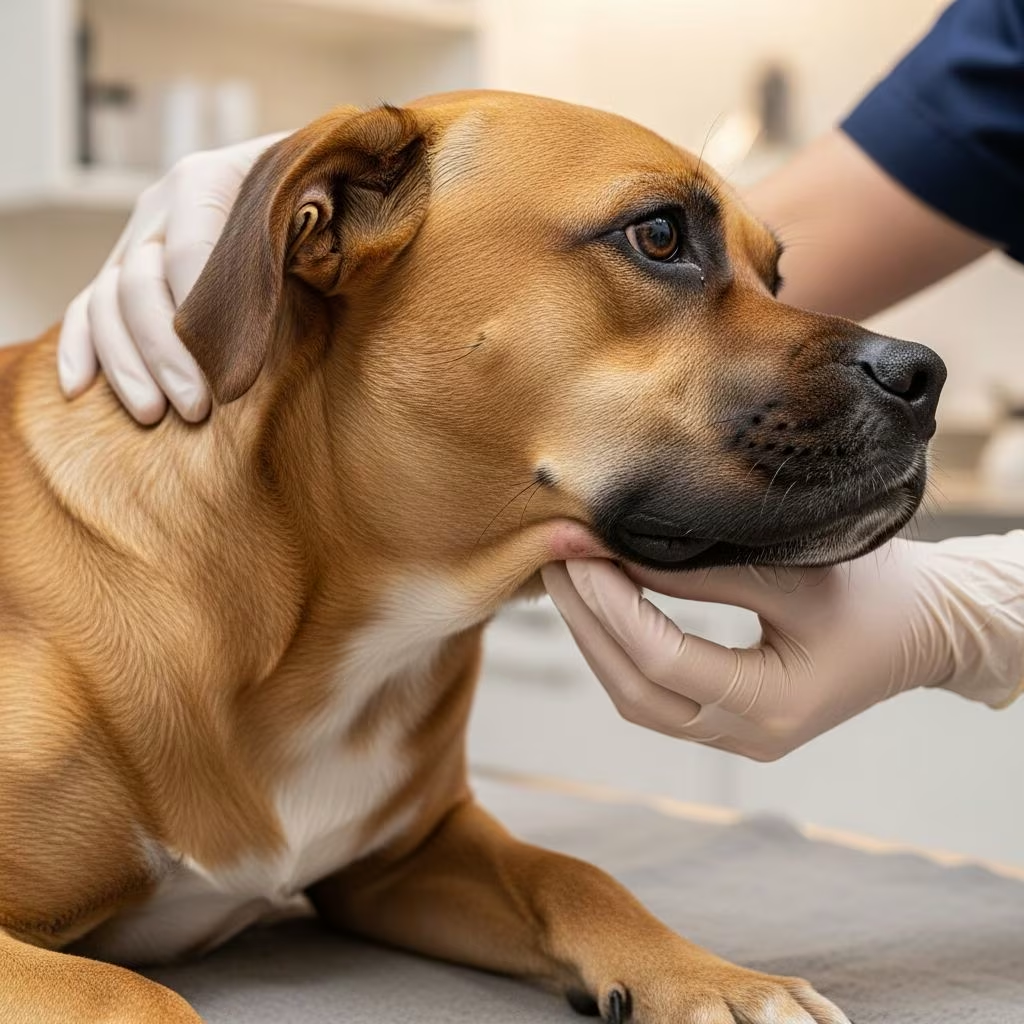
Enlarged lymph nodes, medically termed lymphadenopathy, represent a key indicator of your dog’s immune system responding to various challenges. These small, bean-shaped structures filter lymph fluid, trapping pathogens and abnormal cells. When they swell, it often signals the body fighting infections, inflammation, or more severe issues like cancer. Early detection through regular checks can lead to timely veterinary intervention, improving outcomes.
Understanding the Lymphatic System in Canines
The lymphatic system acts as a vital defense network, comprising lymph nodes, vessels, and fluid that circulates white blood cells. In dogs, prominent nodes are located under the jaw (submandibular), in front of the shoulders (prescapular), armpits (axillary), behind the knees (popliteal), and groin (inguinal). Normally pea-sized or smaller, they become palpable when enlarged, feeling firm, warm, or tender.
- Submandibular nodes: Often swell from dental or mouth issues.
- Axillary and inguinal: Linked to limb or skin problems.
- Popliteal: Respond to hind leg infections or injuries.
Swelling in isolated areas suggests local problems, while widespread enlargement points to systemic conditions.
Common Triggers for Lymph Node Enlargement
Multiple factors can provoke this response, categorized by type and severity.
Infectious Agents
Bacterial, viral, fungal, or parasitic invasions prompt rapid lymphocyte production, causing nodes to expand. Common culprits include abscesses from wounds, respiratory viruses, or tick-borne diseases like Lyme or Rocky Mountain spotted fever. Fungal infections such as blastomycosis particularly affect certain regions.
Allergic and Inflammatory Reactions
Allergies to food, pollen, fleas, or environmental irritants trigger inflammation, leading to reactive hyperplasia where nodes enlarge to process allergens.
Parasitic Infestations
Fleas, ticks, heartworms, or intestinal parasites stimulate immune activity, resulting in node swelling, especially in chronic cases.
Dental and Localized Issues
Severe gum disease or tooth abscesses frequently enlarge jaw nodes, as bacteria drain into nearby lymphatics.
Autoimmune Disorders
Conditions like rheumatoid arthritis cause the immune system to attack self-tissues, prompting chronic node enlargement.
Oncologic Causes
Cancer, notably lymphoma, infiltrates nodes directly or via metastasis. Multicentric lymphoma, common in middle-aged dogs, presents with painless, generalized swelling.
Recognizing Symptoms Beyond Swelling
While enlarged nodes are primary, accompanying signs aid in assessing urgency.
- Lethargy and reduced appetite.
- Fever, warmth over nodes.
- Weight loss or edema in limbs/face.
- Coughing or breathing difficulties (chest involvement).
- Localized pain, lameness, or skin changes.
Isolated, painful, warm nodes often indicate infection; painless, firm, multiple nodes raise cancer concerns.
Veterinary Diagnostic Approaches
Never self-diagnose; professional evaluation is essential.
- Physical Examination: Palpation checks node size, texture, and symmetry.
- Blood and Urine Tests: Detect infections, inflammation markers, or organ function.
- Imaging: Ultrasound, X-rays, or CT scans visualize internal nodes and spread.
- Cytology/Fine-Needle Aspiration: Needle extracts cells for microscopic analysis.
- Biopsy: Surgical removal for definitive histopathology, especially suspicious cases.
- Specific Tests: Tick panels, fungal cultures, or lymphoma staging.
Localized swelling may resolve with monitoring; systemic cases require thorough workup.
Treatment Strategies by Underlying Cause
Management targets the root issue, with node swelling subsiding as primary problem resolves.
| Cause | Treatments | Expected Outcome |
|---|---|---|
| Infections | Antibiotics, antifungals, antivirals | Swelling reduces in days to weeks |
| Allergies | Antihistamines, steroids, hypoallergenic diets, flea control | Improvement with allergen avoidance |
| Parasites | Dewormers, topicals, preventives | Rapid resolution post-elimination |
| Cancer (Lymphoma) | Chemotherapy (CHOP protocol), radiation, surgery | Remission in 80-90% cases initially |
| Autoimmune | Immunosuppressants like prednisone | Controlled with ongoing therapy |
Supportive care includes pain relief, fluids, and nutrition. Prognosis varies: benign causes often fully resolve; lymphoma offers months to years with treatment.
Preventive Measures for Lymphatic Health
Proactive steps reduce risks.
- Vaccinate against preventable infections.
- Use year-round parasite preventives.
- Maintain dental hygiene with brushing/chews.
- Monitor for ticks in endemic areas.
- Feed balanced diets avoiding allergens.
- Perform monthly node palpation checks.
Breeds like Golden Retrievers, Boxers, and Bulldogs face higher lymphoma risks; regular vet visits are crucial.
When to Seek Immediate Veterinary Care
Rush to the vet if nodes enlarge rapidly, multiple sites affected, or with fever, anorexia, breathing issues. These signal potential emergencies like sepsis or advanced cancer.
Frequently Asked Questions (FAQs)
Are swollen lymph nodes always cancer in dogs?
No, most cases stem from infections or inflammation; cancer is less common but requires ruling out.
How long do lymph nodes stay enlarged after infection?
Typically 1-4 weeks with treatment; persistent swelling warrants re-evaluation.
Can I feel my dog’s lymph nodes at home?
Yes, gently palpate jaw, armpits, groin; consult vet if larger than peas or firm.
Is lymphoma curable in dogs?
Not usually curative, but chemotherapy achieves long remissions with good quality of life.
Do puppies get swollen lymph nodes?
Yes, often from vaccines, infections, or rare juvenile cancers.
Long-Term Monitoring and Prognosis
Post-treatment, schedule follow-ups to track node size and symptoms. For chronic conditions, adjust therapies based on response. Owners report high satisfaction with multi-modal approaches, emphasizing quality over quantity of life.
This guide equips you to navigate lymphadenopathy confidently, prioritizing veterinary partnership for your dog’s well-being.
References
- Swollen Lymph Nodes in Dogs: Causes and Treatment — Chewy. 2023. https://www.chewy.com/education/dog/health-and-wellness/swollen-lymph-nodes-in-dogs
- Swollen Lymph Nodes in Dogs: Common Causes and Treatment — PetMD. 2024-01-15. https://www.petmd.com/dog/symptoms/swollen-lymph-nodes-in-dogs
- Lymphoma in Dogs — VCA Animal Hospitals. 2023. https://vcahospitals.com/know-your-pet/lymphoma-in-dogs
- Swollen Lymph Nodes (Lymphadenopathy) in Dogs — Vetster. 2024. https://vetster.com/en/symptoms/dog/swollen-lymph-nodes-lymphadenopathy-in-dogs
- Canine Lymphoma Research — Purdue University College of Veterinary Medicine. 2023. https://vet.purdue.edu/wcorc/cancer-research/canine-lymphoma-research.php



