

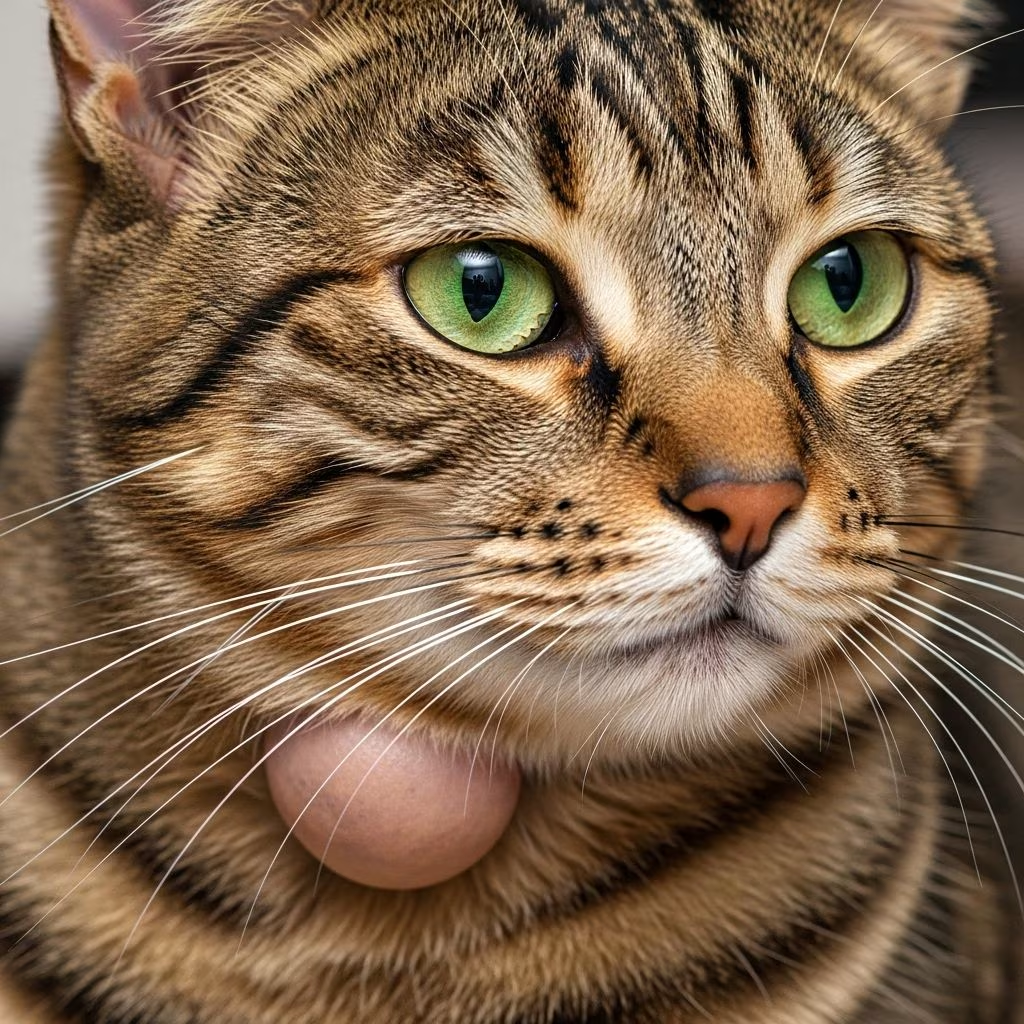
Lymph nodes, small bean-shaped structures throughout a cat’s body, play a critical role in the immune system by filtering lymph fluid and combating infections. When these nodes enlarge, known as lymphadenopathy, it often indicates the body is fighting an underlying issue, ranging from minor infections to serious diseases like cancer. Early recognition by cat owners can lead to prompt veterinary intervention, improving outcomes significantly.
The Feline Lymphatic System Explained
The lymphatic system in cats mirrors that in humans, comprising lymph nodes, vessels, and organs like the spleen. These nodes are stationed in key areas: under the jaw, in the neck, armpits, groin, and behind the knees. They trap pathogens and produce immune cells to neutralize threats. Swelling occurs when nodes ramp up activity, becoming palpable as firm lumps under the skin.
Peripheral nodes, such as those in the neck and groin, are easiest to feel during grooming or petting. Internal nodes, like mesenteric ones in the abdomen, may not be noticeable without imaging. Understanding this network helps owners monitor changes effectively.
Common Triggers for Lymph Node Enlargement
Enlargement stems from diverse causes, primarily infections, inflammation, or neoplasia. Bacterial agents like Pasteurella and Bartonella often provoke acute responses, leading to painful, abscess-forming nodes. Viral culprits include feline leukemia virus (FeLV) and feline immunodeficiency virus (FIV), which cause chronic swelling through immune suppression.
Fungal infections, though rarer indoors, and parasites like toxoplasma contribute similarly. Non-infectious factors encompass allergies, vaccine reactions, and autoimmune disorders. Cancer, especially lymphoma—a malignancy of lymphocytes—is prevalent in cats, often presenting with multicentric node involvement.
- Infectious causes: Bacteria (e.g., Yersinia pestis in plague), viruses (FIP coronavirus), fungi, protozoa.
- Neoplastic causes: Lymphoma, metastatic cancers infiltrating nodes.
- Reactive causes: Inflammation from dental disease, allergies, or trauma.
Recognizing the Signs in Your Cat
Symptoms vary by cause and location but commonly include palpable lumps, especially under the chin or in armpits. Affected cats often show lethargy, appetite loss, and weight decline. Fever, vomiting, diarrhea, or respiratory distress signal systemic involvement.
Neck node swelling may hinder swallowing, causing drooling or refusal to eat. Pain on palpation leads to sensitivity or excessive grooming. In cancer cases, progressive weakness, labored breathing, or swollen limbs emerge. Owners should note changes in behavior, like hiding or reduced playfulness.
| Symptom | Possible Indication | Urgency |
|---|---|---|
| Firm lumps under skin | Infection or cancer | High |
| Lethargy, poor appetite | Systemic illness | High |
| Fever, weight loss | Chronic disease | Immediate |
| Difficulty swallowing | Neck node involvement | Immediate |
| Draining tracts | Abscess from bacteria | Immediate |
When to Seek Veterinary Help Immediately
Not all swellings are alarming, but rapid growth, multiple sites, or accompanying illness demands urgent care. Cats with known FeLV/FIV status or outdoor exposure face higher risks. Delaying can allow infections to abscess or cancers to metastasize.
A baseline vet check includes palpation; owners can gently feel nodes weekly, noting size changes. If nodes exceed pea-sized or persist beyond two weeks, schedule an exam.
Diagnostic Approaches for Accurate Assessment
Veterinarians start with history, physical exam, and bloodwork to check white cell counts and organ function. Fine-needle aspiration cytology examines cells for infection or malignancy. Imaging like ultrasound or radiographs reveals internal nodes.
- Blood tests: CBC for anemia, FeLV/FIV snaps.
- Biopsy: Gold standard for cancer confirmation.
- Cultures: Identify bacteria/fungi.
Advanced cases may require flow cytometry or PCR for viruses. Differential diagnosis rules out abscesses versus lymphoma.
Treatment Strategies Tailored to the Cause
Therapy targets the root issue. Antibiotics like amoxicillin combat bacteria; antivirals manage FIV/FeLV supportively. Fungal cases need antifungals like fluconazole. Abscesses require drainage and flushing.
Cancer treatments include chemotherapy protocols with drugs like vincristine, yielding remission in 50-70% of lymphoma cases. Corticosteroids reduce inflammation in autoimmune or allergic responses. Supportive care—fluids, nutrition, pain relief—bolsters recovery.
| Cause | Treatments |
|---|---|
| Bacterial infection | Antibiotics, drainage |
| Viral (FeLV/FIV) | Supportive, antivirals |
| Lymphoma | Chemotherapy, steroids |
| Fungal | Antifungals |
Supporting Your Cat at Home During Recovery
Home care enhances outcomes: provide quiet spaces, palatable food, and hydration. Monitor nodes daily, administer meds precisely, and track appetite/weight. Appetite stimulants like mirtazapine aid eating. Prevent stress to support immunity.
Weight management and gentle exercise maintain strength. Isolate from other pets if contagious.
Preventive Measures to Safeguard Lymphatic Health
Vaccinations against FeLV and core diseases reduce risks. Flea/tick preventives avert vector-borne illnesses. Regular dental care prevents oral infections spreading to nodes. Indoor living minimizes exposures; annual checkups enable early detection.
Nutrition with omega-3s bolsters immunity. Spay/neuter lowers certain cancer risks.
Prognosis: Factors Influencing Long-Term Outcomes
Prognosis hinges on cause: infections often resolve fully with treatment, while lymphoma varies—median survival post-chemo is 6-12 months, longer with early intervention. Chronic viral cases focus on quality life via palliation.
Age, overall health, and response speed key determinants. Many cats regain normalcy post-treatment.
Frequently Asked Questions (FAQs)
Q: Can I feel my cat’s lymph nodes normally?
A: Yes, small, soft nodes under jaw or legs are typical; firm, enlarged ones warrant a vet visit.
Q: Is swollen lymph nodes always cancer?
A: No, infections cause most cases, but diagnostics distinguish from neoplasia.
Q: How quickly does treatment work?
A: Infections improve in days; cancer management is ongoing.
Q: Should I massage swollen nodes?
A: Avoid; it may cause pain or spread infection—let vets handle.
Q: Can diet prevent this?
A: Balanced nutrition supports immunity but doesn’t eliminate risks.
References
- Swollen Lymph Nodes in Cats: 5 Essential Medications to Know — The Pet Vet. 2023. https://thepetvet.com/swollen-lymph-nodes-in-cats/
- Lymph Node Inflammation in Cats – Symptoms, Causes, Diagnosis — WagWalking. 2024. https://wagwalking.com/cat/condition/lymph-node-inflammation
- Lymphadenopathy in Cats: Causes, Symptoms, and Treatment — PetCareRx. 2023-10-15. https://www.petcarerx.com/article/lymphadenopathy-in-cats-causes-symptoms-and-treatment/6812
- Lymph Node Inflammation (Lymphadenitis) in Cats — PetMD. 2024. https://www.petmd.com/cat/conditions/endocrine/c_ct_lymphadenitis
- The Feline Lymphatic System: Understanding Cat Lymph Nodes — ImpriMed. 2023. https://www.imprimedicine.com/blog/cat-lymph-nodes
- Swollen lymph nodes in cats — Fetch Pet Insurance. 2024. https://www.fetchpet.com/the-dig/cats-swollen-lymph-nodes



