

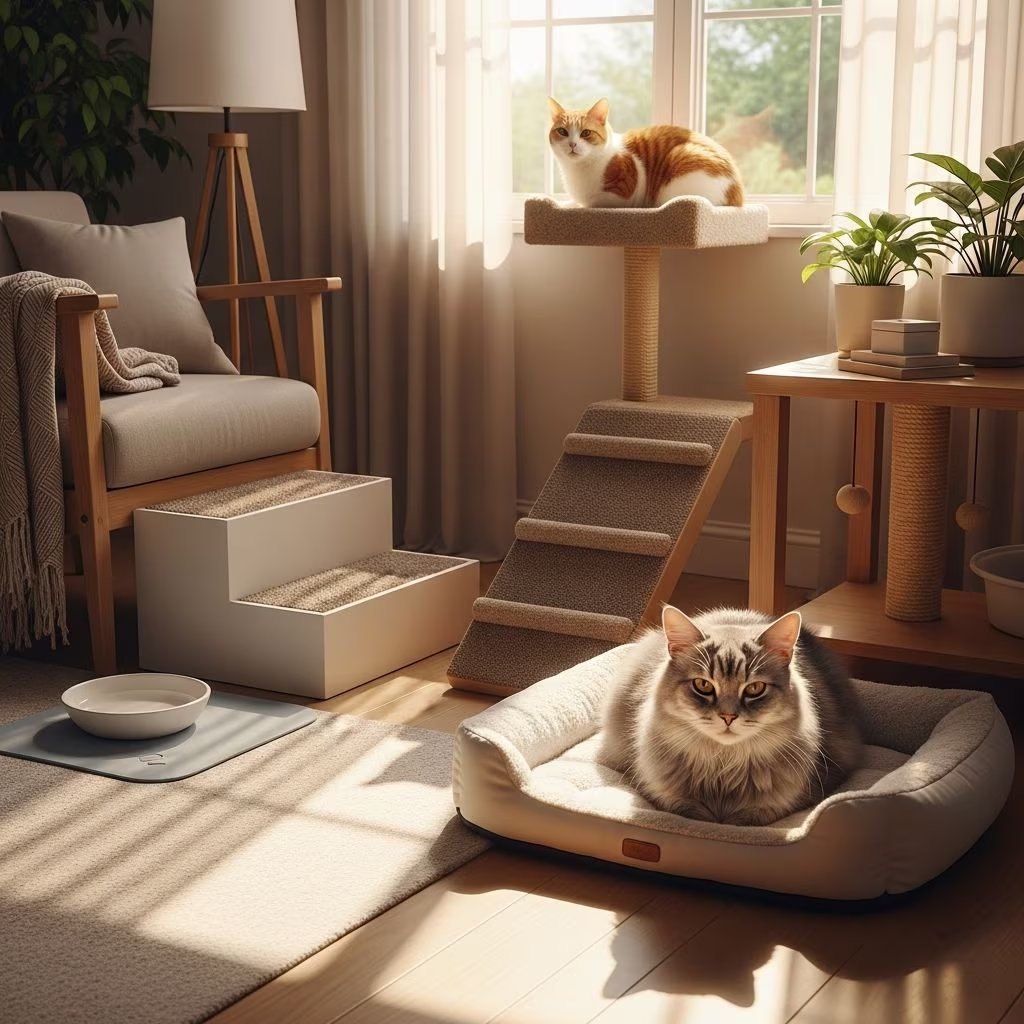
As cats reach their golden years, typically starting around age 7 to 10, their physical abilities often decline, making everyday tasks challenging. Arthritis, reduced vision, hearing loss, and kidney issues become common, necessitating thoughtful home adjustments to maintain their independence and well-being. These modifications not only alleviate discomfort but also promote mental stimulation and physical activity, extending their healthy lifespan.
Understanding the Aging Process in Cats
Senior cats, defined as those over 10 years by many veterinary standards, experience gradual changes in metabolism, joint health, and sensory functions. Mobility decreases due to arthritis, affecting up to 90% of cats over 12 years old, while cognitive decline can lead to disorientation. Regular vet visits every 6 months are crucial for early detection, including blood work and urinalysis to monitor kidney function and overall health[10]. Home environments must evolve to support these shifts, prioritizing accessibility and safety.
Key Mobility Solutions for Arthritic Cats
Joint stiffness makes jumping and climbing difficult, so introducing supportive tools is essential. Ramps and pet stairs provide gradual inclines to favorite spots like beds, windowsills, or couches, reducing strain on hips and knees. Opt for non-slip surfaces covered with carpet remnants for better traction.
- Low-profile ramps: Ideal for sofas or beds, with gentle slopes under 30 degrees.
- Stair aids: Multi-step versions for taller furniture, padded for comfort.
- Window perch ramps: Allow safe bird-watching without leaps.
Horizontal scratching posts at ground level accommodate weakened claws, preventing overgrowth that can cause pain. Trim nails bi-weekly if your cat avoids self-maintenance. Covering slick floors with rugs or yoga mats prevents slips, fostering confidence in movement.
Optimizing Litter Box Accessibility
Senior cats with arthritis or incontinence struggle with high-sided boxes. Switch to low-entry designs (under 4 inches high) placed on every floor near sleeping areas. Multiple boxes reduce travel distance, minimizing accidents.
| Litter Box Type | Best For | Key Features |
|---|---|---|
| Open low-entry | Arthritic cats | Shallow sides, spacious interior |
| Covered low-door | Privacy seekers | Easy flip-top access, odor control |
| Senior-specific | Mobility impaired | Ramped entry, soft litter compatible |
Scoop daily to appeal to finicky seniors, who may avoid soiled boxes, exacerbating urinary issues. Clumping, dust-free litter supports paw sensitivity.
Comfortable Resting and Sleeping Areas
Orthopedic memory foam beds contour to aching joints, distributing weight evenly. Heated options soothe arthritis on cold days, but use low-voltage pads with timers. Elevate beds slightly off floors to deter drafts.
- Place beds in quiet, low-traffic zones for undisturbed rest.
- Choose washable covers for hygiene amid reduced grooming ability.
- Add ramps for raised platforms mimicking former high perches.
Daily brushing prevents mats, as seniors groom less effectively. Hypoallergenic wipes clean hindquarters post-litter use.
Nutrition and Hydration Strategies
Senior diets emphasize high-quality protein for muscle maintenance, reduced calories to combat obesity, and added fiber for digestion. Feed smaller, frequent meals (3-4 daily) to ease gut burden.
Hydration is critical, as kidney disease risk rises; cats over 10 often drink less. Multiple fresh water stations, changed twice daily, encourage intake. Circulating fountains mimic running water appeal, while wet food boosts moisture.
- Stainless steel or ceramic bowls resist bacteria.
- Flavor enhancers like tuna juice in water.
- Ground-level feeding stations avoid jumps.
Reducing Stress and Promoting Activity
Maintaining routines for meals, play, and sleep stabilizes seniors prone to anxiety. Interactive toys and laser pointers keep minds sharp without high exertion. Vertical space via wall shelves with ramps supports territorial instincts.
Safe retreats like enclosed dens offer escape during visitors. Pheromone diffusers calm nerves. Dental health via vet cleanings and treats prevents pain-induced withdrawal.
Safety Modifications Around the Home
Dim lighting aids vision loss; night-lights guide paths. Secure loose wires and low shelves to prevent falls. Baby gates confine to safe zones if wandering increases.
- Non-slip mats in tubs if bathing needed.
- Label food bowls if multi-pet homes.
- Monitor weight weekly for health trends.
Vaccinations and flea control remain vital, alongside nail trims.
Veterinary Wellness Checklists
Bi-annual exams track changes; request senior panels for thyroid, kidney, and diabetes screening.
| Age Group | Visit Frequency | Core Tests |
|---|---|---|
| 10-15 years | Every 6 months | Bloodwork, urinalysis |
| Over 15 years | Every 4 months | Plus X-rays if needed |
Common Senior Cat Health Challenges
Hyperthyroidism, chronic kidney disease, and hypertension affect many. Symptoms include weight loss, increased thirst, and lethargy. Early intervention via diet and meds improves outcomes.
FAQs
When should I start senior cat modifications?
Around age 7-10, or at first mobility signs. Consult your vet for tailored advice.
Are heated beds safe for senior cats?
Yes, with auto-shutoff and low heat (under 110°F) to avoid burns.
How often to clean water bowls?
Twice daily refresh, weekly deep clean.
Best litter for seniors?
Soft, low-dust clumping for joint comfort.
Can supplements help joints?
Omega-3s and glucosamine, vet-approved only.
References
- Tips to Keep Your Senior Cat Healthy — Small Door Veterinary. 2023. https://www.smalldoorvet.com/learning-center/seniors/keep-senior-cat-healthy
- Senior Cat Care — Westwood Veterinary Hospital. 2024. https://www.westwoodvethospital.ca/pet-care/cat-services/senior-care-for-cats
- Top 10 Senior Cat Health Tips — Hill’s Pet. 2023. https://www.hillspet.ca/en-ca/cat-care/routine-care/senior-cat-healthcare-tips
- The Complete Guide to Senior Cat Care — Bone & Biscuit. 2024. https://boneandbiscuit.ca/the-complete-guide-to-senior-cat-care-products-and-tips-for-aging-cats/
- Updated Senior Care Guidelines — American Association of Feline Practitioners (via catvets.com). 2023. https://catvets.com/updated-senior-care-guidelines/
- Senior Cat Care – Special Considerations — VCA Canada Animal Hospitals. 2024. https://vcacanada.com/know-your-pet/cat-care
- Complete Cat Health Guide for Every Life Stage — PetMD. 2024. https://www.petmd.com/cat/general-health/complete-cat-health-guide-every-life-stage



