
Enhancing Kibble: Natural Additions for Optimal Canine Nutrition
Transform your dog's dry food diet with science-backed nutritional enhancements
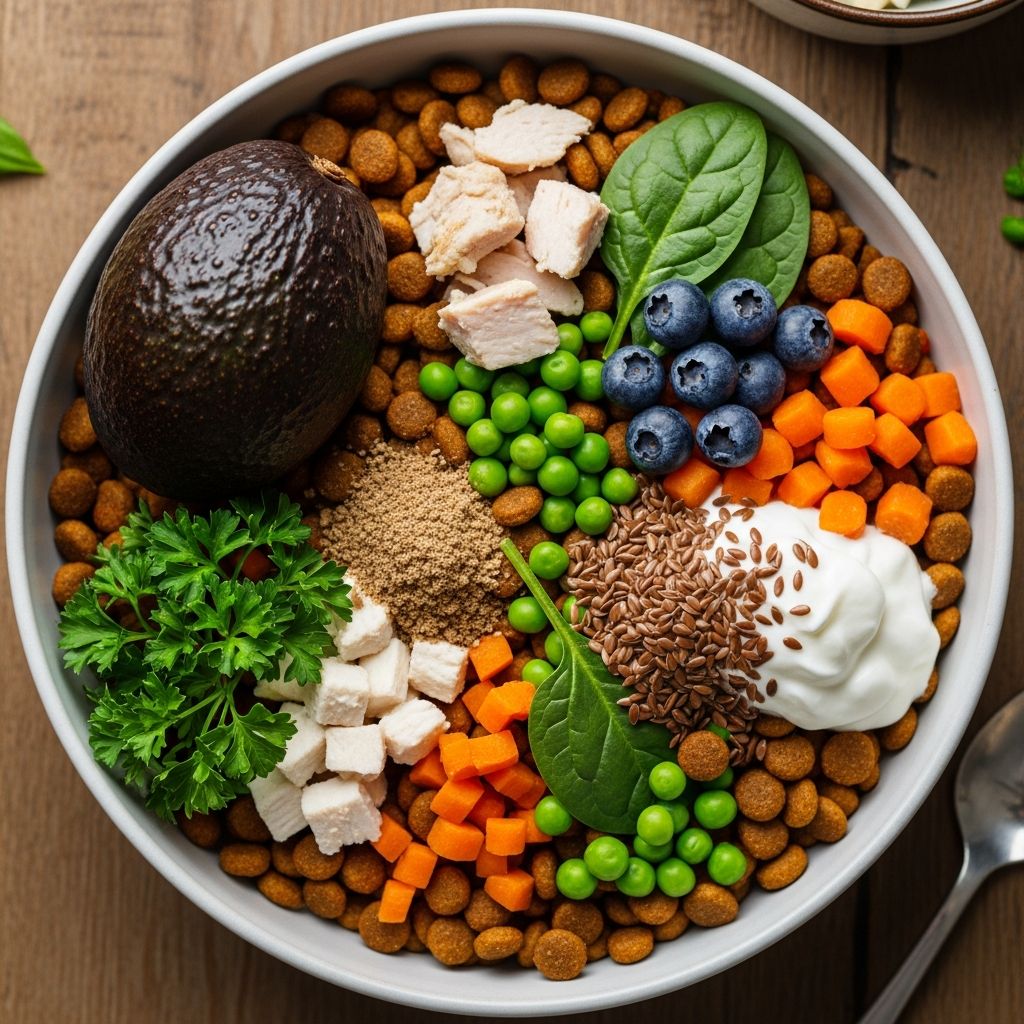
Commercial dry dog food offers convenience and consistency, yet many pet owners wonder whether their dogs receive adequate nutrition from kibble alone. The reality is that while complete and balanced dry foods provide essential nutrients, the highly processed nature of kibble presents an opportunity for enhancement through carefully selected whole food additions.
Unlike fresh diets or raw feeding approaches, kibble-enhanced feeding bridges the gap between convenience and nutritional optimization. This approach allows dog owners to maintain the practicality of dry food while introducing nutrient-dense whole foods that complement and elevate the baseline nutrition their dogs receive. Understanding which additions are safe, appropriate, and beneficial is essential for any pet owner considering this strategy.
Why Kibble Benefits from Strategic Enhancements
Dry dog food undergoes extensive processing to achieve its shelf-stable form. During the extrusion process required to create kibble, high carbohydrate content becomes necessary for structural integrity. This processing method, while preserving convenience and safety, means that kibble tends to contain elevated carbohydrate levels that exceed dogs’ actual nutritional requirements.
Dogs have minimal physiological need for carbohydrates compared to their requirements for animal-based proteins and fats. This fundamental nutritional reality suggests that strategic additions of whole foods—particularly those rich in animal protein—can help rebalance the macronutrient profile of a kibble-based diet. By introducing nutrient-dense whole foods, owners can address potential nutritional gaps and provide their dogs with a more diverse array of bioavailable nutrients.
The processed nature of kibble also means that some heat-sensitive nutrients may be partially degraded during manufacturing. Fresh food additions help restore nutritional complexity and provide enzymes and cofactors that may be reduced through high-heat processing.
Fundamental Guidelines for Safe Food Additions
Before introducing any supplemental foods to your dog’s diet, several important principles should guide your decisions:
- Maintain Dietary Balance: Additions should represent no more than 25% of your dog’s total daily caloric intake. Exceeding this threshold risks disrupting the carefully formulated nutritional balance of your dog’s primary food without proper compensatory adjustments.
- Consult Your Veterinarian: Before implementing dietary changes, especially for dogs with existing health conditions or those receiving prescription diets, professional guidance ensures compatibility with your dog’s individual needs.
- Introduce Gradually: New foods should be introduced slowly over several days to allow your dog’s digestive system to adapt and to identify any potential sensitivities or adverse reactions.
- Prioritize Food Safety: All fresh foods must be handled properly, stored appropriately, and used before expiration dates to minimize foodborne illness risk.
- Avoid Toxic Substances: Certain foods are fundamentally unsafe for dogs regardless of preparation method, including chocolate, garlic, onions, grapes, raisins, and avocado.
Protein-Rich Additions: Building Blocks for Canine Health
The Versatility of Eggs
Eggs represent one of the most accessible and nutrient-dense additions to kibble-based diets. These complete protein sources contain all essential amino acids alongside bioavailable vitamins and minerals. Dogs tolerate eggs in multiple preparations: raw (shell included for added calcium), soft-boiled, hard-boiled, or lightly scrambled.
The practical approach involves sizing portions appropriately for body weight. Dogs weighing 40 pounds or more can accommodate a whole egg daily, while those between 20 and 40 pounds should receive approximately half an egg, with proportionally smaller amounts for smaller breeds. This straightforward addition immediately increases dietary protein quality and provides selenium, B vitamins, vitamin D, and other essential micronutrients.
The yolk’s biotin content compensates for any enzymatic effects from raw egg whites, making whole raw eggs a viable option despite historical concerns about raw egg consumption in dogs.
Muscle and Organ Meats
Beyond commercial kibble’s base protein, supplemental meat additions provide concentrated animal protein alongside diverse micronutrients. Chicken, turkey, and lean beef can be introduced either raw or gently cooked in small chunks that prevent choking hazards. Ground meat formats offer convenient portioning options.
Organ meats deserve special consideration due to their nutrient density, though selection requires understanding your dog’s existing diet. While liver and other organ tissues contain valuable nutrition, many commercial kibbles already exceed optimal copper levels, making fresh liver supplementation potentially counterproductive and increasing copper storage disease risk.
Fish-Based Supplements
Canned fish products offer exceptional value in kibble enhancement due to their omega-3 fatty acid content. Sardines, jack mackerel, and pink salmon—preferably packed in water rather than oil—provide EPA and DHA at significant concentrations. A single small sardine delivers 100 to 150 mg of these beneficial omega-3 polyunsaturated fats.
The appropriate daily intake of omega-3 fatty acids ranges from 3 to 10 mg per pound of body weight, making fish additions a practical method for ensuring adequate intake of these nutrients that support cognitive function, coat health, and inflammatory management.
Fish also provides trace minerals and micronutrients that complement kibble-based diets while introducing beneficial dietary diversity. The naturally occurring fish oils support absorption of fat-soluble vitamins and contribute to skin and coat condition improvements that many dog owners notice within weeks of introducing fish additions.
Fermented Foods and Digestive Support
Probiotics Through Yogurt and Kefir
Fermented dairy products offer a dual benefit: they provide beneficial live microorganisms that support healthy gut flora while also contributing protein, calcium, and other nutrients. Homemade or commercially manufactured yogurt and kefir with added probiotic cultures—specifically formulated without sugar or xylitol (which is toxic to dogs)—can help dogs experiencing digestive irregularities.
The live microorganisms classified as probiotics represent valuable alternatives for supporting digestive health and potentially reducing antibiotic dependency in situations where dysbiosis occurs. Whole-milk versions are appropriate unless your dog requires a low-fat diet for specific health reasons.
These fermented additions work synergistically with kibble by introducing beneficial bacteria that establish healthy intestinal populations, potentially improving nutrient absorption from the base diet and enhancing immune function concentrated in the gastrointestinal tract.
Micronutrient Enhancement Considerations
Understanding Nutritional Adequacy
Complete and balanced commercial dog foods contain all necessary vitamins and minerals for general canine health, meaning that additional supplementation is not universally necessary for dogs consuming adequate quantities of quality kibble. However, strategic additions of whole foods provide micronutrients in more bioavailable forms alongside beneficial compounds absent in processed foods.
By-products in commercial pet foods often face unfair criticism despite their nutritional contributions. These ingredients represent rich sources of essential nutrients including protein, fat, vitamins, and minerals that play critical physiological roles. The nutritional value of any diet depends more on the specific nutrients provided than on the ingredient names alone.
Trace Minerals and Bioavailability
Fish additions deliver trace minerals and naturally occurring compounds that support optimal physiological function. The bioavailability of minerals from whole foods often exceeds that of synthetic supplements added to commercial formulations, meaning that modest whole food additions can meaningfully improve the micronutrient profile of a kibble-based diet.
What to Avoid: Unsafe Additions and Harmful Ingredients
Not all food additions improve canine health. Pet owners should consciously avoid several categories of ingredients when enhancing kibble:
- Toxic Foods: Chocolate, garlic, onions, leeks, grapes, raisins, and avocado pose inherent toxicity risks regardless of quantity.
- Harmful Additives: Avoid products containing artificial dyes, artificial flavors, corn syrup, meat meal from questionable sources, unhealthy fat sources, and xylitol (a sugar substitute highly toxic to dogs).
- Problematic Preservatives: Minimize exposure to nitrates, MSG, excess sodium, BHA, BHT, and other synthetic preservatives that provide questionable long-term safety profiles.
- Inappropriate Plant Foods: While whole grains provide valuable nutrients including vitamins, minerals, and fiber, adding excessive grains or legumes further increases carbohydrate levels without providing the animal protein that dogs require.
Regulatory Framework and Safety Standards
Pet food additives operate under regulatory frameworks designed to ensure safety. In the European Union and other regions, nutritional and functional additives are regulated through rigorous legislation requiring safety assessment before market approval. Nutritional additives deliver vitamins, amino acids, and trace elements essential for bodily function, while functional (or technological) additives include preservatives, antioxidants, and stabilizers that maintain food quality and safety over extended storage periods.
The FDA and similar regulatory bodies in other countries maintain oversight of pet food manufacturing and ingredient safety, ensuring that commercial formulations meet stringent standards. This regulatory environment means that kibble itself already represents a heavily vetted nutritional product, and careful additions of whole foods layer additional nutritional benefit over an already-adequate foundation.
Practical Implementation Strategy
Successfully enhancing your dog’s kibble diet follows a structured approach:
- Begin with your dog’s baseline diet, confirming it is complete and balanced and appropriate for your dog’s life stage and health status.
- Identify which additions align with your dog’s individual needs, preferences, and any existing health conditions.
- Introduce new additions one at a time, with a 3-5 day observation period between introductions to identify any adverse reactions.
- Start with small quantities, gradually increasing to appropriate serving sizes while monitoring digestive health and overall condition.
- Maintain the 25% addition threshold to preserve nutritional balance.
- Rotate additions periodically to provide diverse nutrient sources and prevent potential sensitivities from developing.
Frequently Asked Questions
Can I add raw foods to kibble without risks?
Raw foods can be safely added when handled properly with attention to expiration dates and appropriate storage. However, raw meats should be consumed promptly and stored separately from other foods to minimize cross-contamination risks. Raw eggs are safe for dogs despite historical concerns about salmonella, as the yolk’s biotin content compensates for enzyme effects in raw whites.
How much can I supplement without unbalancing the diet?
Additions should not exceed 25% of total daily calories. Exceeding this threshold risks disrupting the nutritional balance of the commercial food without proper compensatory adjustments. Consult your veterinarian regarding specific quantities for your individual dog.
Are commercial additives and preservatives inherently harmful?
Not all additives are problematic. Regulatory frameworks ensure that additives meet safety standards before approval. However, some artificial preservatives and colorants remain controversial regarding long-term effects, making natural preservation methods and additive-conscious products appealing alternatives for some owners.
Will adding whole foods upset my dog’s digestion?
Gradual introduction minimizes digestive upset. Starting with small quantities and increasing over several days allows the digestive system to adapt. Most dogs tolerate well-planned additions without issue, though individual sensitivities may require adjustments.
The Path Forward: Optimizing Kibble-Based Nutrition
Kibble enhancement represents a practical middle ground between convenience and nutritional optimization. By understanding your dog’s baseline nutritional requirements, selecting appropriate whole food additions, and maintaining dietary balance, you can meaningfully improve your dog’s nutrition without abandoning the practical benefits of dry food feeding.
The key to successful kibble enhancement lies in informed decision-making, gradual implementation, and ongoing veterinary oversight. This approach respects the science behind commercial pet food formulation while leveraging the bioavailable nutrients and enzymatic benefits that whole foods provide. For most dogs, modest, strategic additions of eggs, fish, and fermented dairy products can transform kibble from adequate nutrition into optimized feeding that supports long-term health and vitality.
References
- Benefits of Additives in Pet Food — Purina Europe. 2024. https://www.purina.eu/contact-us/faq/ingredients/benefits-of-additives
- Dog Food Additives: 11 Ways to Improve Your Dog’s Kibble — Life Extension. 2024. https://www.lifeextension.com/wellness/pet-health/dog-food-additives
- 10 Healthy Dog Food Additives to Improve a Dry Food Diet — Whole Dog Journal. 2024. https://www.whole-dog-journal.com/food/10-healthy-dog-food-additives/
- The Truth About Additives in Pet Food: What You Need to Know — FitBark. 2024. https://www.fitbark.com/blog/the-truth-about-additives-in-pet-food-what-you-need-to-know/
- Essential Dog Food Ingredients for Healthy Dogs — American Kennel Club. 2024. https://www.akc.org/expert-advice/nutrition/essential-dog-food-ingredients-for-healthy-dogs/
- Additives in Pet Food: Are They Safe? — PubMed/National Center for Biotechnology Information. 2021. https://pubmed.ncbi.nlm.nih.gov/34109637/
- Additives in Pet Food — FEDIAF (European Pet Food Industry). 2024. https://europeanpetfood.org/pet-food-facts/fact-sheets/nutrition/additives/
- Nutritional Benefits of By-Products — VCA Animal Hospitals. 2024. https://vcahospitals.com/know-your-pet/nutritional-benefits-of-by-products
- The Benefits of Proper Nutrition — PetMD. 2024. https://www.petmd.com/dog/nutrition/evr_dg_the_benefits_of_proper_nutrition
Similar Articles








Read full bio of Sneha Tete




