

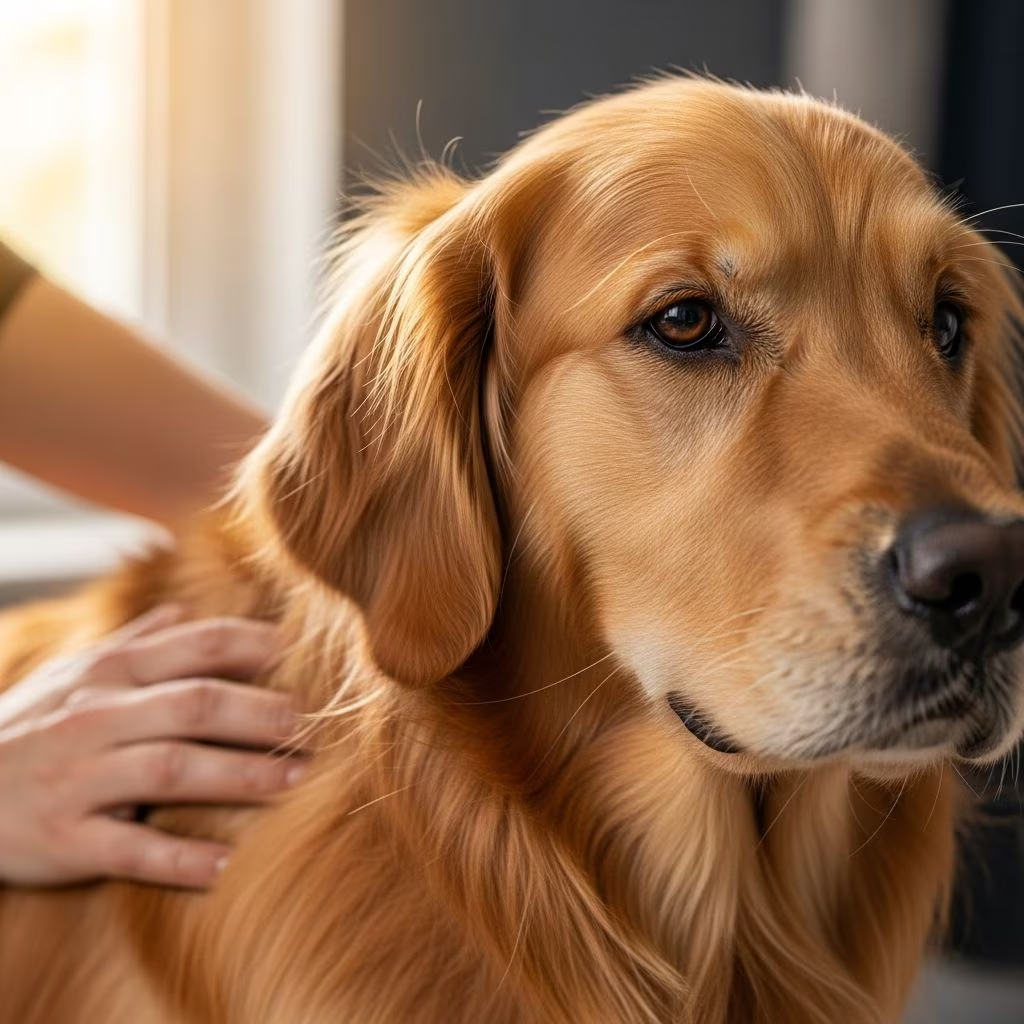
A vibrant, glossy coat and smooth skin are hallmarks of a thriving dog. These features not only enhance appearance but also signal robust overall health, serving roles in temperature regulation, immune defense, and protection from environmental stressors. Dull fur, excessive shedding, or persistent itching often point to underlying issues like nutritional gaps, parasites, or improper care. By focusing on targeted strategies, pet owners can transform their dog’s exterior while supporting internal vitality.
Understanding the Foundations of Canine Skin and Coat
The canine skin acts as the body’s largest organ, comprising cell membranes that require flexibility from essential fatty acids. A healthy coat insulates against cold, cools during heat, and blocks pathogens. Proteins form the building blocks of hair, while omega-3 fatty acids like EPA and DHA reduce inflammation and promote shine. Deficiencies in these nutrients can lead to dry, brittle fur or inflamed skin, emphasizing the need for comprehensive care.
Nutrition as the Cornerstone of Lustrous Fur
Superior diet forms the bedrock for impeccable skin and coat. High-quality proteins from sources like chicken, fish, lamb, or beef fuel skin cell renewal and hair growth, as hair is predominantly protein-based. Opt for commercial foods or home-prepared meals avoiding low-grade fats such as generic animal fats or plant oils, which fail to deliver optimal benefits.
Balanced diets with elevated total fat content yield shinier coats, per research observations. Incorporate natural treats like raw carrots for dental health and added nutrients. If the base diet lacks variety, symptoms like lackluster fur may emerge, signaling a need for nutrient-dense upgrades.
| Nutrient | Role in Skin/Coat | Food Sources |
|---|---|---|
| High-Quality Protein | Supports hair growth and skin repair | Chicken, fish, beef, lamb |
| Omega-3 Fatty Acids | Reduces inflammation, adds shine | Salmon oil, wild-caught fish |
| Vitamins & Minerals | Enhances immunity and flexibility | Flaxseed, carrots, balanced kibble |
Harnessing the Power of Omega Fatty Acids
Omega-3 and omega-6 fatty acids are indispensable for maintaining equilibrium in inflammation levels, crucial for skin health. Commercial foods often skew high in omega-6, potentially sparking irritation, while omega-3 shortages manifest as dryness or itchiness. Supplementation with fresh sources like wild-caught Alaskan salmon or pollock oil delivers potent EPA and DHA, fostering nourished skin and glossy fur.
These fats also aid joint mobility, heart function, and mood enhancement. Veterinarians recommend precise dosing to avoid digestive upset, ensuring plant-based omegas are avoided as they prove ineffective for dogs. Products like salmon oil stand out for their purity and efficacy.
Establishing an Effective Grooming Routine
Consistent grooming stimulates blood flow, exfoliates dead cells, and evenly spreads natural oils across the coat. Brushing suits all coat lengths: short-haired dogs benefit from reduced shedding, while long-haired ones avoid mats. Frequency varies—daily for dense fur, weekly for smooth coats.
- Use slicker brushes for tangles in medium to long coats.
- Shedding blades excel for undercoats in double-coated breeds.
- Always brush in growth direction to prevent irritation.
Post-brush inspections reveal parasites or lumps early. Spray-on detanglers, applied to clean fur, repel dirt and prolong grooming benefits.
Mastering the Art of Bathing
Bathing frequency balances cleanliness with oil preservation. Active or outdoor dogs may need monthly washes, while indoor companions suffice every 3 months. Over-bathing strips protective sebum, causing dryness; under-bathing allows dirt buildup.
Select hypoallergenic, moisturizing shampoos free of fragrances. Oatmeal-based formulas soothe allergies and itch, leveraging anti-inflammatory traits. Follow with conditioner, thorough rinsing, and towel drying using shammies. For post-bath care, lightweight sprays maintain hydration.
Shielding from Parasites and External Threats
Fleas, ticks, and mites provoke scratching that damages coat integrity and invites infections. Vigilant prevention via vet-approved treatments, alongside up-to-date vaccinations, fortifies defenses. Regular checks during grooming catch infestations promptly.
Environmental allergens or harsh weather exacerbate issues; protective topcoats during winter preserve insulation.
Advanced Remedies and Home Solutions
Oatmeal baths offer relief for mild irritations, calming skin without veterinary intervention. Vitamin E and biotin in treats bolster resilience. For persistent concerns, consult professionals to rule out allergies or diseases.
Frequently Asked Questions
How often should I bathe my dog for optimal coat health?
Most dogs thrive with baths every 1-3 months, adjusting for lifestyle and coat type to preserve natural oils.
Can supplements really improve my dog’s fur shine?
Yes, omega-3 supplements from fish sources enhance luster and reduce inflammation when dosed correctly under vet guidance.
What diet changes signal better skin health?
Shifting to high-protein, omega-rich foods often yields visible improvements in weeks, with less itching and glossier fur.
Is brushing necessary for short-haired dogs?
Absolutely— it distributes oils, cuts shedding, and promotes circulation regardless of coat length.
When should I see a vet for coat issues?
If problems persist beyond routine care, like ongoing bald patches or severe itching, professional evaluation is essential.
Integrating Care for Long-Term Results
Combine nutrition, grooming, bathing, supplements, and prevention for synergistic effects. Monitor changes monthly, adapting as your dog ages or activity shifts. This holistic approach not only beautifies but elevates quality of life, warding off chronic conditions.
References
- Simple Ways to Keep Your Dog’s Coat Shiny & Healthy — PetVet Care Centers. 2022-09-30. https://www.petvetcarecenters.com/site/blog/2022/09/30/keep-dogs-coat-shiny-healthy
- How To Improve Your Dog’s Coat, Condition & Skin — Pooch & Mutt. N/A. https://www.poochandmutt.co.uk/blogs/supplements/how-to-improve-dogs-coat-condition-skin
- 10 Steps to Healthy Skin and a Silky Coat for Your Dog — Whole Dog Journal. N/A. https://www.whole-dog-journal.com/health/10-steps-to-healthy-skin-and-a-silky-coat-for-your-dog/
- The Two Most Important Ways to Support Dogs’ Skin & Coat Health — Dogswell. N/A. https://dogswell.com/the-two-most-important-ways-to-support-dogs-skin-coat-health/
- The Importance of Your Pet’s Skin and Coat and the Role of Nutrition — VCA Animal Hospitals. N/A. https://vcahospitals.com/know-your-pet/the-importance-of-your-pets-skin-and-coat-and-the-role-of-diet
- Can I change my pet’s diet to improve skin and coat health? — Tufts University Cummings School of Veterinary Medicine. 2019-09-17. https://sites.tufts.edu/petfoodology/2019/09/17/can-i-change-my-pets-diet-to-improve-skin-and-coat-health/
- 8 Vet-Approved Home Remedies for Your Dog — PetMD. N/A. https://www.petmd.com/dog/general-health/home-remedies-for-dogs



