Enhancing Comfort for Aging Canines
Discover practical strategies to ensure your senior dog enjoys a comfortable, joyful life in their golden years with tailored care tips.

As dogs enter their senior years, typically around age 7 for most breeds, their physical and emotional needs evolve significantly. Providing targeted comfort measures can dramatically improve their daily experience, helping them remain active, pain-free, and content. This guide explores comprehensive strategies drawn from veterinary expertise to support your aging companion’s well-being.
Understanding the Aging Process in Dogs
Senior dogs undergo metabolic slowdowns, reduced energy, and heightened vulnerability to conditions like arthritis and cognitive decline. Early recognition of these changes allows pet owners to implement supportive interventions proactively. Regular observation of subtle shifts in behavior, mobility, or appetite is crucial for timely adjustments.
- Physical signs: Stiffness upon rising, reluctance to jump, or slower movements indicate joint issues.
- Behavioral cues: Increased sleeping, confusion, or anxiety may signal cognitive or sensory decline.
- Health markers: Weight fluctuations or changes in water intake warrant professional evaluation.
Maintaining a consistent routine fosters security, reducing stress that exacerbates age-related discomfort.
Optimizing the Home Environment for Mobility
Transforming living spaces minimizes physical strain and prevents injuries. Simple modifications make navigation easier for dogs with weakened joints or vision.
| Modification | Benefits | Implementation Tips |
|---|---|---|
| Orthopedic foam beds | Supports joints, reduces pressure points | Place in multiple rooms, especially on hard floors |
| Non-slip rugs or mats | Prevents slips on tile or wood | Use in high-traffic areas like kitchens and hallways |
| Ramps or pet stairs | Aids access to furniture or cars without jumping | Choose lightweight, carpeted models for grip |
| Elevated food/water bowls | Reduces neck strain during meals | Adjust height to dog’s standing posture |
These adaptations, recommended by veterinary hospitals, significantly enhance daily comfort and independence.
Prioritizing Routine Health Monitoring
Frequent veterinary visits are foundational for comfort. Seniors benefit from biannual exams including bloodwork, urinalysis, and dental assessments to detect issues like kidney disease or infections early.
- Blood panels track organ function and anemia.
- Imaging or X-rays identify hidden arthritis or tumors.
- Dental cleanings alleviate pain from plaque buildup.
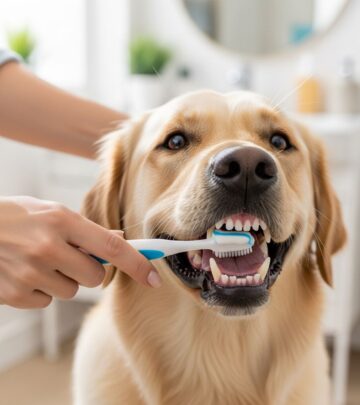
At-home checks for nails, ears, skin lumps, and teeth complement professional care, catching problems before they worsen.
Tailored Nutrition for Vitality and Ease
Aging metabolisms demand calorie-controlled diets rich in high-quality proteins, fiber, antioxidants, and joint nutrients like glucosamine and omega-3s. These formulations support digestion, immune function, and mobility while preventing obesity.
Feed smaller, frequent meals to accommodate reduced stomach capacity and improve nutrient absorption. Always provide fresh water to aid kidney health. Consult a vet before switching foods to match specific health needs.
- Key ingredients: Lean proteins, probiotics for gut health, glucosamine for cartilage repair.
- Avoid: Table scraps or excessive treats that contribute to weight gain and joint stress.
Gentle Exercise Regimens for Joint Health
Low-impact activities preserve muscle tone, circulation, and mental sharpness without overexertion. Aim for short sessions tailored to your dog’s stamina.
- Daily 10-15 minute walks on soft surfaces.
- Swimming or hydrotherapy for weightless joint relief.
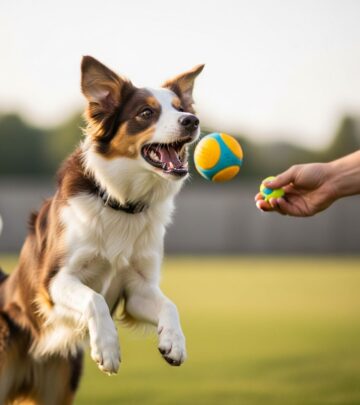
- Indoor games like gentle fetch with soft toys.
- Stretching routines guided by a vet or therapist.
Monitor for fatigue signs like heavy panting or limping, and incorporate rest periods. Exercise combats stiffness and obesity, core comfort killers in seniors.
Preserving Cognitive and Emotional Wellness
Mental engagement prevents boredom and decline. Interactive puzzles, scent games, and training refreshers keep minds agile.
- Use treat-dispensing toys for problem-solving.
- Maintain social outings to stimulate senses.
- Practice basic cues to build confidence.
Emotional comfort stems from predictability: fixed feeding, potty, and sleep schedules lower anxiety. Extra cuddles and a quiet retreat space soothe age-related sensitivities.
Managing Sensory and Temperature Sensitivities
Declining vision, hearing, or coat insulation makes seniors prone to discomfort from extremes. Keep indoor temperatures moderate (68-78°F), using fans, AC, or heaters as needed.
- Dog coats or sweaters for chilly days.
- Extra blankets in beds during winter.
- Avoid direct sun or drafts; provide shaded outdoor spots.
Scent markers or bells on collars aid navigation for the visually impaired.
Advanced Comfort Through Supplements and Therapies
Vet-approved supplements like fish oil, turmeric, or CBD can reduce inflammation. Acupuncture, massage, or laser therapy offer drug-free pain relief. Always integrate under professional guidance to avoid interactions.
Monitoring Quality of Life Indicators
Assess comfort regularly using scales that evaluate eating, mobility, joy in activities, and pain levels. Tools from AAHA guidelines help decide when interventions suffice or if end-of-life planning is needed.
Frequently Asked Questions
When does a dog become a senior?
Generally at 7 years, though small breeds may enter later (around 9-10 years).
How often should senior dogs visit the vet?
Every 6 months for comprehensive wellness checks.
What diet is best for older dogs?
Senior formulas with joint support, digestible proteins, and controlled calories.
Can senior dogs still exercise?
Yes, with gentle, short activities like walking or swimming to maintain mobility.
How do I help my dog’s arthritis?
Use orthopedic aids, supplements, weight management, and vet-prescribed pain relief.
What home changes improve senior dog comfort?
Ramps, supportive beds, non-slip surfaces, and elevated bowls.
Implementing these strategies holistically ensures your senior dog experiences comfort and joy. Patience, observation, and veterinary partnership are key to their golden years.
References
- Ultimate Guide to Senior Dog Care: All Pet Parent Should Know — Park Grove Pet Hospital. 2025-09-10. https://www.parkgrovepethospital.com/senior-dog-care-guide/
- 6 Ways to Care for Your Senior Dog — American Kennel Club. n.d. https://www.akc.org/expert-advice/health/ways-to-care-for-old-dog/
- How to Care for Senior Dogs: Keep Them Healthy and Happy — Fox Creek Veterinary Hospital. n.d. https://www.foxcreekveterinaryhospital.com/caring-for-senior-dogs-essential-tips-for-a-healthy-and-happy-life/
- Aging Gracefully: A Complete Guide to Senior Pet Care — Oakhurst Veterinary Hospital. 2025-06-13. https://www.oakhurstvetcenter.com/senior-pet-care-guide/
- How to Care For Your Senior Dog — PetMD. n.d. https://www.petmd.com/dog/general-health/how-to-care-for-senior-dog
- Senior Dog Care Guide — Good Dog Veterinary Care. n.d. https://www.gooddogveterinarycare.com/blog/senior-dog-care-guide
- 2023 AAHA Senior Care Guidelines for Dogs and Cats — American Animal Hospital Association. 2023. https://www.aaha.org/wp-content/uploads/globalassets/02-guidelines/2023-aaha-senior-care-guidelines-for-dogs-and-cats/resources/2023-aaha-senior-care-guidelines-for-dogs-and-cats.pdf
Similar Articles








Read full bio of Sneha Tete