

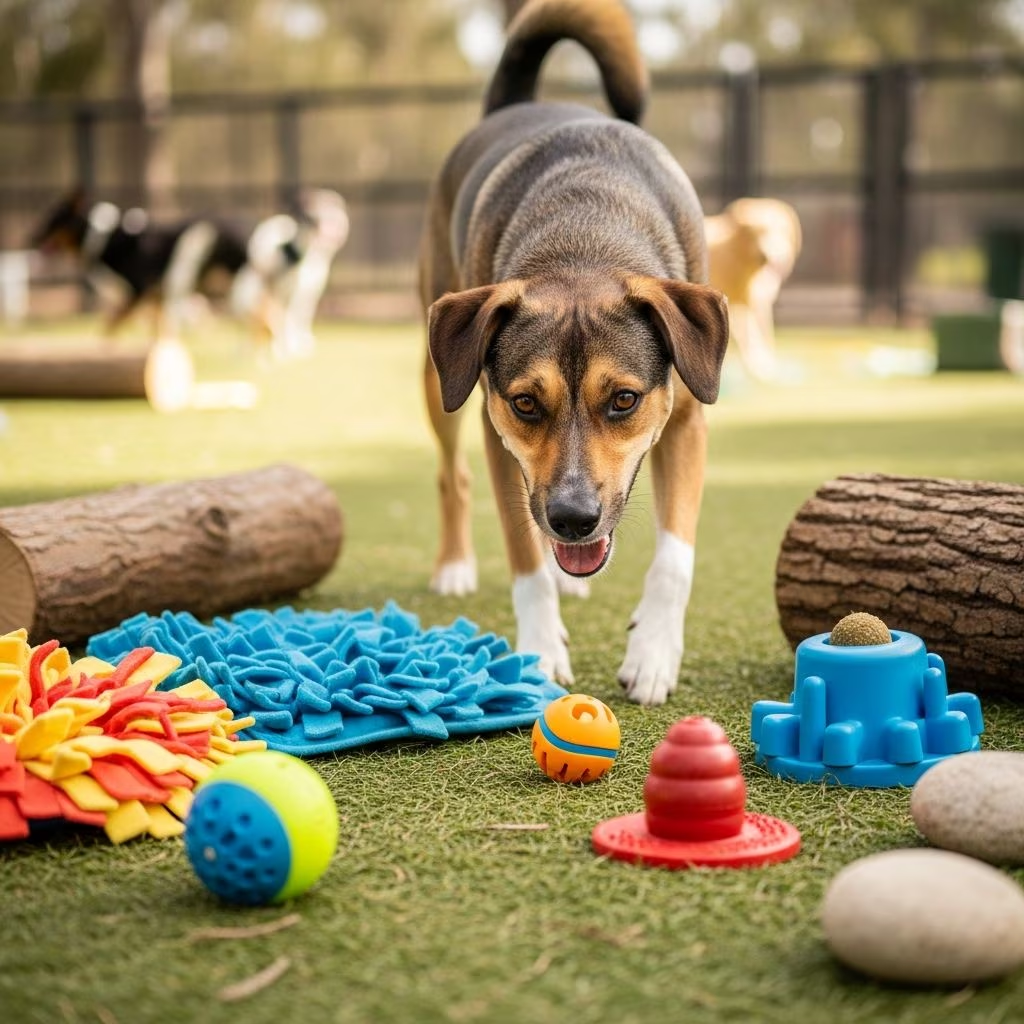
Dog enrichment involves providing stimulating experiences that mimic natural behaviors, promoting physical fitness, mental sharpness, and emotional balance in pets. These activities address innate needs like foraging, exploring, and socializing, leading to healthier, happier dogs.
Why Enrichment Transforms Dog Well-Being
Enrichment goes beyond basic care by fulfilling a dog’s instinctual drives, resulting in measurable improvements across multiple health dimensions. Research demonstrates that targeted activities lower cortisol levels and diminish stress-related behaviors in kenneled and home environments.
Key advantages include reduced anxiety through sensory engagement like sniffing and licking, which activate calming physiological responses. Owners report fewer instances of destructive chewing or excessive barking when dogs receive consistent mental challenges, as these outlets prevent boredom-induced frustration.
Physically, enrichment supports weight management and muscle tone via dynamic play, while cognitively, it sharpens problem-solving skills and may slow age-related decline. Stronger human-animal bonds emerge from joint activities, fostering trust and clear communication.
Fundamental Categories of Canine Enrichment
Experts categorize enrichment into core areas, allowing owners to create balanced routines tailored to their dog’s breed, age, and energy level. Integrating several types ensures comprehensive stimulation without overwhelming the pet.
Physical Activities for Vitality and Strength
Physical enrichment emphasizes movement to build endurance, coordination, and overall fitness. Daily walks, fetch sessions, or tug-of-war games expend energy effectively, reducing restlessness.
- Flirt poles: A lure on a string prompts chasing and pouncing, ideal for high-energy breeds.
- Swimming or agility courses: Low-impact options that enhance joint health and speed.
- Hiking trails: Varied terrain challenges balance and exposes dogs to new scents.
These pursuits not only maintain ideal body weight but also release endorphins for mood elevation.
Sensory Stimulation to Awaken Instincts
Dogs perceive the world primarily through smell, sight, sound, and touch; sensory enrichment leverages this by introducing novel stimuli. Bubble machines, textured tunnels, or wind chimes engage multiple senses simultaneously.
- Nosework games: Hide treats in boxes to tap into superior olfactory abilities.
- Calming music or nature sounds: Reduces heart rate during alone time.
- Scent trails: Drag a treat along the ground for tracking practice.
Such experiences alleviate anxiety, particularly for shelter dogs or those in novel settings.
Nutritional Challenges for Smarter Eating
Transform mealtimes into brain workouts with foraging tools that slow consumption and encourage natural hunting behaviors. Puzzle feeders and scatter feeding prevent gulping, aiding digestion.
| Tool | Description | Benefits |
|---|---|---|
| Snuffle mats | Fabric with hidden pockets for kibble | Promotes sniffing, reduces stress |
| Lick mats | Silicone surface spread with spreads | Calms during thunderstorms |
| Puzzle toys | Compartments requiring manipulation | Boosts cognition, per Ohio State studies |
These methods extend eating time, enhancing satisfaction and mental engagement.
Cognitive and Occupational Tasks
Assigning ‘jobs’ fulfills working instincts in breeds like herders or retrievers. Training tricks, scent discrimination, or dig pits provide purpose and accomplishment.
- Hide-and-seek with toys: Builds memory and focus.
- Dog sports: Agility or flyball for competitive outlets.
- Interactive apps: Touchscreen games for tech-savvy pups.
Purdue University research highlights how these combat boredom and channel energy productively.
Social Interactions for Emotional Growth
Socialization prevents fearfulness and aggression by exposing dogs to peers and people in controlled settings. Playgroups or park visits teach boundaries and build confidence.
- Supervised doggy playdates: Monitors compatible pairings.
- Pet-friendly outings: Breweries or beaches for people-watching.
- Group classes: Obedience or therapy training.
Social contact yields greater behavioral improvements than toys alone, per studies.
Implementing Enrichment into Daily Routines
Start small to avoid overstimulation: Rotate activities weekly to maintain novelty. Puppies benefit from short, frequent sessions; seniors from low-impact options like gentle sniffing walks.
Track progress with a journal noting energy levels, appetite, and demeanor changes. Adjust based on responses—energetic dogs may need more physical input, anxious ones sensory focus.
Age-Specific Enrichment Strategies
| Life Stage | Recommended Focus | Example Activities |
|---|---|---|
| Puppy | Socialization, basic training | Puppy classes, short nosework |
| Adult | Balanced mix | Agility, puzzle feeders |
| Senior | Gentle sensory, cognitive | Lick mats, window perches |
Tailoring prevents injury and maximizes engagement.
DIY Enrichment on a Budget
No fancy gear required: Cardboard boxes stuffed with towels and treats serve as puzzles. Frozen broth in ice cube trays mimics licking prey. Outdoor sniffari walks cost nothing but time.
- TP roll dispensers: Stuff with kibble for rolling fun.
- Muffin tin games: Cover treats with balls.
- Flavor rotations: Add safe herbs to toys.
Scientific Evidence Supporting Enrichment
A pilot study in Applied Animal Behaviour Science found toys and interactions significantly cut stress in kenneled dogs. Similarly, environmental enrichment reduces stereotypies and boosts relaxation, with social elements proving most impactful.
Longitudinal observations confirm fewer abnormal behaviors and lower cortisol with multi-faceted programs. Veterinary centers like Ohio State endorse puzzle toys for exercise and bark reduction.
Common Pitfalls and Pro Tips
Avoid overwhelming dogs with too many novelties at once, which can spike anxiety. Supervise new items to prevent ingestion hazards. Consistency trumps intensity—10 minutes daily outperforms sporadic marathons.
Pro tips: Match activities to breed traits (e.g., dig pits for terriers), incorporate during transitions like crate time, and pair with positive reinforcement.
Frequently Asked Questions
What if my dog ignores new toys?
Introduce gradually with high-value treats; demonstrate use yourself. Persistence builds interest over days.
Can enrichment help separation anxiety?
Yes, stuffed Kongs or long-lasting chews distract and soothe during absences.
How much enrichment is enough?
Aim for 20-60 minutes daily, split across types, adjusted for lifestyle.
Is enrichment suitable for all dogs?
Absolutely, with modifications for health issues—consult vets for tailored plans.
What are quick wins for busy owners?
Scatter feeding during walks or lick mats post-meals.
References
- Dog Enrichment: What It Is, Benefits, and Activity Ideas — PetSuites of America. 2023. https://www.petsuitesofamerica.com/blog/what-is-dog-enrichment
- Benefits of Enrichment on a Dog’s Physical and Mental Well-Being — Pawz n Dogz. 2024. https://pawzndogz.ca/blogs/news/benefits-of-enrichment-on-a-dog-s-physical-and-mental-well-being
- 5 Types of Dog Enrichment & Their Benefits — Outward Hound. 2023. https://outwardhound.com/furtropolis/health-wellness/5-types-of-dog-enrichment
- Effects of Environmental Enrichment on Dog Behaviour: Pilot Study — PMC (NCBI). 2022-01-05. https://pmc.ncbi.nlm.nih.gov/articles/PMC8772568/
- Healthy Minds, Happy Pets: The Benefits of Pet Enrichment — HP Animal Hospital. 2024. https://www.hpanimalhospital.com/services/blog/healthy-minds-happy-pets-benefits-pet-enrichment



