

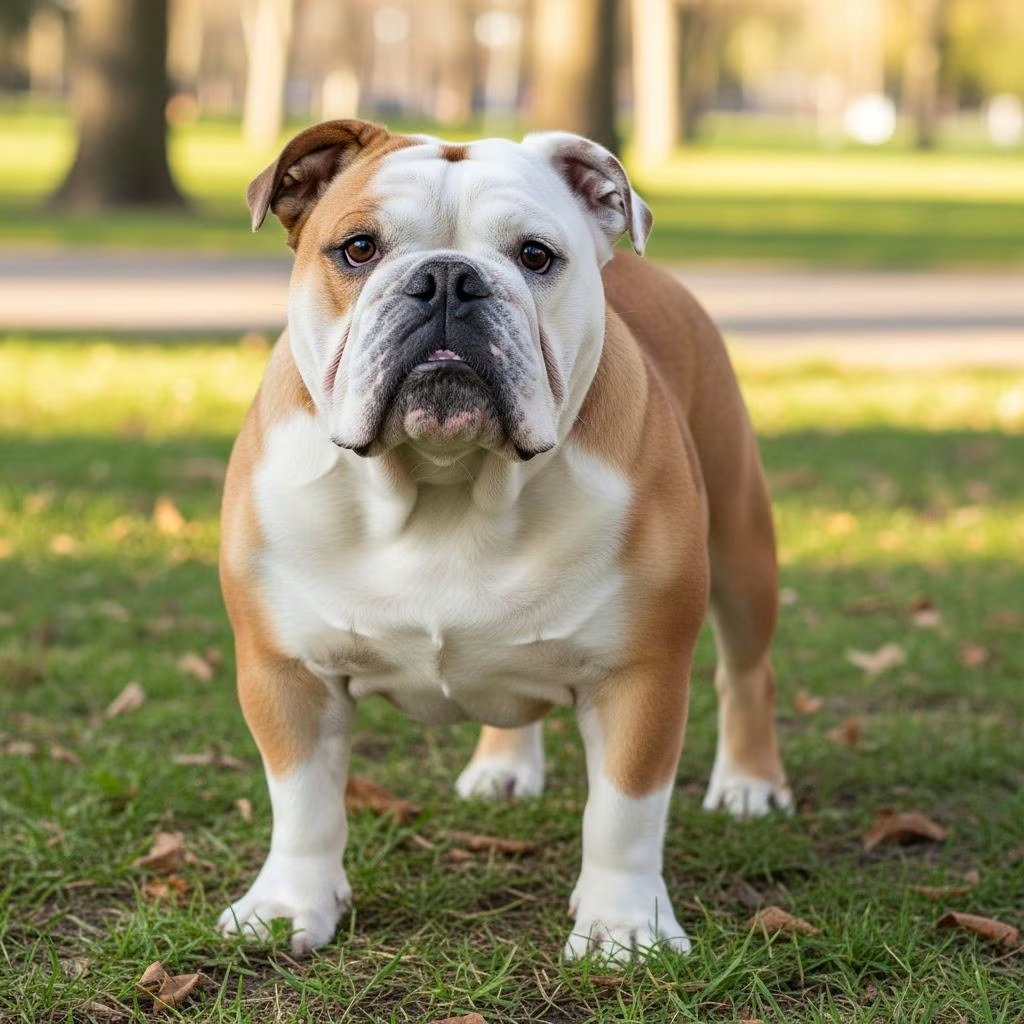
English Bulldogs have captured the hearts of dog lovers worldwide with their distinctive appearance and charming personalities. However, their unique physical characteristics—the result of selective breeding over centuries—have created a predisposition toward numerous health complications. Understanding these inherited conditions is essential for prospective and current Bulldog owners who want to provide the best possible care for their beloved companions. This comprehensive guide explores the major health challenges facing this breed and offers practical strategies for management and prevention.
The Foundation: How Breeding Shaped Modern Bulldogs
The English Bulldog’s distinctive appearance did not emerge by accident. Centuries of selective breeding designed to emphasize certain physical traits have fundamentally altered the breed’s body structure. This intentional breeding created what veterinarians call a structural defect known as chondrodysplasia—a condition that predisposes English Bulldogs to numerous musculoskeletal and physiological problems. The breed’s flat face, compact body, and excessive skin folds, while aesthetically appealing to many, represent significant deviations from a naturally functioning canine body. Understanding this historical context helps owners recognize that health challenges are not individual failures but rather predictable consequences of the breed’s development.
Respiratory Difficulties: The Most Pervasive Challenge
One of the most significant health burdens facing English Bulldogs is Brachycephalic Airway Obstructive Syndrome (BAOS), a condition directly linked to their flattened facial structure. This syndrome affects the breed’s ability to breathe efficiently due to several anatomical abnormalities working in concert. The condition includes narrowed nostrils, an elongated soft palate, extended nasopharyngeal saccules, and a hypoplastic (underdeveloped) trachea that leaves insufficient space for air movement.
The respiratory challenges manifest in various ways throughout a Bulldog’s daily life. Owners frequently observe snorting, snoring, and wheezing sounds even during rest periods. Some dogs experience gagging episodes, particularly during meals or excitement. More concerning are episodes of labored breathing, reduced exercise tolerance, and in severe cases, bluish discoloration of the gums or tongue indicating inadequate oxygen intake. The severity of these symptoms often worsens considerably during hot or humid weather, when environmental conditions place additional stress on an already compromised respiratory system.
Exercise intolerance represents a particularly frustrating aspect of BAOS for active owners. Activities that other dog breeds perform effortlessly—fetching, extended walks, or vigorous play—can trigger severe respiratory distress in Bulldogs. This limitation is not laziness or lack of interest; rather, it reflects a genuine physiological inability to meet increased oxygen demands. Research suggests that nearly all English Bulldogs experience some degree of breathing difficulty, though the impact on individual dogs varies considerably.
Environmental and Lifestyle Management: Maintaining an air-conditioned living environment is not a luxury for Bulldogs with BAOS—it is a medical necessity. Heat exacerbates breathing difficulties dramatically, creating genuine risk for heat stroke and respiratory crisis. Owners must closely supervise outdoor time, particularly during warm months, and avoid allowing their Bulldog to exercise strenuously in hot weather. Weight management plays a crucial supporting role, as obesity compounds respiratory problems significantly. A healthy diet and moderate, controlled exercise help prevent additional weight gain that would further restrict airway function.
Anesthesia Considerations: A critical safety concern for Bulldogs with BAOS involves veterinary procedures requiring anesthesia. Dogs with this condition face substantially elevated risks during anesthesia, including complications such as airway obstruction, difficulty maintaining adequate oxygen levels, and increased mortality risk. Owners should always inform veterinarians about their Bulldog’s breathing issues before any procedure and work with experienced professionals familiar with brachycephalic breed anesthesia protocols.
Orthopedic Challenges: Joint and Bone Problems
Beyond respiratory concerns, English Bulldogs face significant orthopedic challenges rooted in their abnormal skeletal structure. The breed exhibits the highest incidence of hip dysplasia among all dog breeds, with approximately 72 percent of English Bulldogs classified as dysplastic according to the Orthopedic Foundation for Animals. Hip dysplasia involves improper development of the hip joint, creating instability and misalignment that deteriorates over time.
Hip dysplasia typically develops gradually. In puppyhood and young adulthood, joint instability may cause subtle signs like a shortened stride, reluctance to jump, or difficulty rising from rest. As the dog ages, the chronic instability produces inflammatory arthritis that creates progressive pain and mobility limitations. The condition becomes increasingly limiting throughout a dog’s life, eventually affecting their quality of life substantially.
Elbow dysplasia represents another common orthopedic concern, affecting approximately 35 percent of English Bulldogs. This condition similarly involves improper joint development and often accompanies hip dysplasia in affected individuals. Additionally, some Bulldogs experience loose knees and shoulders, creating additional joint instability throughout the body.
Early Detection and Management: Veterinary screening during puppyhood can identify hip dysplasia before significant arthritis develops. PennHIP screening and standard radiographic evaluation help breeders and owners understand a dog’s orthopedic status. Once diagnosed, management strategies include weight maintenance, appropriate exercise levels, joint supplements containing glucosamine and chondroitin, anti-inflammatory medications, and in severe cases, surgical interventions. Physical therapy and controlled exercise often help maintain mobility and comfort better than complete rest.
Dermatological Issues: Skin Fold Complications
The English Bulldog’s signature wrinkled appearance masks a significant dermatological challenge. Those characteristic skin folds and facial wrinkles, while endearing, create warm, moist microclimates where bacteria and yeast thrive abundantly. Trapped moisture and limited air circulation within these folds establish ideal conditions for infection development.
Skin Fold Infections: Pyoderma and other bacterial skin infections commonly develop in the facial wrinkles, tail fold, feet, and armpit areas. These infections manifest as painful red patches called hot spots that can ooze, crust over, and cause significant discomfort to affected dogs. An infected dog may excessively lick, chew, or scratch affected areas, potentially creating secondary wounds and further complications. Regular inspection of skin folds and maintaining proper hygiene through appropriate cleansing helps prevent these infections from developing.
Allergic Dermatitis: English Bulldogs often develop allergies with dermatological manifestations, including itchy rashes, dry and flaky skin, and chronic ear infections. Environmental triggers and food sensitivities create inflammatory skin responses that compound the challenges posed by structural predispositions. Identifying and eliminating allergens, whether environmental or dietary, represents an important component of comprehensive skin health management.
Preventive Skin Care Strategies: Veterinarians may recommend specialized cleansers and medicated wipes specifically formulated for maintaining skin fold hygiene. Regular bathing with appropriate products helps control bacterial and yeast populations. In some cases, topical antifungal or antibacterial treatments prove necessary. Dietary adjustments, anti-inflammatory medications, and antihistamines address allergic components. Severe cases may require additional interventions including prescription medications or specialist dermatology consultation.
Ocular Health Concerns
English Bulldogs’ prominent, forward-facing eyes create aesthetic appeal but simultaneously predispose them to various eye conditions requiring veterinary attention. Cherry eye represents the most common eye problem in the breed, occurring when the nictitans gland—responsible for tear production and ocular lubrication—becomes displaced from its normal location. This displacement compromises the eye’s natural protective mechanisms, increasing infection risk and reducing tear distribution across the corneal surface.
Entropion, another frequently encountered condition, involves the eyelid rolling inward toward the eyeball. This painful problem creates constant irritation, potentially leading to corneal scarring, vision impairment, and in untreated cases, blindness or eye loss. Dry eye (keratoconjunctivitis sicca) and corneal ulceration also occur commonly in the breed, often progressing rapidly without prompt treatment.
Early recognition of eye problems is critical because these conditions can deteriorate quickly, potentially resulting in permanent vision loss. Any noticeable eye discharge, cloudiness, redness, excessive tearing, or squinting warrants immediate veterinary evaluation. Surgical interventions for cherry eye and entropion provide effective solutions when performed promptly by experienced veterinarians.
Cardiac and Metabolic Considerations
English Bulldogs face additional health challenges beyond the obvious respiratory and structural issues. Pulmonic stenosis, a hereditary heart valve abnormality, causes narrowing that impedes blood pumping into the lungs. While mild cases may require no treatment, severe pulmonic stenosis may necessitate lifelong medication or surgical intervention. Owners should watch for excessive panting during normal activity, reluctance to engage in play, or extended recovery periods after exercise, as these signs may indicate cardiac compromise.
Hypothyroidism is becoming increasingly prevalent in English Bulldogs, occurring when the thyroid gland produces insufficient hormones to maintain normal body functions. The breed’s loose skin and fat rolls in the neck area can directly affect thyroid gland function. Additionally, obesity contributes to hypothyroidism development. Symptoms include weight gain despite appropriate diet, lethargy, and hair loss. Thyroid testing through blood work enables diagnosis, and supplementation with synthetic thyroid hormone effectively manages the condition.
Additional Health Vulnerabilities
Beyond the primary concerns discussed above, English Bulldogs experience vulnerability to several additional conditions including bloating (gastric dilatation-volvulus), Von Willebrand’s disease (a blood-clotting disorder), inherited deafness, urinary tract problems, canine kidney disease, demodectic mange, and various tumors. Demodectic mange, caused by the demodex mite that all dogs carry, typically causes no problems in healthy individuals but can develop in Bulldogs with compromised immune systems, creating patchy, scaly skin and hair loss.
Creating a Health-Focused Ownership Plan
Responsible English Bulldog ownership requires proactive health management. Regular veterinary check-ups beginning early in puppyhood establish baseline health status and identify emerging concerns. Weight management through appropriate nutrition and controlled exercise proves essential for minimizing stress on joints and the respiratory system. Environmental management—maintaining cool temperatures and limiting heat exposure—protects against respiratory crisis.
Prospective Bulldog owners should acquire puppies only from breeders who screen parent dogs for genetic conditions and provide documentation of health testing. This practice helps reduce the prevalence of serious inherited conditions within future generations. Understanding that health challenges are inherent to the breed allows owners to make informed decisions about the commitment required and to advocate effectively for their individual dog’s well-being throughout their life.
References
- Prudent Pet Insurance – Health Issues of English Bulldogs — Prudent Pet. https://www.prudentpet.com/health-issues-english-bulldog/
- Embrace Pet Insurance – English Bulldog Health Issues: Common Concerns Facing Bulldogs — Embrace Pet Insurance. https://www.embracepetinsurance.com/waterbowl/article/english-bulldog-health-issues-problems
- Canna-Pet – English Bulldog Health Problems & Issues — Canna-Pet. https://canna-pet.com/articles/english-bulldog-health-problems-issues/
- ManyPets – Common Health Problems with English Bulldogs — ManyPets. https://manypets.com/us/blog/common-health-problems-bulldogs/
- Walkin’ Pets – Top English Bulldog Health Issues — Walkin’ Pets. https://walkinpets.com/blogs/blog/top-english-bulldog-health-issues
- PetMD – Bulldog (English Bulldog) Dog Breed Health and Care — PetMD. https://www.petmd.com/dog/breeds/bulldog



