

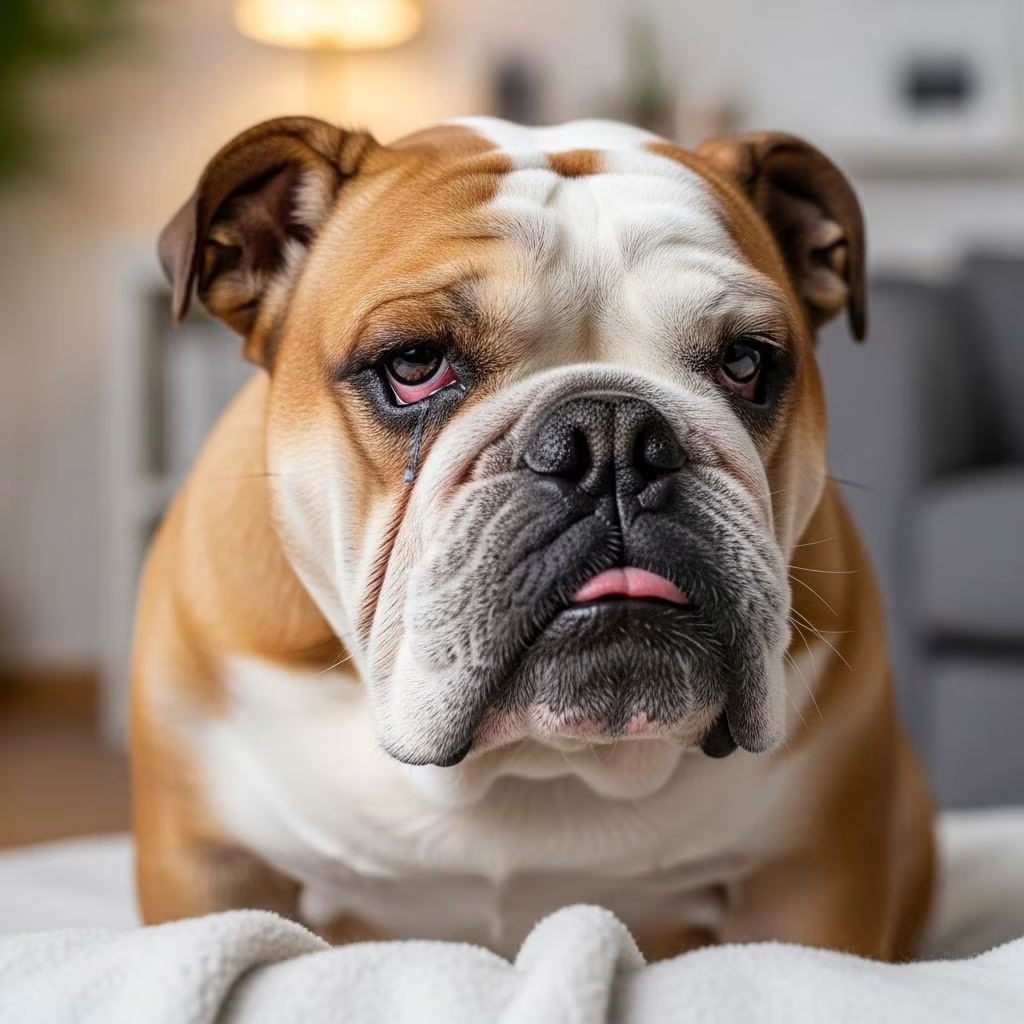
English Bulldogs, with their distinctive wrinkled faces and sturdy builds, are beloved for their affectionate nature but prone to several breed-specific health challenges stemming from their brachycephalic structure and genetics. Understanding these risks enables owners to provide targeted care, potentially extending their dog’s lifespan and improving quality of life. This article delves into the most prevalent conditions, offering practical advice on identification, management, and prevention.
Respiratory Challenges in Brachycephalic Bulldogs
The flat-faced conformation of English Bulldogs leads to Brachycephalic Obstructive Airway Syndrome (BOAS), a primary health concern affecting nearly all individuals in the breed. Narrowed nostrils, an elongated soft palate, everted laryngeal saccules, and a hypoplastic trachea restrict airflow, causing noisy breathing, snoring, snorting, and exercise intolerance.
Symptoms worsen in heat, humidity, or during exertion, increasing risks of overheating, collapse, and heatstroke. Overweight Bulldogs exacerbate these issues, as excess fat compresses airways further. Owners report gagging, excessive panting at rest, and reluctance to play as early signs.
Management involves weight control through balanced diets and low-impact activities like short walks in cool conditions. Air-conditioned environments and cooling mats help during summer. Severe cases may require surgery to widen nostrils, shorten the soft palate, or remove excess tissue, improving airflow and stamina. Regular veterinary assessments, including BOAS grading via endoscopy, guide intervention timing. Anesthesia poses heightened risks for BOAS-affected dogs, necessitating specialized protocols.
Skin Fold Infections and Dermatological Woes
Deep skin folds on the face, tail base, paws, and armpits trap moisture, fostering bacterial and yeast overgrowth leading to skin fold pyoderma or intertrigo. Red, inflamed, oozing hot spots cause pain, itching, and odor. Allergies to food, pollen, or fleas compound these, manifesting as flaky skin, chronic ear infections, and paw licking.
- Daily cleaning with vet-recommended wipes or antiseptics prevents buildup.
- Medicated shampoos address active infections.
- Dietary hypoallergenic trials manage food sensitivities.
- Surgery to reduce excessive folds offers long-term relief in recurrent cases.
Demodectic mange, triggered by immune compromise, appears as bald, scaly patches on the head and legs, common in puppies but persisting in adults signals deeper issues. Prompt treatment with antiparasitics and immune support resolves most cases.
Ocular Vulnerabilities and Eye Care Essentials
Prominent eyes in Bulldogs predispose them to multiple disorders. Cherry eye occurs when the third eyelid’s gland prolapses, risking dry eye and infection if untreated; surgical tacking corrects it without removal. Entropion rolls eyelids inward, abrading the cornea and causing ulcers or blindness—eyelid surgery is curative.
Dry eye (keratoconjunctivitis sicca) reduces tear production, leading to thick discharge and ulcers. Lifelong cyclosporine ointment manages it effectively. Ectropion exposes the eye to irritants, while cataracts cloud vision even in youth. Distichiasis (misplaced lashes) and lagophthalmos (inability to fully close eyes) add to discomfort.
| Condition | Symptoms | Treatment |
|---|---|---|
| Cherry Eye | Red mass in eye corner | Surgical repositioning |
| Entropion | Painful squinting, ulcers | Eyelid correction surgery |
| Dry Eye | Dull, sticky eyes | Topical medications |
Daily inspections, protective eyewear during play, and immediate vet visits for redness or discharge safeguard vision.
Joint and Mobility Impairments
English Bulldogs top statistics for hip dysplasia, where malformed hip sockets cause instability, lameness, and arthritis. Elbow dysplasia similarly affects front limbs. Their compact build stresses joints, hastening degenerative joint disease (osteoarthritis).
Signs include limping, bunny-hopping gait, difficulty rising, and pain on palpation. Early PennHIP screening in puppies from responsible breeders reduces incidence. Management encompasses:
- Weight optimization to lessen joint load.
- Joint supplements like glucosamine and omega-3s.
- Physical therapy, hydrotherapy, and acupuncture.
- Joint fluid injections or surgeries like femoral head ostectomy for advanced cases.
Mobility loss, from intervertebral disc disease to fibrocartilaginous emboli, can cause hind limb weakness or paralysis. Urgent MRI and neurosurgery may be needed.
Cardiac and Internal Organ Concerns
Pulmonic stenosis narrows the valve between the right ventricle and pulmonary artery, straining the heart. Mild cases monitor quietly; severe ones demand balloon valvuloplasty or medications. Heart murmurs, fatigue, and fainting warrant echocardiograms.
Other issues include megaesophagus (dilated esophagus causing regurgitation), laryngeal paralysis (voice changes and collapse), and pyloric stenosis (vomiting post-meals). Bloat (gastric dilatation-volvulus), kidney disease, urinary issues, and cancers like mast cell tumors also threaten. Von Willebrand’s disease impairs clotting, risking excessive bleeding.
Holistic Wellness and Prevention Blueprint
Proactive care mitigates many Bulldog health risks. Choose breeders screening for hip/elbow scores, BOAS, and cardiac evaluations via OFA/CHIC programs. Puppy vaccinations, parasite preventives, and spaying/neutering at optimal ages support immunity.
Nutrition tailored to low-calorie, high-protein formulas combats obesity. Moderate exercise—swimming excels—builds muscle without airway strain. Annual vet exams with bloodwork detect issues early. Dental care prevents fold-related infections spreading.
Genetic testing via Embark or Wisdom Panel identifies at-risk dogs for allergies or demodex. Pet insurance covers costly surgeries, averaging $5,000+ for BOAS corrections.
Frequently Asked Questions (FAQs)
Can English Bulldogs live long with health issues?
With diligent care, Bulldogs reach 8-12 years, though averages hover at 8.4 due to comorbidities.
How to prevent BOAS worsening?
Maintain ideal weight, avoid heat/exertion, and consider soft palate resection if graded moderate-severe.
Are skin issues curable?
Manageable with hygiene; allergies require lifelong management.
What’s the best diet for joint health?
Large-breed puppy formulas transitioning to senior mobility-support kibble with joint additives.
Do all Bulldogs need eye surgery?
Not all, but 20-30% develop cherry eye or entropion needing correction.
Armed with knowledge, owners can navigate these challenges, ensuring their English Bulldogs enjoy playful, pain-free lives.
References
- Health Issues of English Bulldogs — Prudent Pet Insurance. 2023. https://www.prudentpet.com/health-issues-english-bulldog/
- English Bulldog Health Issues: Common Concerns Facing Bulldogs — Embrace Pet Insurance. 2024-01-15. https://www.embracepetinsurance.com/waterbowl/article/english-bulldog-health-issues-problems
- Common health problems with English Bulldogs — ManyPets. 2024-06-10. https://manypets.com/us/blog/common-health-problems-bulldogs/
- Top English Bulldog Health Issues — Walkin’ Pets. 2023-11-20. https://walkinpets.com/blogs/blog/top-english-bulldog-health-issues
- Bulldog (English Bulldog) Dog Breed Health and Care — PetMD. 2025-03-05. https://www.petmd.com/dog/breeds/bulldog
- English bulldog health problems — Animal Friends. 2024. https://www.animalfriends.co.uk/dog/dog-advice/dog-breed-health-problems/english-bulldog-health-problems/



