

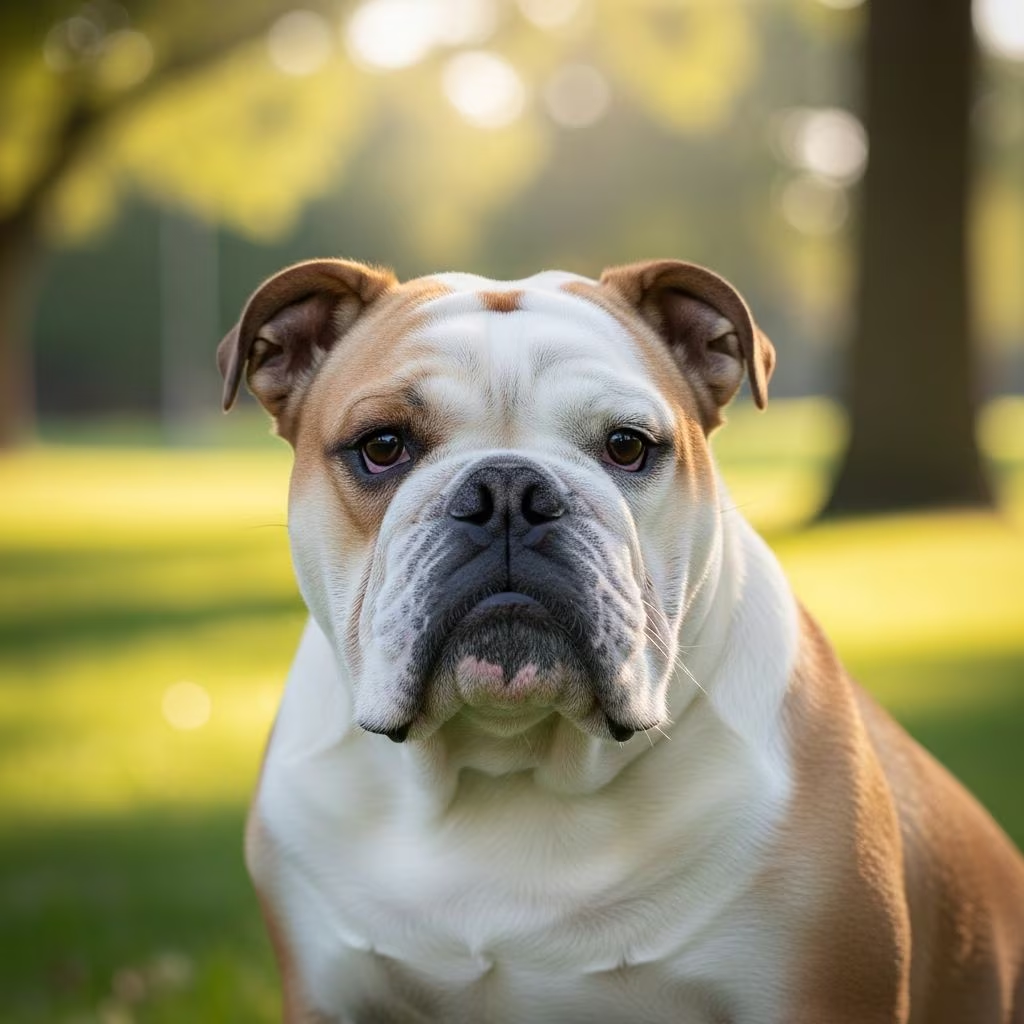
The English Bulldog, with its distinctive wrinkled face, stocky build, and gentle demeanor, has captivated pet lovers worldwide. Once bred for intense sporting purposes, this breed has evolved into a cherished family companion known for loyalty and affection. This guide delves into their background, physical and behavioral traits, essential care practices, training methods, dietary requirements, and proactive health management to help you provide the best life for your Bulldog.
Origins and Evolution of the English Bulldog
English Bulldogs trace their roots to medieval England, where they were developed specifically for the brutal sport of bull-baiting. Crosses between larger Mastiff-types and smaller, agile dogs like Pugs created a canine with the strength to grip a bull and the tenacity to hold on despite resistance. This activity, popular from the Middle Ages through the early 19th century, demanded dogs with powerful jaws, muscular bodies, and unyielding courage.
Bull-baiting involved releasing dogs to attack a tethered bull, with the goal of bringing it down—a spectacle believed by some to tenderize meat, though primarily a form of entertainment for the working classes. Dogs exhibited heavy muscling, robust skeletons, and expansive chests suited to the task, shaping the breed’s foundational physique. Historical records, such as those from 1576 by Johannes Caius, describe these early “bandogges” as stubborn, loyal guardians used in such contests.
The Cruelty to Animals Act of 1835 outlawed bull-baiting in England, nearly extinguishing the breed as its purpose vanished. Devoted fanciers intervened, selectively breeding for companionship over combat. By the 1860s, Bulldogs were repurposed for dog shows, with the first Bulldog Club formed in 1864 to standardize traits and promote a docile temperament. The 1875 Bulldog Club standard emphasized family-friendly qualities, marking a pivotal shift.
Brought to America in 1880, the breed gained American Kennel Club (AKC) recognition in 1886. Early U.S. enthusiasts established the Bulldog Club of America in 1890, adopting standards mirroring England’s to preserve type. Over decades, breeders refined the short-legged, broad-chested form we recognize today, prioritizing personality—calm, affectionate, and adaptable—transforming a gladiator into a couch-loving icon.
Physical Characteristics and Breed Standards
Modern English Bulldogs embody a compact, muscular frame on short legs, typically weighing 40-50 pounds for males and 40 pounds for females, standing 12-15 inches tall. Their hallmark is the massive head with loose skin folds, a pushed-in muzzle (brachycephalic structure), undershot jaw, and small, erect ears resembling rose petals or bat wings.
The coat is short, smooth, and glossy in colors like white, red, fawn, piebald, or brindle, with a fine, straight texture requiring minimal grooming. Eyes are dark and round, set low in the skull, contributing to their expressive, soulful gaze. Hindquarters are broad, with turned-out feet and a distinctive rolling gait—short, quick steps that skim the ground.
Genetic studies reveal selective breeding amplified traits like droopy lips (via CHRNB1 gene), short snouts (BMP3), and larger bodies (IGF1), often at health’s expense due to inbreeding. The AKC standard prioritizes balance: a low-slung body, wide chest, and tail that’s either straight or screw-shaped, ensuring the breed’s functionality as a companion rather than a caricature.
| Trait | Description | Ideal Measurement |
|---|---|---|
| Height | Compact stature | 12-15 inches |
| Weight (Male) | Muscular build | 50 pounds |
| Coat | Smooth, short | Single-layered |
| Head | Massive, wrinkled | Proportionate to body |
Temperament and Personality Traits
Beneath the tough exterior lies a heart of gold. English Bulldogs are famously laid-back, affectionate, and clownish, thriving on human interaction. They form deep bonds with families, often acting as gentle nursemaids to children due to their patient nature.
- Loyal Companions: Bulldogs crave closeness, preferring laps over laps around the yard.
- Low-Energy: Content with short walks, they excel as apartment dwellers.
- Protective yet Non-Aggressive: Alert barkers without excessive territoriality.
- Social Butterflies: Generally dog-friendly, though early socialization prevents stubborn streaks.
Early ferocity has been bred out, yielding a breed that’s stubborn but responsive to firm, positive handling. They dislike loneliness, potentially developing separation anxiety if left alone excessively.
Daily Care and Grooming Essentials
Caring for a Bulldog emphasizes their brachycephalic needs. Provide a cool environment, as heat exacerbates breathing issues—avoid hot climates or strenuous exercise.
- Bathing: Monthly with mild shampoo to preserve skin oils; focus on face folds to prevent infections.
- Brushing: Weekly with a rubber curry brush to distribute oils and remove dead skin.
- Nail Trims: Bi-monthly to avoid overgrowth causing gait issues.
- Ear Cleaning: Weekly checks for wax buildup in their deep ear canals.
- Dental Care: Daily brushing with enzymatic toothpaste combats plaque on crowded teeth.
Face folds require daily wiping with a damp cloth and vet-recommended solution to stave off yeast or bacterial buildup. Their shedding is moderate, heaviest seasonally.
Nutrition and Feeding Guidelines
Bulldogs prone to obesity need calorie-controlled diets rich in high-quality protein (25-30%) and moderate fats (10-15%), with joint-supporting glucosamine. Feed 1-2.5 cups daily, split into 2-3 meals to aid digestion.
| Life Stage | Daily Calories | Key Nutrients |
|---|---|---|
| Puppy | 800-1200 | High protein, DHA for brain |
| Adult | 1000-1400 | Balanced fiber, antioxidants |
| Senior | 800-1100 | Joint supplements, lower fat |
Avoid table scraps; opt for large-kibble breeds to promote chewing. Fresh water always available, elevated bowls ease breathing.
Training and Socialization Strategies
Bulldogs respond best to positive reinforcement—treats, praise—over harsh corrections, given their sensitive, willful nature. Start early:
- Basic Commands: Sit, stay, come using short sessions (10-15 mins).
- Housebreaking: Consistent crate training leverages their den instinct.
- Socialization: Puppy classes expose to stimuli, curbing dog-selectivity.
- Leash Manners: Harness over collar prevents tracheal strain.
Stubbornness melts with patience; mental games like puzzle toys prevent boredom-induced chewing.
Health Concerns and Preventive Measures
Brachycephalic breeds face challenges from exaggerated traits: respiratory distress (80% affected), hip dysplasia, allergies, and skin issues. Lifespan averages 8-10 years.
- Breathing Problems: Snoring, reverse sneezing; surgery like soft palate resection if severe.
- Orthopedic Issues: Monitor for limping; weight control key.
- Skin Fold Pyoderma: Routine cleaning prevents.
- Heart Conditions: Annual echoes detect early.
Annual vet exams, vaccinations, heartworm preventives essential. Pet insurance covers breed-specific costs. Recent studies (post-2024) underscore genetic diversity’s role in mitigating issues.
Choosing and Bringing Home Your Bulldog
Select from responsible breeders screening for health (OFA certifications) or ethical rescues. Puppies cost $2,000-$4,000; prepare with bully-proof toys, cooling mats. Integrate slowly for stress-free adjustment.
Frequently Asked Questions (FAQs)
Are English Bulldogs good with kids?
Yes, their tolerant nature suits families, but supervise young children due to size.
How much exercise do they need?
20-30 minutes daily walks; prefer cool times to avoid overheating.
Do Bulldogs drool a lot?
Moderately; loose jowls contribute, manageable with bibs.
Can they live in hot climates?
No; AC essential, limit outdoor time above 75°F.
What’s the best food for Bulldogs?
Breed-specific kibble with probiotics for gut health.
References
- English Bulldog Breed Guide: Characteristics, History & Care — Pawlicy Advisor. 2023. https://www.pawlicy.com/blog/english-bulldog-breed/
- Bulldog History: Where the Breed Originated — American Kennel Club. 2023-10-01. https://www.akc.org/expert-advice/dog-breeds/bulldog-history/
- The (de-)evolution of the bulldog — Scienceline (NYU). 2017-09-28. https://scienceline.org/2017/09/de-evolution-bulldog/
- BULLDOGS THROUGH TIME — Bulldog Breed Council. 2023. https://www.bulldogbreedcouncil.co.uk/i/bulldogs-through-time
- Bulldog — Wikipedia (references primary histories). 2026. https://en.wikipedia.org/wiki/Bulldog



