

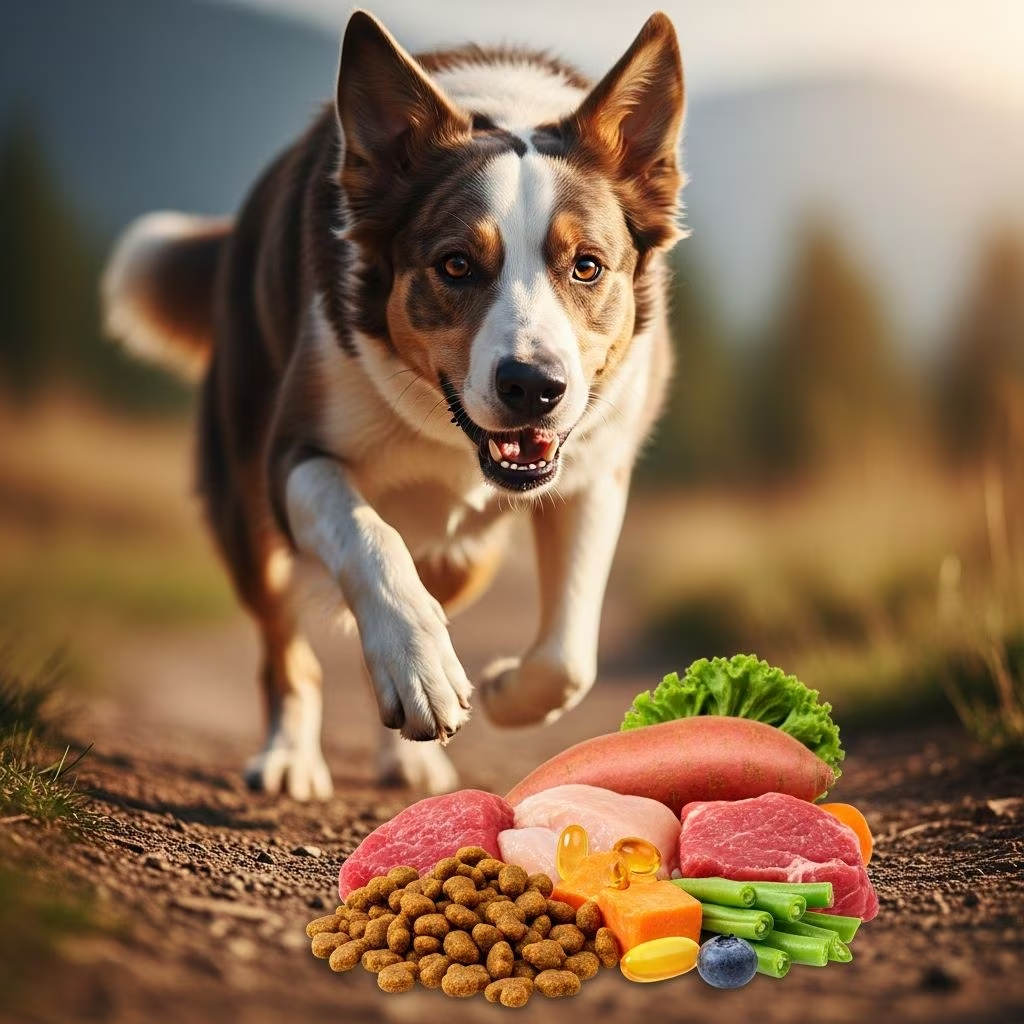
Dogs with elevated activity levels, working responsibilities, or recovery needs require dietary approaches that differ significantly from standard maintenance feeding. When a dog’s lifestyle demands more energy output, traditional kibble often falls short of meeting their nutritional requirements. Understanding how to properly nourish high-performance canines involves more than simply increasing portion sizes—it requires selecting foods specifically formulated to deliver concentrated nutrition efficiently.
Understanding Energy Concentration in Canine Diets
The foundation of high-calorie dog nutrition rests on understanding how different macronutrients contribute energy to your pet’s diet. Fat emerges as the most efficient energy source at 9 calories per gram, while both protein and carbohydrates provide only 4 calories per gram. This fundamental difference explains why premium performance diets prioritize fat content as their primary energy driver.
Foods engineered for active dogs typically contain fat levels ranging from 15% to 30% or higher, contrasting sharply with standard maintenance diets that usually contain between 8% and 15% fat. This concentrated approach allows working dogs to obtain necessary calories without consuming excessive food volumes, which proves particularly beneficial for dogs engaged in demanding physical activities.
Identifying Dogs That Benefit From Concentrated Nutrition
Several distinct canine populations thrive when fed energy-dense formulations rather than conventional diets:
- Working and sport dogs engaged in regular physical labor or competitive activities
- Young puppies whose rapid growth and development demands increased caloric intake
- Nursing females requiring substantial nutrition to support milk production
- Dogs recovering from surgery or illness needing extra calories to facilitate healing
- High-metabolism breeds that naturally burn through calories at accelerated rates
- Underweight dogs requiring gradual, healthy weight restoration
Each group has distinct nutritional needs that extend beyond simple caloric quantity. Recovery requires targeted nutrients for tissue repair, while athletic performance demands sustained energy availability and muscle protection.
The Role of Fat in Athletic Performance
Fat serves multiple functions in performance canine nutrition beyond simple calorie provision. As the body’s preferred fuel source for endurance activities, dietary fat enables sustained energy delivery without the energy fluctuations associated with carbohydrate-dependent feeding. Working dogs relying on carbohydrates as primary fuel sources may experience energy crashes during extended work periods, potentially compromising performance and safety.
The metabolic efficiency of fat-based diets supports working dogs’ ability to maintain consistent physical output throughout extended work sessions. Dogs used for sledding, herding, search and rescue, or other sustained activities particularly benefit from this metabolic advantage.
Protein Quality and Muscle Preservation
While fat provides concentrated energy, protein remains equally critical for athletic dogs. When dogs exercise intensely, their muscles experience rapid breakdown and rebuilding cycles. Amino acids within high-quality proteins facilitate muscle repair and growth, making adequate protein intake essential for protecting muscle mass during intense training or work periods.
Active dogs should receive high-quality animal-origin protein sources including chicken, beef, lamb, or fish. Complete proteins containing all essential amino acids support lean muscle development better than incomplete protein sources. Performance-level diets often contain 30% to 35% or higher protein content to adequately support these muscle-preservation functions.
Understanding Digestibility as a Critical Component
High-calorie formulations only benefit dogs if their digestive systems efficiently absorb and utilize the nutrients provided. Foods containing highly digestible ingredients ensure dogs actually absorb the intended nutrition rather than simply consuming it. Digestibility becomes particularly important for underweight or recovering dogs whose sensitive digestive systems may struggle with overly rich formulations.
When transitioning dogs to concentrated nutrition sources, gradual dietary shifts over 7 to 10 days allow digestive systems to adapt to the increased fat and nutrient density. Monitoring stool quality provides valuable feedback about digestive tolerance—soft stools may indicate excessive richness or insufficient digestibility for that particular dog.
Evaluating Ingredient Quality and Sourcing
Reading ingredient lists requires understanding what constitutes genuine nutrition versus fillers. High-calorie formulations designed for active dogs minimize grain-based fillers in favor of nutrient-dense components. Quality proteins and healthy fat sources should appear prominently on ingredient listings, indicating that the majority of calories derive from genuine nutrition rather than inexpensive filler materials.
Consider these elements when evaluating specific products:
| Evaluation Factor | Quality Indicator | Concern Signal |
|---|---|---|
| Protein Source | Named animal proteins (chicken, beef, lamb, fish) | Generic meat byproducts or unspecified sources |
| Fat Composition | Identified healthy fat sources | Vague fat descriptions or excessive saturated sources |
| Fillers | Minimal grain content; nutrient-dense carbs | Multiple low-quality grains or plant-based fillers |
| Digestibility | Limited ingredients; known digestible components | Numerous additives or controversial components |
Weight Gain Versus Healthy Conditioning
Simply feeding more food does not constitute proper conditioning. Active dogs require structured approaches to achieving healthy weight gains. Combining increased caloric intake with appropriate exercise ensures dogs develop muscle mass rather than excessive fat deposits. Movement and physical activity work synergistically with concentrated nutrition to build athletic conditioning rather than unhealthy weight accumulation.
Dogs recovering from illness require particular attention to balancing nutrition with rest. While recovery demands extra calories to support tissue repair and immune function, excessive activity during early recovery phases remains counterproductive. Nutritional support should match the recovery timeline prescribed by veterinary professionals.
Practical Implementation Strategies
Transitioning dogs to high-calorie formulations requires methodical approach rather than abrupt dietary changes. Gradual mixing of new food with existing food over approximately one week allows digestive systems to adapt. Starting with small portions of concentrated nutrition, then incrementally increasing quantities prevents gastrointestinal upset while allowing assessment of individual tolerance.
Portion measurement remains important despite feeding concentrated nutrition. While high-calorie foods require smaller quantities than standard maintenance diets, proper portion sizing prevents excessive weight gain or digestive distress. Consulting veterinary professionals for specific portion recommendations ensures dogs receive appropriate quantities for their individual circumstances.
Food freshness matters significantly in concentrated formulations. Purchasing bag sizes that dogs can consume within approximately one month maintains nutritional integrity. Opened bags should be stored in airtight containers to prevent fat oxidation and nutrient degradation.
Special Considerations for Different Life Stages
Growing puppies require distinct nutritional approaches from adult performance dogs. Puppies weighing 10 pounds and expected to reach approximately 33 pounds require approximately 990 calories daily, with specific protein and fat requirements totaling approximately 56 grams of protein and 21 grams of fat. Senior dogs, conversely, typically require 25 to 30 calories per pound of body weight daily.
Nursing females represent a unique population with dramatically elevated caloric needs to support milk production. Performance demands during nursing period can exceed even those of active working dogs, necessitating particularly concentrated nutrition sources.
Addressing Common Concerns and Misconceptions
High-calorie formulations do not inherently cause obesity when appropriately matched to dogs’ activity levels and portions. The distinction lies in feeding concentrated nutrition to truly active dogs in appropriate quantities versus feeding excessive quantities of any diet to sedentary dogs.
Carbohydrate-dependent diets, particularly those relying on rapidly digestible carbohydrates, can create energy fluctuations problematic for working dogs. These diets may provide insufficient energy for extended work periods and can contribute to unhealthy weight accumulation when fed in adequate quantities to meet energy demands. Fat-based nutrition provides more stable, sustained energy availability.
Some dogs with specific health conditions or carbohydrate sensitivities require higher-protein, higher-fat formulations for digestive tolerance and performance optimization. Individual dogs may respond differently to various formulations, making veterinary guidance valuable when selecting appropriate products.
Consulting Professional Guidance
Veterinary nutritionists and veterinarians provide invaluable input when selecting high-calorie formulations for individual dogs. Professional guidance proves particularly important for dogs with existing health conditions, those recovering from medical events, or breeds known for weight-management challenges.
While high-protein formulations support active dogs, excessive protein can occasionally contribute to weight gain even in athletic dogs. Professional assessment ensures selected formulations match individual dogs’ specific requirements rather than general breed characteristics.
Frequently Asked Questions
What exactly qualifies a dog food as high-calorie?
High-calorie dog foods contain elevated fat content (typically 15-30% or higher), quality animal proteins, minimal fillers, and highly digestible ingredients that concentrate nutrition efficiently.
Can high-calorie foods cause digestive problems?
Gradual transitions over 7-10 days and selection of highly digestible formulations minimize digestive issues. Monitoring stool quality indicates digestive tolerance and helps identify necessary adjustments.
How do I know if my dog needs high-calorie nutrition?
Dogs with elevated energy needs including active, working, athletic, or recovering dogs benefit from concentrated nutrition. Veterinary assessment helps determine if individual dogs genuinely require enhanced caloric density.
Should exercise accompany high-calorie feeding?
Yes, combining concentrated nutrition with appropriate exercise builds lean muscle mass and athletic conditioning rather than unhealthy weight accumulation.
What fat percentage should performance dog foods contain?
Performance formulations typically contain 15-30% fat or higher, compared to standard maintenance diets containing 8-15% fat, providing concentrated energy for active dogs.
References
- High-Calorie Dog Foods That Help Your Pup Pack on Healthy Pounds — Stamford Dog Trainer. Accessed March 2026. https://stamforddogtrainer.com/high-calorie-dog-foods-that-help-your-pup-pack-on-healthy-pounds/
- The Great Benefit of Feeding Healthy, High Fat Dog Food UK — Working HPRs. Accessed March 2026. https://www.workinghprs.co.uk/content/great-benefit-feeding-healthy-high-fat-dog-food-uk
- High-Calorie Dog Food — Whole Dog Journal. Accessed March 2026. https://www.whole-dog-journal.com/food/high-calorie-dog-food/
- Benefits of High Protein Dog Food? — Purina US. Accessed March 2026. https://www.purina.com/articles/dog/health/nutrition/best-protein-for-dogs
- What’s the Best Dog Food for Weight Gain? — PetMD. Accessed March 2026. https://www.petmd.com/dog/nutrition/whats-best-dog-food-weight-gain
- Caloric Density in Pet Nutrition: Essential Guide — ButcherBox For Pets. Accessed March 2026. https://butcherboxforpets.com/blogs/pack-education-resources/the-essential-guide-to-caloric-density-in-pet-nutrition



