
Endometritis In Livestock: Essential Prevention And Treatment
Exploring causes, impacts, and management of uterine inflammation in key production animals like cows, mares, sows, and bitches.
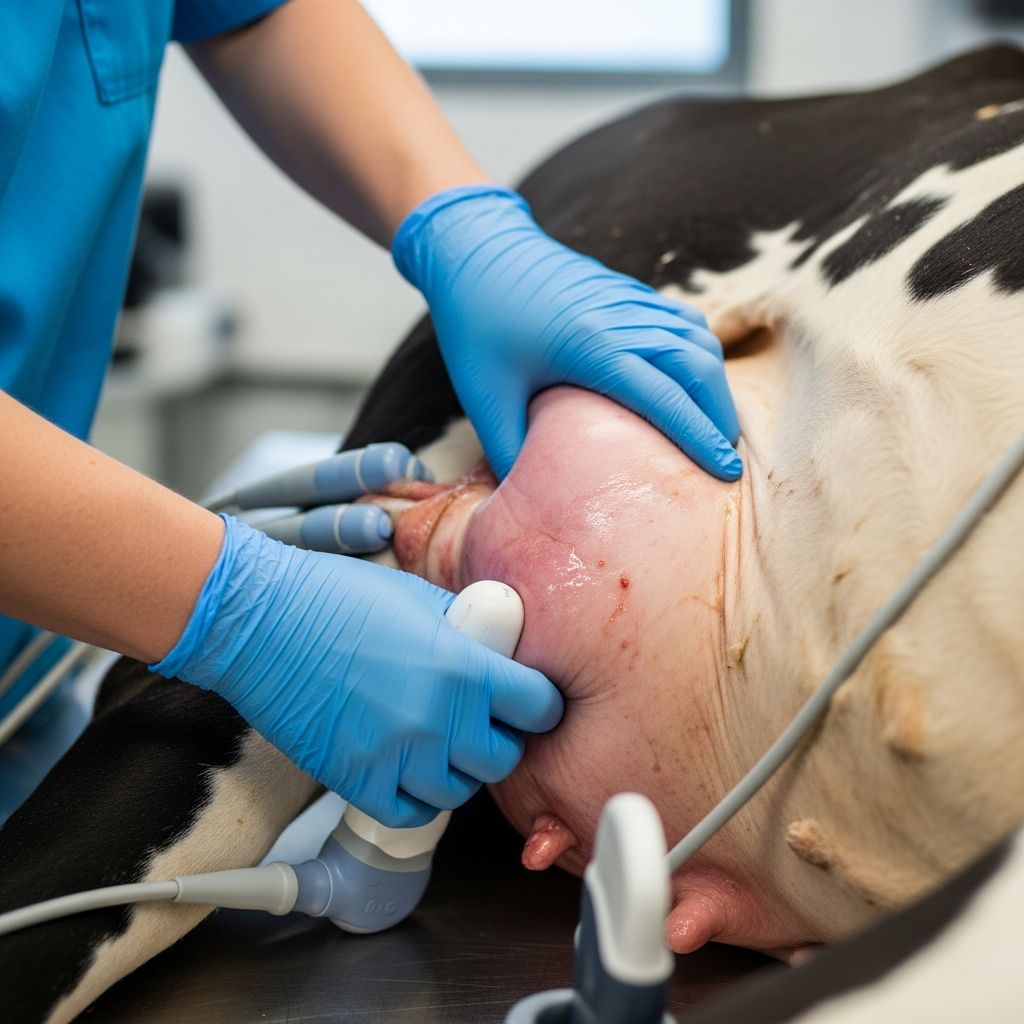
Endometritis represents a critical inflammatory condition of the uterus that significantly hampers reproductive efficiency in various production animals. This disease manifests as persistent bacterial infection post-partum or post-breeding, leading to delayed conception, reduced pregnancy rates, and substantial economic losses for farmers. In dairy herds, prevalence can reach 10-15%, with variations from under 4% on top-performing farms to over 25% on others. Understanding its mechanisms across species is essential for targeted interventions.
Understanding the Pathophysiology of Uterine Inflammation
The uterus in healthy animals hosts commensal microbes, but imbalance triggers inflammation. Postpartum contamination is common, yet immune defenses typically clear it before breeding. When infections linger beyond 4 weeks, endometritis develops, characterized by pus discharge and endometrial damage. Inflammatory cytokines like IL-1β, IL-6, and TNF-α surge, promoting immune cell influx but also tissue destruction if unchecked.
In experimental models, pathogens such as Escherichia coli and Streptococcus equi subsp. zooepidemicus induce uterine congestion, edema, and lymphocyte infiltration, mirroring natural disease. Negative energy balance postpartum impairs cytokine responses, delaying clearance and favoring chronicity.
Species-Specific Manifestations and Risk Factors
Endometritis patterns differ by animal type, influenced by reproductive physiology and management practices.
- Cows: Post-calving endometritis (“whites”) affects 10-15% of dairy cows, linked to retained placenta and fever. Subclinical forms evade overt signs but slash fertility by disrupting ovulation and embryo implantation.
- Mares: Post-breeding endometritis predominates, with bacteria like Pseudomonas aeruginosa forming biofilms that resist clearance. Susceptible mares show fluid accumulation post-insemination.
- Sows: Postpartum cases prevail, though data is limited; risk escalates with dystocia or poor hygiene.
- Bitches: Mating-induced inflammation is common, impacting breeding programs.
Common risks include dystocia, retained membranes, and immunosuppression from metabolic stress.
Clinical Signs and Diagnostic Approaches
Acute endometritis features purulent vaginal discharge, fever, and toxemia, while chronic forms show infertility without systemic illness. In cows, delayed heat and prolonged calving-to-conception intervals signal issues. Mares exhibit uterine fluid on ultrasound.
Diagnosis relies on:
- Vaginal discharge scoring (purulent = positive).
- Ultrasound for fluid and edema.
- Cytology/bacteriology from swabs.
- Biopsy for histopathology, revealing leukocyte infiltration.
Early detection at 4-6 weeks postpartum is vital.
Economic Implications for Production Systems
| Species | Prevalence | Key Impacts | Estimated Loss |
|---|---|---|---|
| Cows | 10-15% | Extended calving interval, lower conception rates | Substantial via reduced milk output |
| Mares | Variable post-breeding | Repeated services, breeding failures | High in performance herds |
| Sows/Bitches | Less quantified | Litter size reduction, breeding delays | Emerging concern |
Fertility drops make the uterus hostile to embryos, compounding losses.
Prevention Strategies in Farm Settings
Proactive measures curb incidence:
- Hygiene during calving/foaling.
- Monitor high-risk cows (retained placenta) with antibiotics only if toxemic.
- Nutritional optimization to bolster immunity.
- Breeding hygiene in mares, using ecbolic agents post-insemination.
Check all retained placenta cases 6-8 weeks post-calving.
Treatment Protocols and Emerging Therapies
Acute cases demand systemic antibiotics and anti-inflammatories for sick animals. Chronic management includes uterine lavage to remove exudate, followed by intrauterine antimicrobials. Biofilm producers like P. aeruginosa challenge therapy.
Experimental models confirm antibiotics reduce IL-1β, IL-6, TNF-α levels. Non-antibiotic options like immunomodulators show promise but lack widespread validation.
Research Frontiers and Experimental Models
Rabbit models replicate equine endometritis via intrauterine E. coli/S. zooepidemicus injection, showing elevated cytokines and NF-κB activation. Such models aid drug testing economically. Dairy cow studies link cytokine dysregulation to persistent infection. Gaps persist in sows and bitches.
Frequently Asked Questions (FAQs)
What causes endometritis in cows?
Bacterial ascent post-calving, exacerbated by retained placenta or energy deficit.
How is endometritis diagnosed in mares?
Via ultrasound, cytology, and culture post-breeding.
Can endometritis be prevented?
Yes, through hygiene, nutrition, and timely checks.
What are the best treatments?
Lavage plus antibiotics; target biofilms in chronic cases.
Does endometritis affect milk production?
Indirectly via delayed fertility and health impacts.
Future Directions in Management
Advancing diagnostics like cytokine profiling and genomics could personalize care. Vaccine development against key pathogens and antibiotic stewardship are priorities amid resistance. Integrated herd health programs promise sustained gains.
References
- Construction of a model of endometritis in domestic rabbits using … — Frontiers in Veterinary Science. 2023. https://www.frontiersin.org/journals/veterinary-science/articles/10.3389/fvets.2023.1064522/full
- Treatment of acute and chronic endometritis (Proceedings) — dvm360. N/A. https://www.dvm360.com/view/treatment-acute-and-chronic-endometritis-proceedings
- Part 7 – Uterine Infection — NADIS. N/A. https://www.nadis.org.uk/disease-a-z/cattle/fertility-in-dairy-herds/part-7-uterine-infection/
- CHARACTERIZATION OF ENDOMETRITIS IN POSTPARTUM … — Library and Archives Canada. 2011. https://central.bac-lac.gc.ca/.item?id=TC-SSU-08272011210219&op=pdf&app=Library&is_thesis=1&oclc_number=1032995135
- General and comparative aspects of endometritis in domestic … — Wiley Online Library. 2023. https://onlinelibrary.wiley.com/doi/10.1111/rda.14390
- General and comparative aspects of endometritis in domestic species — PubMed. 2023-05-17. https://pubmed.ncbi.nlm.nih.gov/37191856/
Similar Articles








Read full bio of Sneha Tete


