

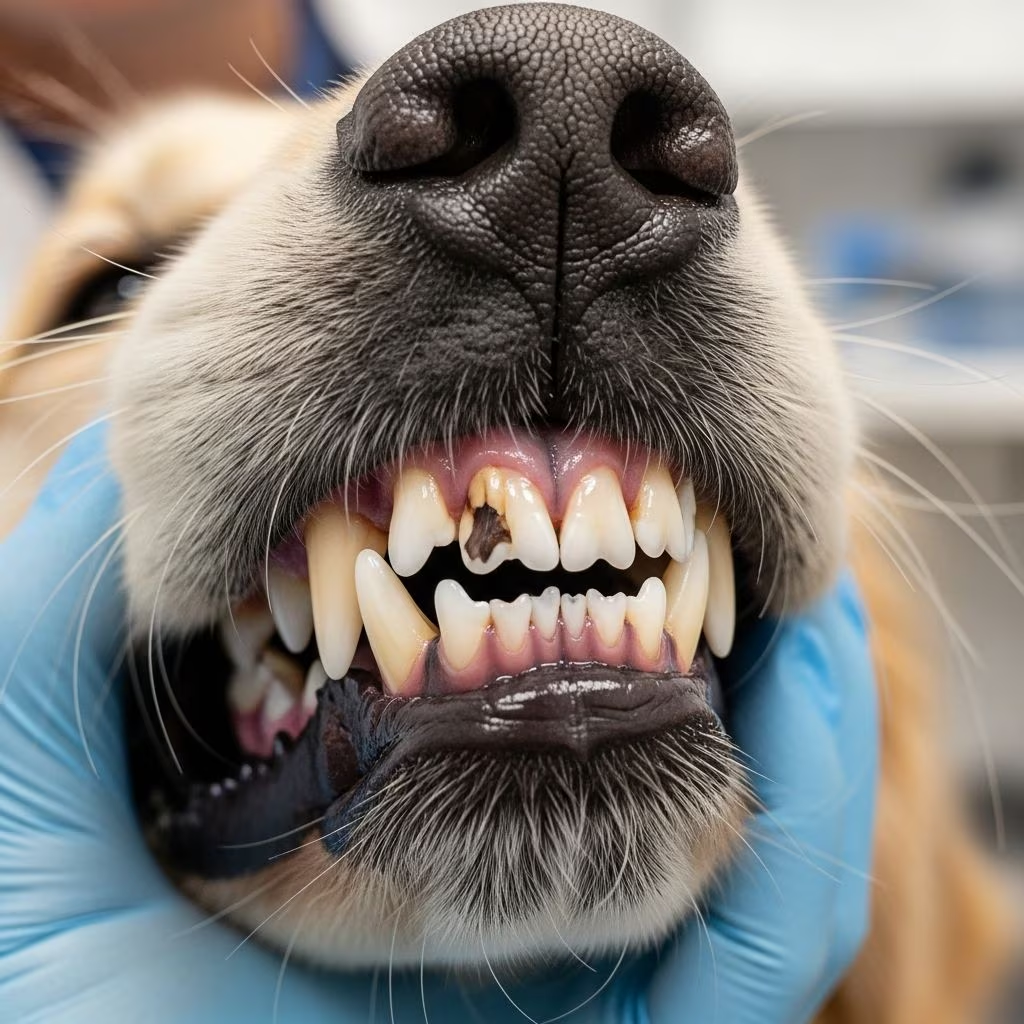
Endodontic disease targets the pulp—the vital core of teeth containing nerves, blood vessels, and connective tissue—in dogs and cats. This condition, prevalent in more than 10% of dogs, often stems from trauma and leads to inflammation or necrosis if untreated. Pets mask discomfort, making routine dental checks essential for early intervention.
Understanding the Pulp’s Role in Pet Teeth
The dental pulp acts as the tooth’s lifeline, supplying nutrients and sensation. In small animals, teeth endure heavy chewing forces, heightening vulnerability to injury. Unlike humans, where decay dominates, pets rarely develop cavities; trauma accounts for most cases. Pulp damage disrupts blood flow, sparking inflammation known as pulpitis, which can progress to infection or death of the tissue.
Primary Triggers of Pulp Damage
- Tooth Fractures: Chewing hard objects like rocks or toys often causes crown fractures exposing the pulp chamber.
- Blunt Force Trauma: Impacts without visible cracks can swell the pulp, cutting off circulation.
- Periodontal Progression: Advanced gum disease may invade the pulp via root apex.
- Wear and Erosion: Attrition or rare caries can breach enamel.
- Iatrogenic Factors: Treatment errors occasionally harm pulp.
Fractures classify as uncomplicated (no pulp exposure) or complicated (direct exposure), with the latter demanding urgent care.
Recognizing Hidden Symptoms
Pets exhibit stoic behavior, eating despite agony. Subtle cues include:
- Tooth discoloration, signaling pulp death.
- Facial or gingival swelling from abscesses.
- Nasal discharge, epistaxis, or ocular issues from maxillary tooth involvement.
- Draining tracts on face or mucosa.
- Loose teeth or pain on probing.
Chronic cases fatigue pets subtly, underscoring full exams’ value.
Diagnostic Approaches for Confirmation
Visual inspection spots fractures or color shifts, but radiographs reveal subsurface issues like widened pulp chambers, periapical rarefaction, or root fractures. Transillumination differentiates vital (translucent) from non-vital (opaque) teeth. Explorer probing elicits pain in exposed canals. Every anesthetic dental procedure mandates full-mouth radiographs.
| Diagnostic Tool | What It Detects | Advantages |
|---|---|---|
| Visual Exam | Fractures, discoloration, swelling | Quick, non-invasive |
| Dental Radiographs | Periapical lysis, widened pulp, root issues | Definitive for hidden pathology |
| Transillumination | Pulp vitality | Simple bedside test |
| Probing | Pulp exposure, sensitivity | Pinpoints pain sources |
Treatment Options: Preservation vs. Removal
Treatment eradicates infection sources. Choices hinge on tooth significance, patient age, and owner goals.
Vital Pulp Therapy for Early Cases
In young pets (<2 years) with reversible pulpitis, this caps exposed pulp, applies medicaments to foster healing and dentin bridging. Success wanes post-maturity; antibiotics aid but rarely suffice alone.
Standard Root Canal Therapy
Ideal for strategic teeth (carnassials, canines), this salvages function. Steps include:
- Access pulp chamber under anesthesia.
- Ream canals with files to excise necrotic tissue.
- Irrigate with disinfectants.
- Fill with biocompatible cement (e.g., gutta-percha).
- Seal crown with composite or amalgam.
Post-procedure, monitor via radiographs; success exceeds 90% in skilled hands.
Surgical Extraction as Reliable Alternative
For compromised teeth or non-strategic ones, extraction removes infection swiftly. Multi-rooted teeth require sectioning. Healing follows naturally, though large extractions prolong recovery. Avoid antibiotics as sole fix; they mask but don’t cure.
| Treatment | Pros | Cons | Best For |
|---|---|---|---|
| Root Canal | Preserves tooth, function, aesthetics | Costly, technical, follow-up needed | Strategic teeth, working dogs |
| Extraction | Quick, definitive, low re-infection risk | Loss of tooth, potential gaps | Non-vital, fractured, periodontal cases |
| Vital Pulp Therapy | Retains vitality in juveniles | Low success in adults | Young pets, minor exposures |
Complications and Prognosis
Untreated, pulp necrosis fosters abscesses, bone loss, and systemic spread. Root canals boast high success if sealed properly; failures stem from incomplete cleaning or crown leaks. Extracted sites heal reliably. Regular checks post-therapy prevent relapses.
Preventive Strategies for Owners
Proactive care curbs risks:
- Provide compliant chews, avoiding rocks/ice.
- Schedule annual dental cleanings with radiographs.
- Inspect for wear/fractures routinely.
- Use oral rinses or diets for plaque control.
Early detection via home exams aids vets.
FAQs on Pet Endodontic Care
Can my pet feel pain from a dead tooth?
Yes, though subtly; infection causes chronic ache.
Is root canal safe for cats?
Absolutely, mirroring canine protocols for key teeth.
How much does treatment cost?
Varies; root canals $800–$2000 per tooth, extractions less.
What if my pet has facial swelling?
Seek immediate vet care—likely abscess requiring intervention.
Will extracted teeth regrow?
No, permanent teeth don’t regenerate.
Choosing a Veterinary Dentist
Seek AVDC-boarded specialists for complex cases. They excel in radiography, endodontics, boosting outcomes. General vets handle basics, but referrals ensure expertise.
References
- Proper Therapy for Endodontic Disease — Today’s Veterinary Practice. 2023. https://todaysveterinarypractice.com/dentistry/practical-dentistry-proper-therapy-for-endodontic-disease/
- Endodontic Disease — Safari Veterinary Care Centers. 2024. https://www.safarivet.com/care-topics/dogs-and-cats/dentistry/endodontic-disease/
- Endodontic Disease in Dogs: A Quick Guide — PetCareRx. 2023. https://www.petcarerx.com/article/endodontic-disease-in-dogs-a-quick-guide/6364
- Fundamentals of endodontics — PubMed (University of Illinois). 2005-06-01. https://pubmed.ncbi.nlm.nih.gov/15979516/
- Treating Endodontic Disease in Veterinary Patients — University of Illinois College of Veterinary Medicine. 2024-01-24. https://vetmed.illinois.edu/2024/01/24/treating-endodontic-disease-in-veterinary-patients/
- Root Canal Therapy — Pet Dental Center. 2024. https://petdental.center/root-canal-therapy/



