
Endodontic Disorders In Horses: 3 Key Treatments & Diagnosis
Exploring the causes, detection, and advanced therapies for pulp-related dental issues in equines to enhance horse health and performance.
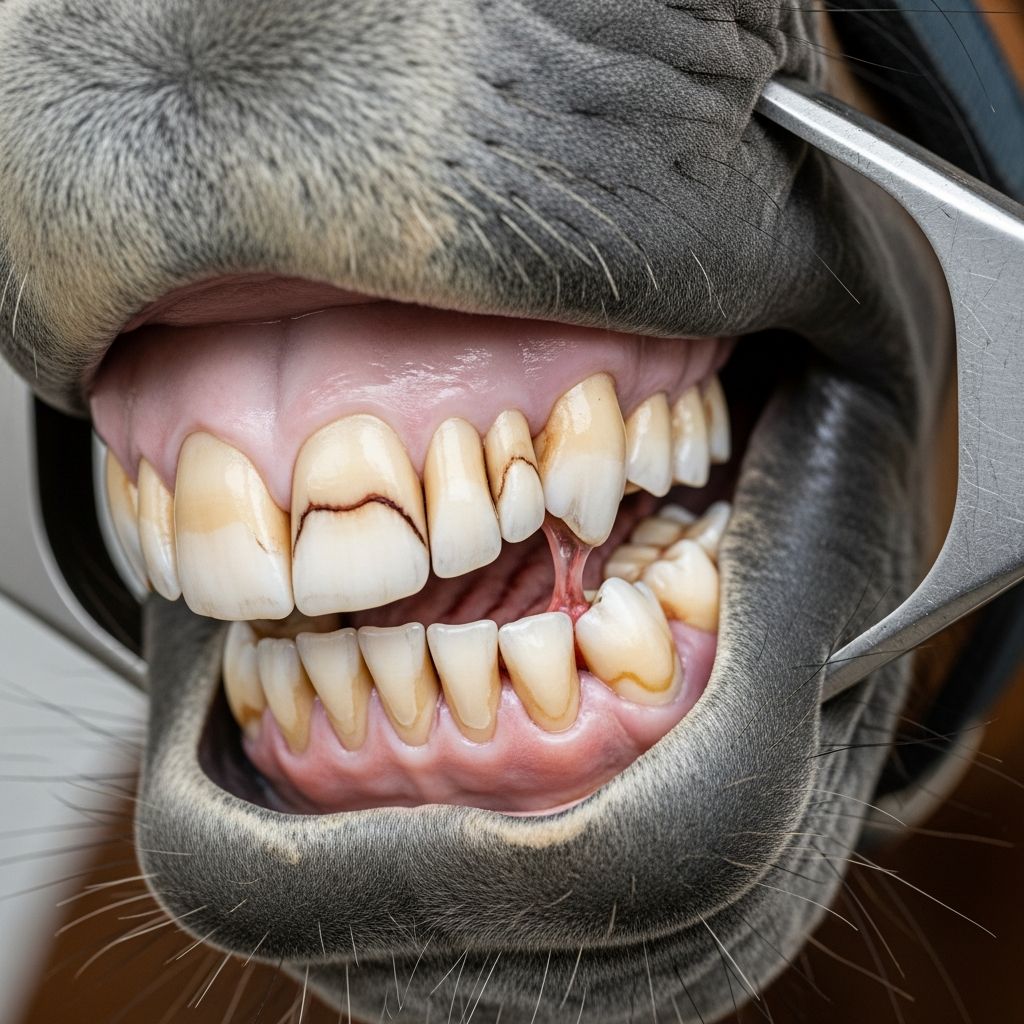
Endodontic disorders in horses involve inflammation or infection of the tooth pulp, the vital inner tissue housing nerves and blood vessels. These conditions often stem from trauma, deep decay, or progressive resorption processes, leading to pain that impacts eating, performance, and overall well-being. Early intervention is crucial to prevent complications like abscesses or tooth loss.
Understanding the Equine Dental Pulp and Its Vulnerabilities
The dental pulp in horses is a dynamic structure that sustains tooth vitality throughout the animal’s life. Unlike humans, equine teeth continuously erupt, making the pulp susceptible to wear-related exposure. Factors such as cracks from chewing hard forage or direct injuries during falls can introduce bacteria, initiating pulpitis—an inflammatory response that may evolve into irreversible damage.
In older horses, particularly those over 15 years,
EOTRH (Equine Odontoclastic Tooth Resorption and Hypercementosis)
emerges as a prevalent endodontic challenge. This syndrome triggers odontoclasts—cells that break down tooth structure—resulting in root resorption alongside excessive cementum buildup, forming bulbous roots prone to fracture and secondary infections.Recognizing Clinical Manifestations
Symptoms of endodontic disease vary by stage and tooth type. Initial signs are subtle: slight reluctance to chew tough hay, mild halitosis, or gum redness. As pathology advances, horses display drooling, head tossing, quidding (dropping partially chewed food), weight loss, and behavioral shifts like resistance to bridling.
- Incisor involvement: Common in EOTRH; visible red spots or draining tracts near gums, tooth mobility, fractures.
- Cheek teeth issues: Subtle eating changes, sinus drainage if maxillary teeth affected, evasive head movements under saddle.
- Advanced indicators: Swollen jaw, foul breath, difficulty grazing, leading to malnutrition.
Horses may mask pain stoically, delaying owner detection until radiographs reveal periapical rarefactions—darkened root-tip areas signaling abscesses.
Diagnostic Approaches for Accurate Assessment
Veterinary evaluation begins with a comprehensive oral exam under sedation, using mirrors, lights, and probes to inspect occlusal surfaces and periodontal health.
Radiography
is indispensable, employing angled views to detect pulp chamber widening, root resorption, or alveolar bone loss.Advanced imaging like cone-beam CT offers 3D precision for complex cases, identifying infundibular caries (deep peripheral decay) or periapical infections missed on standard X-rays. Intraoral exploration confirms vitality via response to thermal stimuli or electric pulp testing, though less reliable in sedated equines.
| Diagnostic Tool | Purpose | Advantages |
|---|---|---|
| Visual/Oral Exam | Detect fractures, caries, inflammation | Non-invasive, immediate |
| Radiography | Assess root, pulp, bone changes | Reveals hidden pathology |
| Cone-Beam CT | 3D root/apex evaluation | High detail for treatment planning |
Therapeutic Strategies: From Preservation to Removal
Treatment selection hinges on infection extent, tooth location, and horse value. Preservation techniques suit early cases, while extractions resolve irreversible damage.
Vital Pulp Therapy (VPT)
For superficial exposures with viable pulp margins, VPT caps the site with calcium hydroxide or mineral trioxide aggregate (MTA) to stimulate dentin bridges. Performed standing with local blocks, this boasts high success in young teeth.
Root Canal Therapy (RCT)
RCT addresses mature infections: access via occlusal drilling, pulp extirpation with files, irrigation (sodium hypochlorite), obturation with gutta-percha or sealants. Dual sessions may optimize disinfection, yielding 75-80% long-term success for incisors/cheek teeth.
Surgical and Oral Extractions
Irreparable cases, especially EOTRH-affected incisors, necessitate extraction. Modern oral methods under heavy sedation surpass repulsion, minimizing sinus risks. Post-op, soft feeds and antibiotics aid healing; most resume eating within days.
For cheek teeth, trephination or lateral buccotomy accesses roots, followed by alveoloplasty for socket closure.
- Success metrics: VPT/RCT: 80% retention; Extraction: 95% resolution of pain/infection.
- Complications: Rare alveolar sequestration managed by flushing/curettage.
Post-Treatment Management and Recovery
Recovery protocols emphasize pain control (NSAIDs, opioids), antimicrobials, and diet: soaked hay, mashes for 2-4 weeks. Bitless riding for incisor cases prevents socket trauma.
Follow-up radiographs at 1-3 months confirm healing; many horses exhibit brighter demeanor post-relief. Competing athletes benefit from off-season scheduling.
Preventive Measures and Routine Monitoring
Annual dental floats by certified practitioners catch early caries/infudibula. For seniors, baseline incisor radiographs screen EOTRH. Nutritional balance—avoiding excess sugars—curbs decay.
Owner vigilance for behavioral cues prompts prompt vet calls, preserving performance longevity.
Frequently Asked Questions (FAQs)
What causes endodontic disease in horses?
Primarily trauma, unchecked caries, or EOTRH in aged equines; multifactorial etiology.
Can horses live comfortably without incisors?
Yes; many thrive post-EOTRH extractions, adapting grazing with improved vitality.
How much does equine RCT cost?
Varies by case; expect higher for specialized equipment/expertise, often $1,500-$5,000 per tooth.
Is sedation safe for dental procedures?
Standing sedation with nerve blocks is standard, low-risk for healthy horses.
When should I worry about my horse’s bad breath?
If paired with eating reluctance or gum issues, seek radiographic evaluation promptly.
Emerging Trends in Equine Endodontics
Recent advances include bioactive sealers, laser disinfection, and regenerative scaffolds, boosting RCT efficacy. Research into EOTRH genetics promises prevention. Owners partnering with equine dentists ensure superior outcomes.
References
- EOTRH – Dental Disease In Horses: Common Causes Symptoms & Treatment — Advanced Equine Hospital. 2023. https://www.advancedequinehv.com/eotrh-dental-disease-in-horses-common-causes-symptoms-treatment/
- Tooth infections in horses and the treatments that are available — Horse & Hound. 2023-10-01. https://www.horseandhound.co.uk/horse-care/vet-advice/horse-tooth-infection-treatment-910545
- EOTRH Syndrome — Midwest Veterinary Dental Services. 2024. https://midwestvetdental.com/equine-dentistry/eotrh-syndrome/
- Equine Odontoclastic Tooth Resorption and Hypercementosis (EOTRH) — UC Davis Center for Equine Health (.edu). 2023. https://ceh.vetmed.ucdavis.edu/health-topics/equine-odontoclastic-tooth-resorption-and-hypercementosis-eotrh
- Dental disease – common problems and management — Vet Times. 2023. https://www.vettimes.com/news/vets/equine/dental-disease-common-problems-and-management
- Endodontic Disease in Horses — MSD Veterinary Manual. 2024-01-24. https://www.msdvetmanual.com/digestive-system/dentistry-in-horses/endodontic-disease-in-horses
- Description of a technique for orthograde endodontic treatment — BEVA (Wiley Online Library). 2018. https://beva.onlinelibrary.wiley.com/doi/10.1111/eve.12540
Similar Articles








Read full bio of medha deb


