

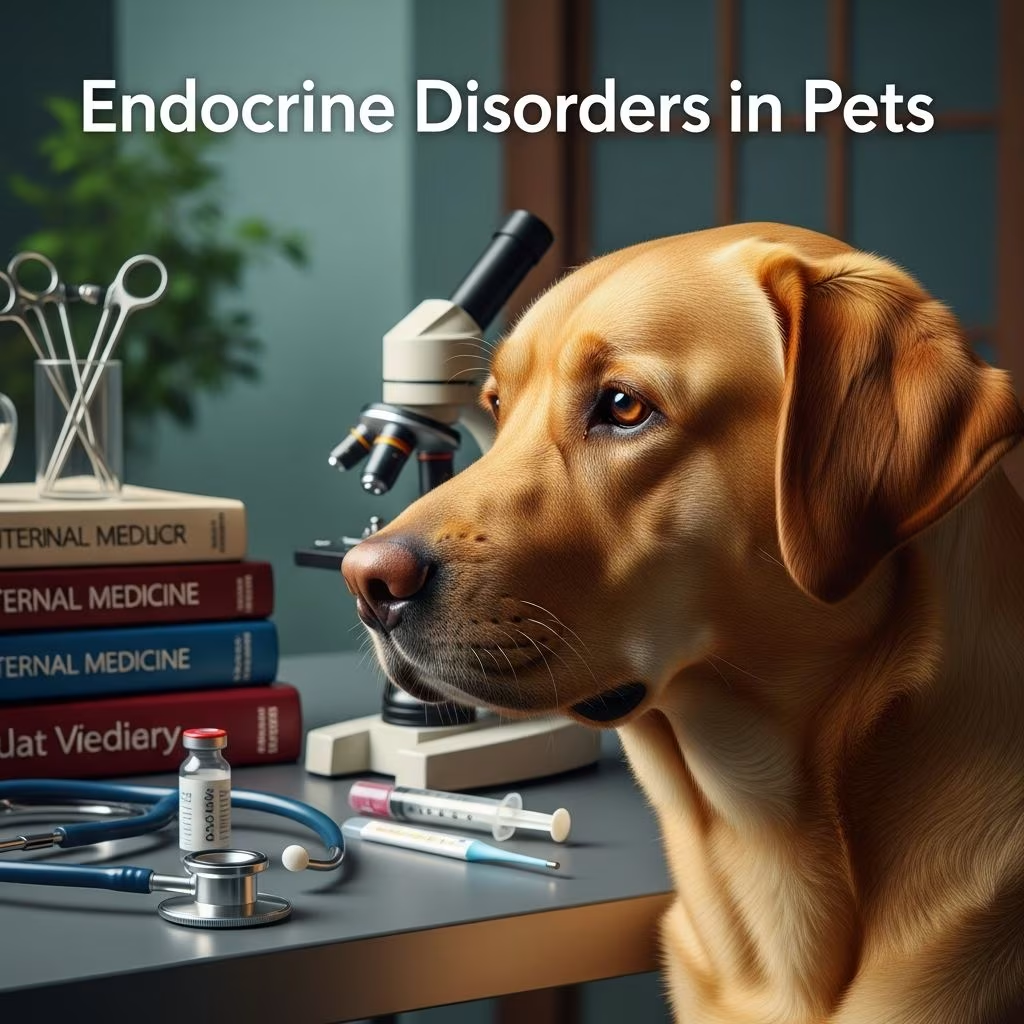
Hormonal imbalances represent a significant category of health issues in companion animals, particularly dogs and cats. These conditions arise when glands produce too much or too little of essential hormones, disrupting normal body functions. While less prevalent in livestock, they are frequently encountered in small pets, demanding prompt veterinary attention for effective management.
Fundamentals of the Endocrine System
The endocrine system comprises glands such as the thyroid, adrenal, pituitary, parathyroid, and pancreas that secrete hormones directly into the bloodstream. These chemical messengers regulate metabolism, growth, reproduction, and stress responses. Disruptions lead to widespread effects, from weight changes to organ dysfunction.
In pets, primary issues stem from gland abnormalities like tumors or atrophy, while secondary problems involve regulatory glands like the pituitary. Understanding these dynamics is crucial for diagnosis and therapy.
Prevalent Endocrine Conditions by Gland
Endocrine diseases vary by species and gland affected. Dogs commonly face hypothyroidism and diabetes, whereas cats often develop hyperthyroidism and a type II diabetes variant.
Thyroid Gland Imbalances
The thyroid controls metabolism via thyroxine (T4) and triiodothyronine (T3). In dogs, primary hypothyroidism—often from immune-mediated destruction—manifests as lethargy, hair loss, weight gain, and cold intolerance. It’s prevalent in breeds like Golden Retrievers.
Conversely, cats frequently suffer hyperthyroidism, where thyroid adenomas overproduce hormones, causing weight loss despite ravenous appetite, hyperactivity, vomiting, and heart murmurs. This condition dominates feline endocrine cases.
Adrenal Gland Disorders
Adrenal glands produce cortisol and aldosterone. Hyperadrenocorticism (Cushing’s syndrome) results from pituitary tumors (85% of cases) or adrenal tumors, leading to pot-bellied appearance, excessive thirst/urination, panting, and thin skin in dogs. Ferrets experience a steroid-secreting variant.
Hypoadrenocorticism (Addison’s disease) involves cortisol and aldosterone deficiency, causing collapse, vomiting, diarrhea, and electrolyte imbalances. It’s sporadic but life-threatening without treatment.
Pancreatic Issues: Diabetes Mellitus
Diabetes mellitus disrupts glucose regulation. Type I, common in dogs, features insulin deficiency from beta-cell loss, prompting excessive hunger, thirst, urination, and cataracts. Type II in cats involves insulin resistance alongside variable production, linked to obesity.
Untreated, it progresses to ketoacidosis, a medical emergency with acidosis and dehydration.
Parathyroid and Calcium Regulation
Parathyroid glands manage calcium via PTH. Hypoparathyroidism, rare, causes low calcium, leading to seizures and muscle tremors post-surgical removal. Hyperparathyroidism, occasionally seen in dogs, elevates calcium, potentially from tumors or kidney disease.
Paraneoplastic syndromes, like PTH-related protein from tumors, mimic these effects.
Mechanisms Behind Hormonal Disruptions
Hyperfunction often arises from adenomas, hyperplasia, or ectopic hormone production. For instance, pituitary adenomas drive adrenal overactivity in Cushing’s disease.
Hypofunction typically involves autoimmune destruction, as in lymphocytic thyroiditis in dogs or beta-cell loss in canine diabetes. Resistance phenomena, like insulin insensitivity in feline type II diabetes or nephrogenic diabetes insipidus, compound issues.
Secondary effects include renal disease stimulating PTH excess or infections impairing hormone response.
Recognizing Symptoms Across Species
- Dogs: Lethargy, skin changes, polyuria/polydipsia (PU/PD), pot belly (Cushing’s), collapse (Addison’s), obesity/hair loss (hypothyroidism).
- Cats: Weight loss with polyphagia, hyperactivity (hyperthyroidism), PU/PD, plantigrade stance (diabetes).
- Other Pets: Ferrets show steroid alopecia; horses may have equine Cushing’s (PPID) with hirsutism.
Symptoms overlap with other diseases, necessitating thorough diagnostics.
Diagnostic Approaches
Veterinarians employ blood tests, imaging, and stimulation/suppression protocols. Key tools include:
- Thyroid: Baseline T4, TSH; TSH stimulation for hypothyroidism.
- Adrenal: ACTH stimulation, low-dose dexamethasone suppression, endogenous ACTH levels.
- Diabetes: Glucose curves, fructosamamine, urinalysis.
- Parathyroid: Ionized calcium, PTH assays.
Ultrasound, scintigraphy (thyroid), and biopsies aid in pinpointing tumors.
Treatment Strategies
Therapies target hormone restoration or blockade:
| Condition | Treatment | Notes |
|---|---|---|
| Hypothyroidism (dogs) | Levothyroxine supplementation | Lifelong, monitor T4 levels |
| Hyperthyroidism (cats) | Methimazole, radioiodine, surgery | Radioiodine curative in 95% |
| Cushing’s (dogs) | Trilostane, mitotane | Monitor electrolytes |
| Addison’s | Desoxycorticosterone, prednisone | Mineralocorticoid essential |
| Diabetes | Insulin injections, diet | Twice-daily for dogs |
Supportive care includes diet modification, fluid therapy for crises, and addressing complications like infections.
Species-Specific Considerations
Dogs
Middle-aged to older dogs predominate. Breeds like Dachshunds (Cushing’s), Labradors (hypothyroidism) are prone. Prognosis excels with early intervention; diabetes requires owner commitment.
Cats
Senior cats (>10 years) face hyperthyroidism risks. Diabetic cats may remit with weight loss and glipizide alongside insulin.
Exotic Pets
Ferrets’ adrenal disease demands surgery or deslorelin implants. Horses’ PPID uses pergolide.
Preventive Measures and Prognosis
Obesity control prevents feline diabetes. Regular senior screenings catch issues early. Most conditions are manageable lifelong, with good quality of life.
Acute crises like Addisonian shock or ketoacidosis demand hospitalization but respond well to aggressive care.
Frequently Asked Questions (FAQs)
What are the first signs of endocrine disease in my pet?
Common early indicators include increased thirst/urination, unexplained weight changes, lethargy, or coat issues. Consult a vet promptly.
Can endocrine disorders be cured?
Some, like feline hyperthyroidism via radioiodine, offer cures; others require lifelong management like insulin for diabetes.
Is diet important in managing these conditions?
Yes, low-carb diets aid diabetic cats; prescription foods support thyroid/adrenal balance.
How often should my pet be monitored?
Initially monthly post-diagnosis, then every 3-6 months, with bloodwork.
Are certain breeds more susceptible?
Yes, e.g., Boxers for hypothyroidism, Beagles for Cushing’s.
Advances in Veterinary Endocrinology
Recent developments include continuous glucose monitors for diabetics and targeted therapies for ferrets. Research highlights animal models’ value for human diseases, like feline type II diabetes mirroring human patterns.
Genetic testing for predispositions emerges, enhancing breeding and early detection.
References
- Common Endocrine Diseases in Small Animals — MSD Veterinary Manual. 2023. https://www.msdvetmanual.com/multimedia/table/common-endocrine-diseases-in-small-animals
- Endocrine Diseases in Animals — Merck Veterinary Manual. 2023-10-15. https://www.merckvetmanual.com/endocrine-system/endocrine-system-introduction/endocrine-diseases-in-animals
- Endocrine Diseases in Dogs — Ascot Veterinary Hospital. 2022. https://ascotvet.com.au/endocrine-diseases-of-dogs/
- Endocrine Disorders in Dogs — Vet Times. 2023. https://www.vettimes.com/news/vets/small-animal-vets/endocrine-disorders-in-dogs
- Endocrine Diseases in Animals — Hormone Research in Paediatrics (Karger). 2008-11-01. https://karger.com/hrp/article/71/Suppl.%201/144/369944/Endocrine-Diseases-in-Animals



