

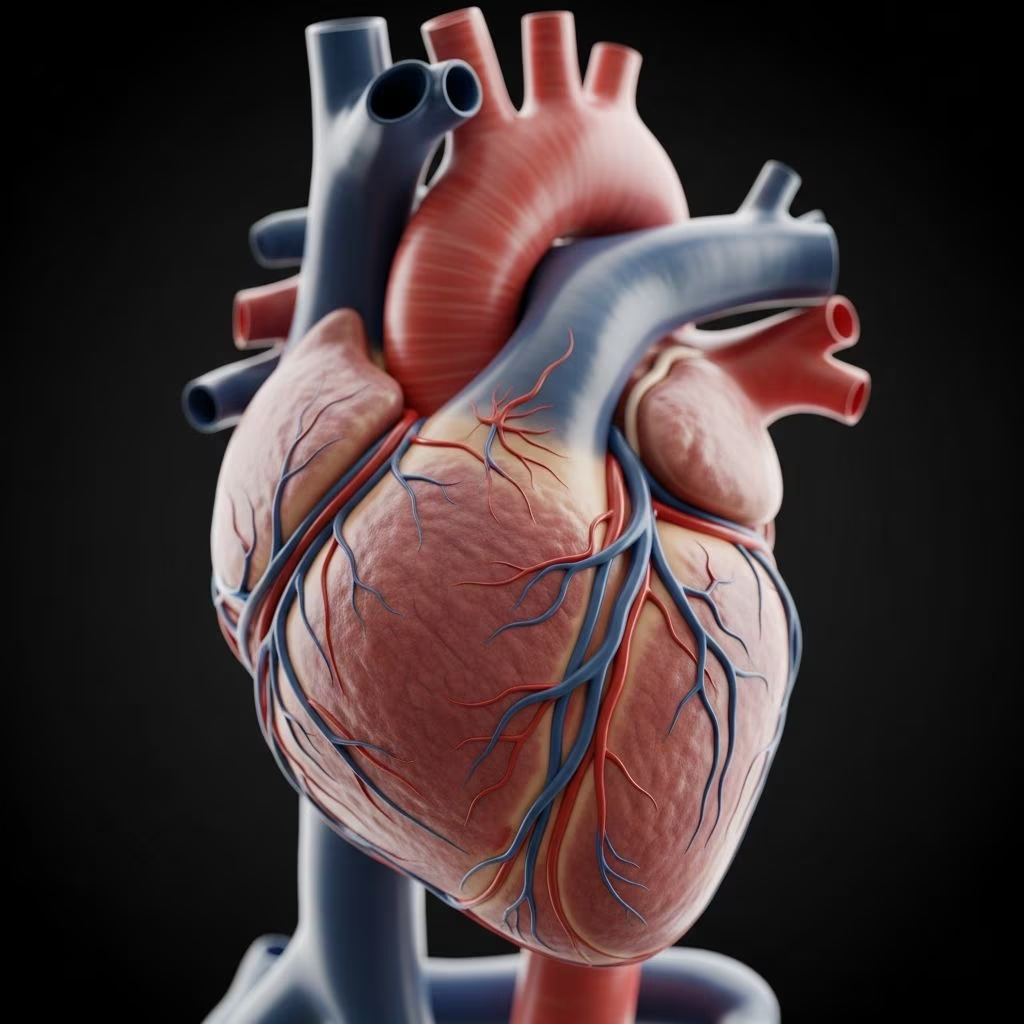
Understanding Endocarditis in Dogs
Endocarditis is a serious cardiac condition that occurs when the inner lining of the heart becomes inflamed due to bacterial or other microbial infections. This condition primarily affects the heart valves, particularly the mitral and aortic valves, and can lead to progressive valve damage if left untreated. Understanding the nature of endocarditis is crucial for dog owners, as early recognition and intervention can significantly improve treatment outcomes.
In dogs, endocarditis represents a significant health concern, particularly in middle-aged and large-breed animals. The condition develops when bacteria or other pathogens enter the bloodstream and lodge on the heart valves, creating localized infections that gradually destroy valve tissue. This progressive damage typically results in valvular insufficiency, where the affected valves fail to function properly and allow blood to leak backward through the heart chambers.
What Causes Endocarditis in Dogs
Endocarditis develops through a complex process involving both bacterial infection and predisposing factors that make the heart valves vulnerable to infection. Understanding these causes helps pet owners identify potential risk factors and take preventive measures.
Bacterial Sources and Infection Routes
The primary cause of endocarditis in dogs is bacterial infection, with several common bacterial species responsible for the majority of cases. Staphylococcus, Streptococcus, Escherichia coli, and Klebsiella species are frequently isolated from infected heart valves. Additionally, Bartonella has emerged as a recognized cause of aortic valve endocarditis in dogs. Bacteria can enter the bloodstream through various routes, including open wounds, infected tissues, and dental disease.
Common Risk Factors
Several conditions and procedures increase a dog’s susceptibility to developing endocarditis:
– Dental disease and poor oral hygiene, which can allow bacteria to enter the bloodstream- Surgical procedures and catheterization, particularly those involving venous or arterial access- Open wounds, abscesses, or bite injuries that provide entry points for bacteria- Existing heart conditions such as subaortic stenosis or mitral valve dysfunction- Immunosuppression from medications like steroids or chemotherapy drugs- Weak immune system or immunodeficiency- Bacteremia or existing bacterial infections in other body systems
Predisposed Populations
Certain dogs face higher risks for developing endocarditis. Middle-aged and large-breed dogs are particularly predisposed to this condition. Males are more commonly affected than females. Dogs with pre-existing cardiac conditions or those recovering from recent surgical procedures face elevated risk levels.
Recognizing the Signs of Endocarditis
The clinical presentation of endocarditis can be highly variable and often subtle, particularly in the early stages of disease. Signs may develop gradually over time, making diagnosis challenging for both owners and veterinarians. Early recognition of these symptoms is essential for prompt intervention.
Early and Non-Specific Symptoms
In the initial stages, dogs with endocarditis typically display vague signs of illness that may not immediately suggest a cardiac problem. These early indicators include lethargy, weight loss, and general malaise. Affected dogs may seem less interested in activity and may lose their appetite. A persistent or intermittent fever is often one of the first signs detected by veterinarians during examination.
Progressive Clinical Signs
As the disease advances, more specific symptoms emerge:
– Fever that may be chronic, intermittent, or continuous- Lameness or shifting leg lameness without apparent injury- Painful or swollen joints- Reluctance to move or exercise intolerance- Cough and difficulty breathing- Tachypnea (rapid breathing)- Behavioral changes or depression- Vomiting or gastrointestinal disturbances
Heart Failure Complications
When infection damages the mitral or aortic valves significantly, acute heart failure may develop. This results in more severe respiratory symptoms including pulmonary edema, dyspnea (labored breathing), and a productive cough. High systolic blood pressure may be detected during physical examination. In severe cases, neurological symptoms such as seizures or an unstable gait may occur.
Diagnosing Endocarditis
Diagnosing endocarditis in dogs requires a combination of clinical examination, laboratory testing, and imaging studies. The diagnostic process helps confirm the presence of infection and assess the extent of cardiac damage.
Initial Assessment
Your veterinarian will begin by obtaining a detailed history of your dog’s health, including information about symptom onset, recent illnesses or injuries, any surgical procedures, and medication history. A complete physical examination will be performed, with particular attention to heart sounds and overall cardiovascular status.
Laboratory Testing
Laboratory tests provide crucial information for diagnosis:
– Complete blood count (CBC) to identify infection markers- Biochemistry profile to assess organ function- Urinalysis to detect urinary tract involvement- Blood cultures to identify the specific bacterial organism causing infection- Bacterial sensitivity studies to guide antibiotic selection
Cardiac Imaging
Echocardiography is the primary imaging technique for diagnosing endocarditis. This ultrasound examination allows visualization of the heart valves and identification of vegetations (collections of bacteria, fibrin, and platelets) on the valve surfaces. Chest X-rays may be recommended to assess for pulmonary edema or other complications. Additional cardiac testing may be indicated to evaluate heart function and detect arrhythmias.
Treatment Options for Endocarditis
Treatment of endocarditis focuses on three primary objectives: controlling clinical signs of heart failure, resolving arrhythmias, and sterilizing the infected lesion to prevent recurrent infections. Long-term antibiotic therapy forms the cornerstone of treatment, often supplemented with supportive care.
Antibiotic Therapy
Prolonged antibiotic courses form the primary treatment for endocarditis, typically lasting four to six months or longer. Initial treatment often involves parenteral antimicrobials administered for one to two weeks, followed by oral antibiotics for at least six to eight weeks. Broad-spectrum antibiotics are initially used, with the regimen adjusted based on bacterial culture results and sensitivity studies.
Common initial antibiotic combinations include ampicillin plus gentamicin, enrofloxacin, or cephalothin plus gentamicin. As bacterial sensitivity results become available, the antibiotic regimen may be adjusted to target the specific organism identified. Medications such as Doxycycline or Clavamox may be prescribed based on the particular infection identified.
Heart Failure Management
When heart failure develops due to valve damage, additional medications become necessary. These typically include diuretics such as furosemide to reduce fluid accumulation, ACE inhibitors to decrease cardiac workload, and pimobendan to improve heart contractility. Pain medications may be prescribed to manage joint pain or body aches associated with the infection.
Supportive Care
Dogs with endocarditis often require hospitalization for intensive care and monitoring. Intravenous fluid therapy helps maintain proper hydration and electrolyte balance. Oxygen therapy may be necessary if respiratory distress develops. Your veterinarian may recommend a special diet designed to support cardiovascular and organ health.
Surgical Intervention
In severe cases where valves are extensively damaged, surgical repair or replacement of affected valves may be considered. However, surgery is typically reserved for cases where medical management has failed or where the extent of valve destruction is so severe that prognosis with medical treatment alone is poor.
Monitoring and Follow-Up Care
Throughout the treatment course, your dog will require regular monitoring to ensure the infection is responding to antibiotics and to manage any long-term cardiac effects. Monitoring typically includes chest X-rays at intervals, blood tests to assess response to treatment, and additional heart testing as indicated by your veterinarian’s clinical judgment.
Weekly follow-up examinations may be necessary in the early treatment phase, with visits becoming less frequent as the condition stabilizes. Regular monitoring helps detect complications early and allows for treatment adjustments if needed. Your veterinarian will assess your dog’s overall progress and provide guidance on activity restrictions and dietary modifications.
Prognosis and Long-Term Outlook
The prognosis for endocarditis depends on several factors, including the severity of infection, extent of valve damage, which valve is affected, and timing of diagnosis. Dogs with mild infections limited to the mitral valve typically have a more favorable prognosis. However, if the aortic valve is extensively involved, heart failure may be severe and difficult to control, resulting in a more guarded prognosis.
Early diagnosis and prompt initiation of appropriate antibiotic therapy significantly improve outcomes. Dogs that receive treatment before substantial irreversible valve damage occurs generally have better long-term survival rates. However, even with successful treatment of the infection, some degree of permanent valve damage may persist, requiring ongoing cardiac management.
Prevention Strategies
While not all cases of endocarditis can be prevented, certain measures reduce the risk of infection developing:
– Maintain excellent dental hygiene through regular brushing and professional cleanings- Address dental disease promptly to prevent bacterial spread- Prevent wounds and manage any injuries quickly to minimize infection risk- Use aseptic technique during any surgical procedures or catheterizations- Maintain a strong immune system through proper nutrition and preventive healthcare- Discuss antibiotic prophylaxis with your veterinarian if your dog has predisposing cardiac conditions
Frequently Asked Questions About Canine Endocarditis
Q: Can endocarditis in dogs be cured completely?
A: With early diagnosis and appropriate long-term antibiotic therapy, the infection can be successfully treated and sterilized. However, any permanent valve damage that occurred before treatment began may persist, potentially requiring ongoing cardiac management.
Q: How long does endocarditis treatment typically last?
A: Treatment typically involves four to six months of antibiotics, with initial parenteral therapy for one to two weeks followed by oral antibiotics for at least six to eight weeks or longer, depending on response to treatment.
Q: Is endocarditis contagious between dogs?
A: Endocarditis itself is not contagious between dogs. However, the bacterial infections that cause it could potentially be transmitted, making hygiene important when handling infected dogs.
Q: Can my dog exercise during endocarditis treatment?
A: Exercise should be restricted during treatment, as exertion can stress the damaged heart. Your veterinarian will provide specific activity restrictions based on your dog’s condition.
Q: What is the cost of treating canine endocarditis?
A: Treatment costs vary significantly depending on hospitalization duration, diagnostic testing required, and length of medication therapy. Long-term antibiotic therapy, cardiac monitoring, and possible echocardiograms can result in substantial treatment expenses. Pet insurance may help offset some costs.
Q: Should my dog receive antibiotics before dental procedures?
A: Dogs with predisposing cardiac conditions or previous endocarditis may benefit from prophylactic antibiotics before dental procedures. Discuss this with your veterinarian to determine if your dog is a candidate.
References
- Infectious Endocarditis in Dogs and Cats — Mark D. Kittleson, DVM, PhD, DACVIM-Cardiology, Department of Medicine and Epidemiology, University of California, Davis. 2024. https://www.merckvetmanual.com/circulatory-system/various-heart-diseases-in-dogs-and-cats/infectious-endocarditis-in-dogs-and-cats
- Infective Endocarditis in Dogs: Diagnosis and Therapy — PubMed Central, National Institutes of Health. 2010. https://pubmed.ncbi.nlm.nih.gov/20610018/
- Endocarditis in Dogs — VCA Animal Hospitals. 2024. https://vcahospitals.com/know-your-pet/endocarditis-in-dogs
- Infective Endocarditis in Dogs — PetCareRx. 2024. https://www.petcarerx.com/article/infective-endocarditis-in-dogs/6714
- Heart Valve Infection (Infective Endocarditis) in Dogs — PetMD. 2024. https://www.petmd.com/dog/conditions/cardiovascular/c_dg_endocarditis_infective



