

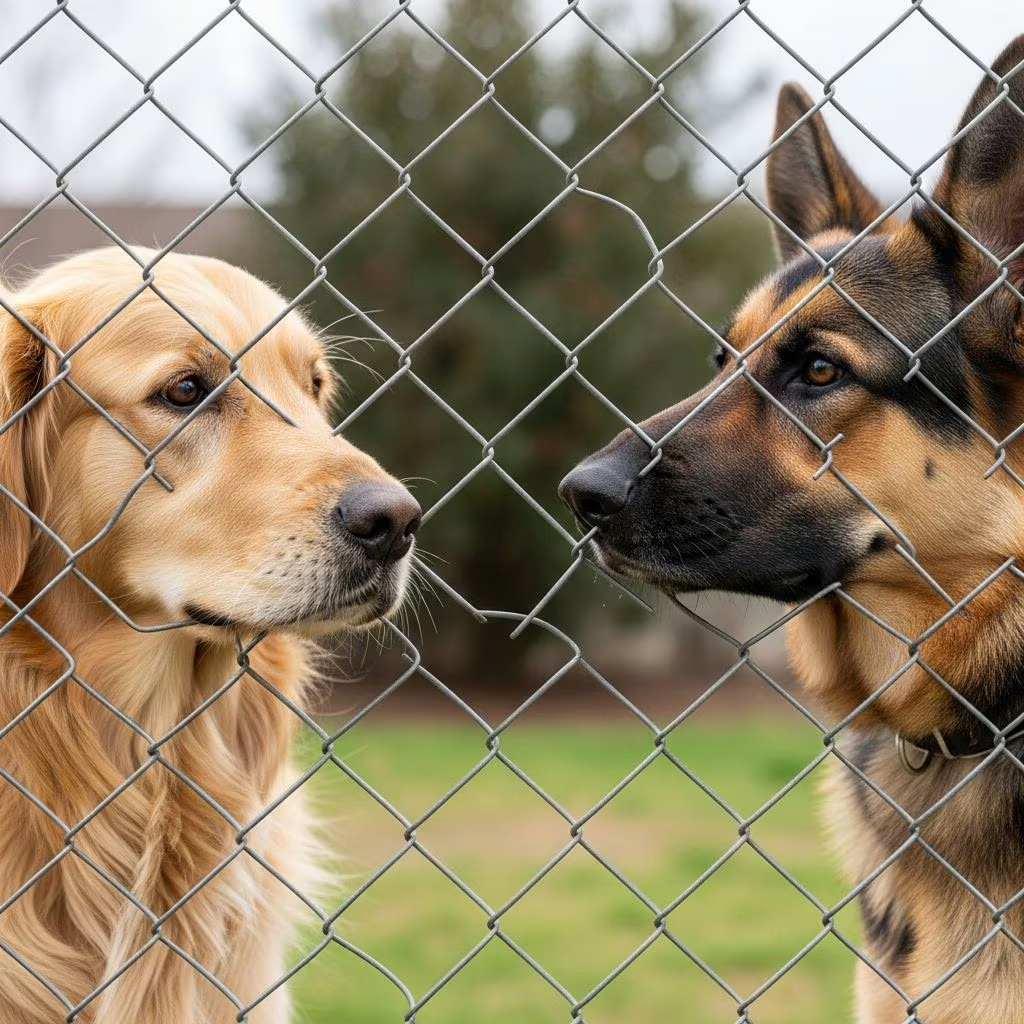
Dog fence fighting, where pets separated by barriers display intense barking, lunging, or snarling, stems primarily from territorial instincts and frustration.This behavior can be managed and resolved through a combination of environmental changes, consistent supervision, and targeted training techniques.
Understanding the Roots of Fence Reactivity
Fence fighting often arises when dogs perceive threats across yard boundaries, triggering protective responses. Unlike true dog-to-dog aggression, this reactivity is amplified by the physical barrier that prevents normal social interactions, leading to heightened arousal.Territorial fear or anticipation of intrusion prompts vocalizations and displays that escalate if rehearsed repeatedly. Dogs may appear friendly off-leash but explode into frenzy when divided by fencing, highlighting the role of the barrier itself.
Common triggers include neighboring dogs, passing wildlife, joggers, or even children. The inability to investigate or greet heightens frustration, reinforcing the cycle. Early intervention prevents habituation, as repeated practice strengthens the response.
Immediate Management: Block the Line of Sight
The fastest way to reduce incidents is eliminating visual access to triggers. Install solid fencing or visual barriers to prevent arousal from sights beyond the yard. For chain-link setups, privacy slats, mesh screens, or wooden panels effectively obscure views without full replacement.
- Opt for 6-foot solid wood or vinyl fences where possible, though costly and sometimes restricted by local rules.
- Green privacy mesh over existing fences offers a budget-friendly alternative, swiftly curbing most reactivity.
- Modify with plants or garden buffers to create natural obstructions, adding aesthetic value.
Even opaque barriers don’t fully eliminate scents or sounds, so pair with other methods. Underground electronic fences can worsen issues due to associated shocks intensifying fear.
Supervision and Daily Routines: Prevent Rehearsal
Never leave reactive dogs unsupervised outdoors. Limit yard time to monitored sessions, intervening promptly to disrupt patterns. Indoor living when alone minimizes opportunities for practice, promoting calmer habits.
| Strategy | Benefits | Implementation Tips |
|---|---|---|
| Supervised Potty Breaks | Reduces isolation-fueled reactivity | 5-10 minute leashed sessions; recall and reward calm focus |
| Indoor Default | Eliminates unsupervised episodes | Use doggy doors or scheduled walks for exercise |
| Leash Management | Allows quick interruption | Harness + short dragline; step on line to halt charges safely |
Coordinate with neighbors to stagger outdoor times, avoiding simultaneous yard access. This collaborative approach heads off confrontations proactively.
Training Techniques: Desensitize and Counter-Condition
Once management is in place, retrain responses through desensitization—gradual exposure at sub-threshold levels—and counter-conditioning, pairing triggers with positives.
- Identify Thresholds: Note distance/speed where reactivity starts; begin exposures well below this.
- Treat Delivery: Use high-value rewards like chicken; toss as triggers (e.g., distant dogs) appear, building positive associations.
- Focus Exercises: Teach “look at me” or recall; reward ignoring fence for attention or toys.
- Progression: Gradually decrease distance/increase intensity, always ending on success.
Consistency is key; sessions of 5-10 minutes daily yield results. Professional trainers aid complex cases.
Advanced Barriers: Double Fencing and Airlocks
For persistent fighters, create separation zones. Double fences or airlocks form a buffer strip (6-12 inches wide) between properties, deterring contact while allowing yard use.
- Inner fence keeps your dog back; outer adds protection from intrusions like probing hands.
- Costly but durable; fill with shrubs for added deterrence.
- Not foolproof for runners but reduces physical clashes.
Eliminate attractants: Secure stray animals or use repellents for wildlife, addressing root stimuli.
Potential Risks and When to Seek Help
Unaddressed fence fighting risks injury from collisions, stress-related health issues, or escalation to off-fence aggression. It rehearses poor social skills, reinforcing fear over time. Puppies and high-energy breeds are prone; spay/neuter may temper intensity.
Consult vets to rule out pain/medical triggers. If behaviors persist despite management, certified trainers or behaviorists provide tailored plans.
Long-Term Success: Building a Peaceful Yard
Combine strategies for lasting calm: solid barriers + supervision + training. Track progress in a journal, celebrating milestones like quiet neighbor-dog sightings. Enrich indoors with puzzles, walks, and play to fulfill needs, reducing overall arousal.
Patient, positive methods transform fence wars into harmonious coexistence, ensuring safe enjoyment for dogs and owners alike.
Frequently Asked Questions (FAQs)
Why do friendly dogs fence fight?
Barriers prevent normal greetings, fueling territorial frustration despite off-leash compatibility.
Can fence fighting lead to real aggression?
Yes, rehearsed reactivity can generalize, heightening risks in unleashed scenarios.
How long until training works?
Weeks to months with daily consistency; management speeds results.
Is shock fencing helpful?
No, it often exacerbates fear and aggression.
What if my neighbor’s dog starts it?
Focus on your dog’s controllables; polite neighbor chats aid cooperation.
References
- Solve Fence Aggression with a Better Dog Fence — Whole Dog Journal. 2023-05-15. https://www.whole-dog-journal.com/behavior/leash-barrier-reactivity/solve-fence-aggression-with-a-better-dog-fence/
- How to Stop a Dog from Fence Fighting — Applause Your Paws. 2024-02-10. https://www.applauseyourpaws.com/how-to-stop-a-dog-from-fence-fighting/
- How to Stop Dog Fence Fighting — American Kennel Club (AKC). 2025-01-20. https://www.akc.org/expert-advice/training/how-to-stop-dog-fence-fighting/
- Dog Fence Fighting: Tips to Stop Dog Confrontations — Dog Gone Problems. 2023-11-05. https://www.doggoneproblems.com/thor-stop-fence-fighting/
- Dog Fence Fighting: What It Is & How to Stop It — Hill’s Pet Nutrition. 2024-08-12. https://www.hillspet.com/dog-care/training/how-to-stop-dog-fence-fighting



