

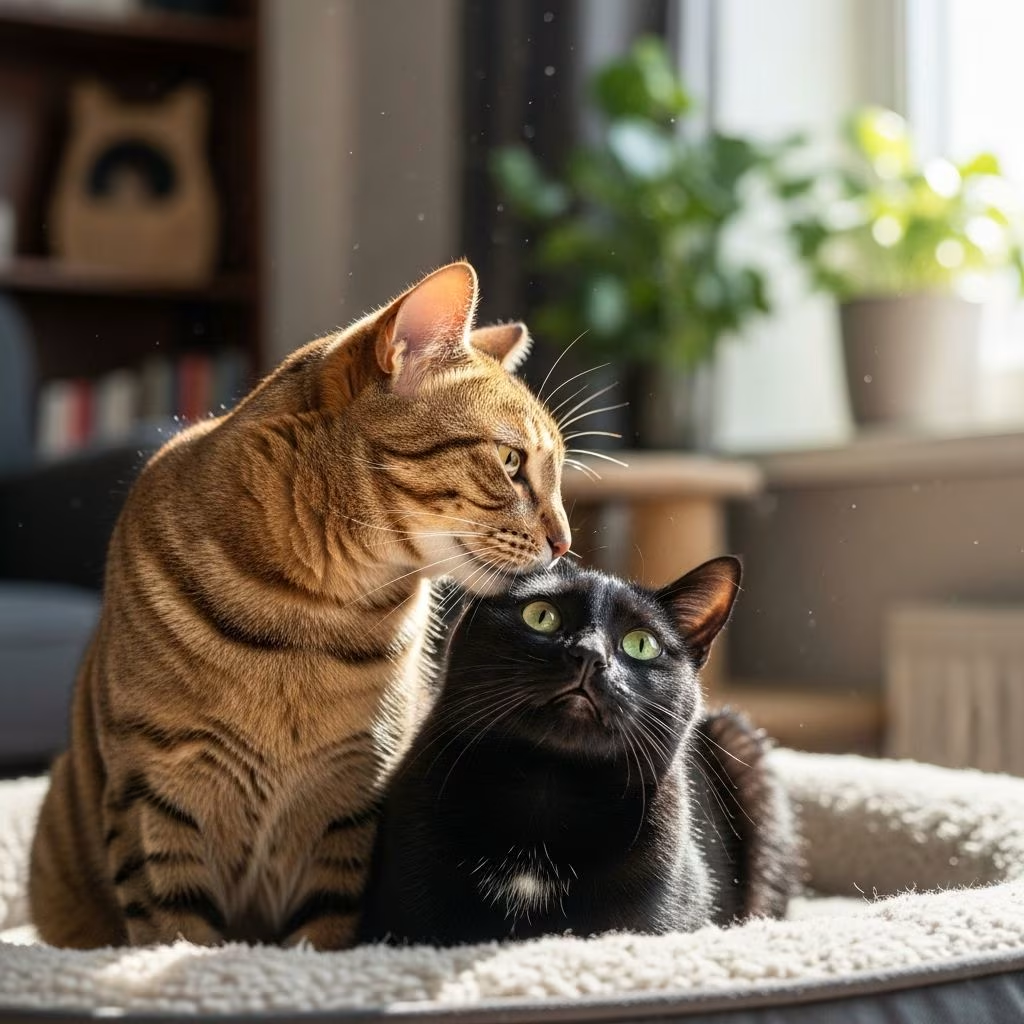
Cat bullying disrupts harmony in multi-cat households, manifesting as one feline dominating or harassing another through chasing, swatting, or blocking resources. Addressing it requires understanding triggers and applying targeted interventions to foster peaceful coexistence.
Recognizing the Signs of Feline Domination
Early detection prevents escalation. Watch for subtle cues like staring, stalking, or puffing up fur, which signal tension before physical confrontations occur.
- Chasing and ambushing: The bully pursues the victim relentlessly, even during rest.
- Resource blocking: Guarding food bowls, litter boxes, or prime sleeping spots.
- Vocalizations and posturing: Hissing, growling, or raised tails indicating territorial claims.
- Victim responses: The targeted cat hides, eats hastily, or avoids shared spaces.
Document incidents in a journal noting time, location, and triggers to pinpoint patterns effectively.
Uncovering the Root Causes Behind Aggression
Bullying stems from instinctual, environmental, or health-related factors. Cats are solitary hunters by nature, so multi-pet dynamics can provoke defensive responses.
Territorial Disputes and New Arrivals
Introducing a new cat challenges established territories, prompting dominance displays. Sudden changes like moving furniture or adding family members amplify insecurity.
Resource Scarcity Issues
Insufficient litter boxes, food stations, or perches lead to competition. The rule of thumb: one per cat plus one extra prevents conflicts.
Health and Pain Triggers
Underlying conditions such as arthritis, thyroid issues, or dental pain make cats irritable, redirecting frustration onto housemates. Veterinary checks are essential.
Boredom and Under-Stimulation
Inactive cats channel pent-up energy into bullying. Lack of play mimics hunting instincts poorly satisfied indoors.
Socialization Gaps and Personality Mismatches
Poorly socialized cats or clashing temperaments hinder hierarchy formation, leading to ongoing skirmishes.
| Cause | Common Indicators | Quick Check |
|---|---|---|
| Territorial Stress | Stalking new pets | Recent changes? |
| Health Problems | Sudden aggression | Vet visit needed |
| Resource Limits | Guarding bowls | Count resources |
| Boredom | Zoomies at night | Playtime hours? |
Immediate Interventions to Halt Conflicts
When tensions flare, act swiftly without physical separation that could worsen fear. Distract with toys or sounds to redirect focus.
- Spray water gently from afar as a deterrent, but sparingly to avoid fear of you.
- Clap hands or use a bell on the bully’s collar for early warnings.
- Never punish; it heightens anxiety and aggression.
For severe fights, toss a blanket over the aggressor or use compressed air cans safely to interrupt without harm.
Long-Term Solutions for Multi-Cat Peace
Sustainable harmony demands environmental tweaks and behavioral conditioning.
Optimize Your Home Layout
Designate vertical territories with cat trees, shelves, and window perches. Scatter resources widely: food in multiple rooms, litter boxes on different floors.
- Install cat-proof fencing or catios for safe outdoor access without neighborhood intruders.
- Create hiding spots like boxes or tunnels for stressed cats indoors and out.
Master Proper Introductions
For new cats, use scent swapping via blankets before visual contact. Feed on opposite sides of doors, gradually shortening distances over weeks.
Boost Enrichment and Exercise
Daily interactive play with wand toys satisfies hunting drives. Puzzle feeders and rotating toys combat boredom.
Reinforce Positive Interactions
Treats and praise for calm proximity build good associations. Pheromone diffusers like Feliway mimic calming scents.
Spay/Neuter and Routine Stability
Alters reduce hormonal aggression. Maintain feeding and play schedules to minimize jealousy.
Health Evaluations and Professional Guidance
Rule out medical issues first with a vet exam, including bloodwork for thyroid or pain.
If behaviors persist, consult a certified feline behaviorist. They assess dynamics and tailor plans, often resolving 80-90% of cases non-pharmacologically.
FAQs on Managing Cat Bullying
Is cat bullying normal in multi-cat homes?
Occasional play-fighting is, but persistent one-sided aggression signals problems needing intervention.
How many litter boxes for two cats?
Three: one per cat plus one, placed privately.
Can bullied cats become bullies?
Yes, stress reversal can occur; balanced environments prevent cycles.
Does neutering stop bullying?
It reduces intensity in many cases but doesn’t address all causes like territory.
When to separate cats permanently?
Rarely; only if injuries occur despite interventions—seek expert advice first.
Monitoring Progress and Adjustments
Track improvements weekly. If no change in 2-4 weeks, reassess causes. Patience yields results as cats adapt slowly.
References
- How to Stop Your Cat from Bullying Other Cats — Rover.com. 2023. https://www.rover.com/blog/cat-bullying-other-cats/
- What Are the Main Causes of Cat Bullying — Cat in a Flat. 2024. https://catinaflat.com/blog/main-causes-of-cat-bullying
- Is Your Cat a Bully? — Union Lake Pet Services. 2023. https://unionlakepetservices.com/blog/is-your-cat-a-bully
- Top Tips to Prevent Cat Bullying — Cats Protection. 2024. https://www.cats.org.uk/cats-blog/tips-to-prevent-cat-bullying
- Cat Bullying 101: What You Need To Know — YouTube (Jackson Galaxy). 2022-10-15. https://www.youtube.com/watch?v=wNtpl_qrxyA
- Cat Bullying: What it Is & How to Stop It — Hill’s Pet Nutrition. 2025. https://www.hillspet.com/cat-care/behavior-appearance/how-to-stop-cat-bullying
- Aggression Between Cats in Your Household — ASPCA. 2024. https://www.aspca.org/pet-care/cat-care/common-cat-behavior-issues/aggression-between-cats-your-household



