
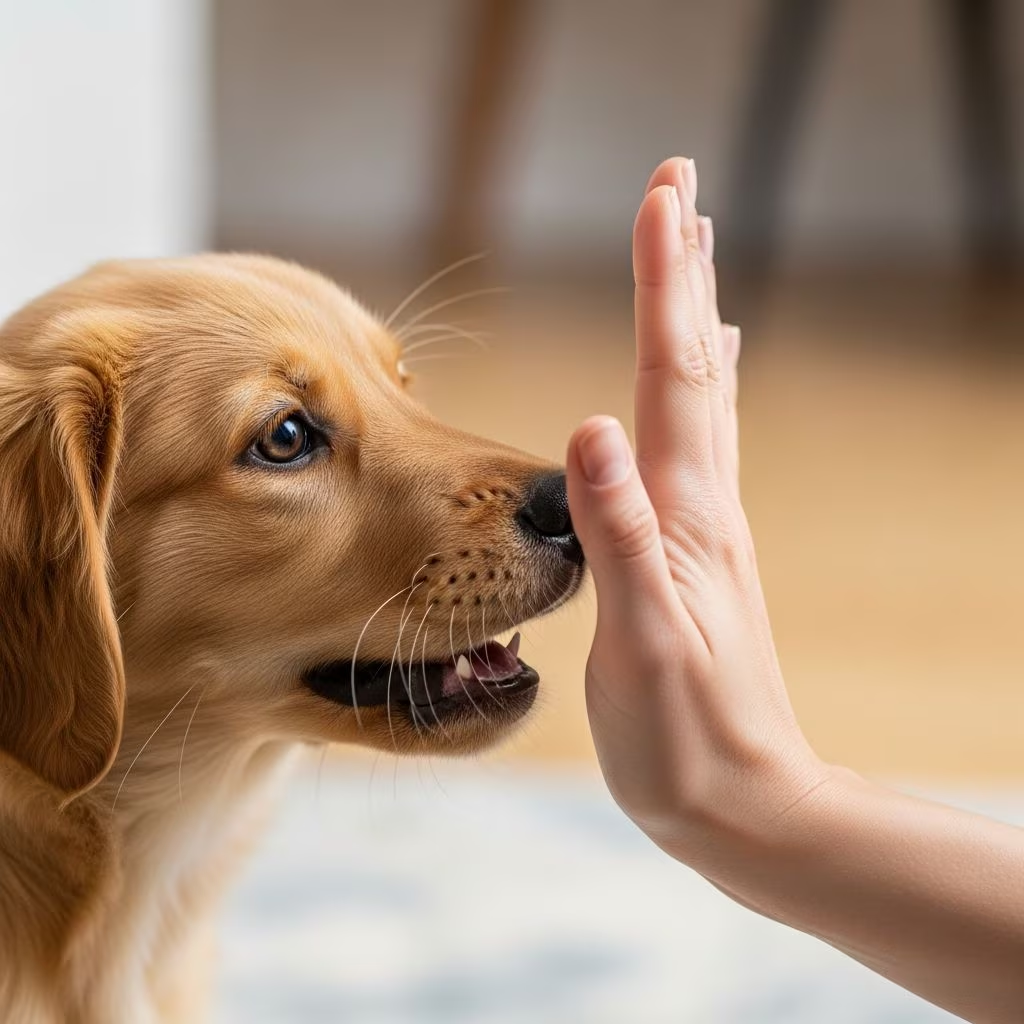
Puppy nipping is a common behavior that many new dog owners encounter, often stemming from natural instincts like play or teething. Effective training focuses on redirection, positive reinforcement, and consistent boundaries to teach gentle interactions.
Understanding the Roots of Nipping in Puppies
Young dogs explore their world primarily through their mouths, making nipping a frequent occurrence during their early development stages. This habit typically peaks around teething periods, when discomfort prompts chewing on anything nearby, including hands and feet.
Beyond teething, nipping often arises during social play, mimicking how puppies interact with littermates. Breeds originally developed for herding, such as those with livestock-nipping histories, may exhibit this more pronouncedly due to genetic predispositions. Other triggers include excess energy, fear responses, or frustration from unmet needs like insufficient exercise.
Recognizing these causes is crucial: playful mouthing differs from aggressive biting, which might signal pain, fear, or poor socialization. Early intervention prevents escalation, as unchecked nipping can lead to stronger bite habits in adulthood. Statistics highlight the importance, with millions of dog bites reported annually in the U.S., underscoring the need for proactive training.
Key Strategies to Curb Nipping Behaviors
Addressing nipping requires a multi-faceted approach emphasizing prevention and positive alternatives. Start by ensuring your puppy’s environment supports appropriate outlets for their oral exploration.
- Supply Ample Chew Toys: Provide durable bones, rubber toys, or stuffed Kongs to redirect mouthing energy. When nipping occurs, calmly offer a toy and praise acceptance.
- Incorporate Daily Exercise: Regular walks, fetch sessions, or park visits burn off pent-up energy that fuels mouthy behavior. A tired puppy is less likely to nip.
- Practice Socialization Early: Expose your puppy to diverse people, animals, and environments gradually to reduce fear-based nipping. Controlled introductions build confidence.
Avoid high-risk scenarios like disturbing a resting or eating dog, which can provoke defensive nips. Consistency across family members ensures the puppy learns clear boundaries.
Immediate Response Techniques During Nipping
When nipping happens, respond swiftly but calmly to communicate that the behavior ends fun. The yelp method mimics littermate reactions, teaching bite inhibition effectively.
- Issue a High-Pitched Yelp: Let out a sharp “Ouch!” or yelp as if hurt. This surprises the puppy, often causing them to pause. Follow with praise if they stop.
- Cease Interaction: If yelping excites them further, stand up, cross arms, and ignore completely for 30-60 seconds. Resume play only when calm.
- Implement Time-Outs: Guide the puppy to a crate or quiet area briefly until settled. This associates nipping with loss of freedom.
For persistent cases, gently hold the puppy’s lower jaw without squeezing, making mouthing uncomfortable yet safe. Release after seconds and reward non-nipping. Taste deterrents like Bitter Apple on gloves can also condition avoidance, though monitor for incomplete learning.
Building Bite Inhibition Through Play
Bite inhibition—learning to control bite pressure—is foundational. Puppies naturally develop this with siblings, but solo-raised ones need human guidance.
During tug or chase games, allow gentle mouthing on toys only. If teeth graze skin, yelp and pause play. Gradually phase out all biting by redirecting to toys exclusively. Social play with controlled retrieve or walks provides safe outlets, avoiding over-arousal.
Rate bites mentally: soft gets continued fun, hard ends it. Over time, this teaches calibrated gentleness, preventing rough play from becoming problematic.
Addressing Nipping in Specific Contexts
Nipping varies by situation, requiring tailored responses.
| Situation | Common Cause | Best Response |
|---|---|---|
| During Petting | Excitement/Teething | Offer chew toy in one hand, pet with the other; alternate to keep mouth occupied. |
| Play Sessions | Heritage Instinct/Energy | Stop game immediately; resume with toy-only rules. |
| Attention Seeking | Boredom/Frustration | Ignore demands; initiate contact on your terms. |
| Fear/Guarding | Stress/Pain | Avoid triggers; consult vet for underlying issues. |
For herding breeds, channel instincts via flirt poles or herding balls. Children should learn to freeze and yelp, then redirect to toys.
Advanced Training: Commands and Consistency
Incorporate obedience like “Leave It” to preempt nipping. Teach by placing a treat under your foot; reward ignoring it, then generalize to hands.
Positive reinforcement trumps punishment—yelling can heighten arousal. Reward calm behaviors lavishly with treats and pets. Family-wide consistency prevents confusion; track progress in a journal to refine methods.
Long-Term Prevention and Monitoring
Sustained success demands ongoing vigilance. As puppies mature, teething subsides, but habits linger without reinforcement. Annual vet checks rule out pain-induced nipping.
Enroll in puppy classes for professional oversight. If aggression emerges, seek certified trainers promptly—early professional input averts risks.
Frequently Asked Questions
Why does my puppy nip more at night?
Evening energy surges or teething discomfort amplify nipping. Add a pre-bed walk and chew session.
Is it okay to use hands in play?
Avoid until bite inhibition is solid; stick to toys to prevent hand targeting.
What if yelping doesn’t work?
Combine with timeouts and ignore; persistence pays off in weeks.
Can adult dogs be trained out of nipping?
Yes, with similar methods, though root causes like anxiety may need expert assessment.
How long until nipping stops?
Most improve by 6 months with daily practice; teething ends around then.
References
- Dealing with Nippy Dogs: Why Dogs Nip and How to Correct It — Pets Best. 2023. https://www.petsbest.com/blog/dealing-with-nippy-dogs
- Dealing with Normal Puppy Behavior: Nipping and Rough Play — PAWS. 2024. https://www.paws.org/resources/nipping-and-rough-play/
- How To Stop Puppy From Jumping, Nipping, Barking and Digging — Thriving Canine. 2023. https://www.thrivingcanine.com/blog/q-how-stop-puppy-jumping-nipping-barking-and-digging/
- Puppy Teething and Nipping: A Survival Guide — American Kennel Club (AKC). 2024. https://www.akc.org/expert-advice/health/puppy-teething-and-nipping/
- Teaching Bite Inhibition and Dealing with Rough Puppy Play — Oregon Humane Society. 2023. https://www.oregonhumane.org/portland-training/teaching-bite-inhibition-and-dealing-with-rough-puppy-play/
- Play Biting in Puppies — VCA Animal Hospitals. 2024. https://vcahospitals.com/know-your-pet/play-biting-in-puppies
- How to Stop Puppy Biting — Purina. 2024.

Sneha Tete
Sneha is a pet care and lifestyle writer with a strong background in applied linguistics and certified training in animal-assisted relationship dynamics. She brings over five years of writing experience to FluffyAffair, crafting thoughtful, research-backed content that empowers pet parents to deepen their bond with their furry companions, enhance pet well-being, and embrace a happy, holistic lifestyle together. More articles →



