

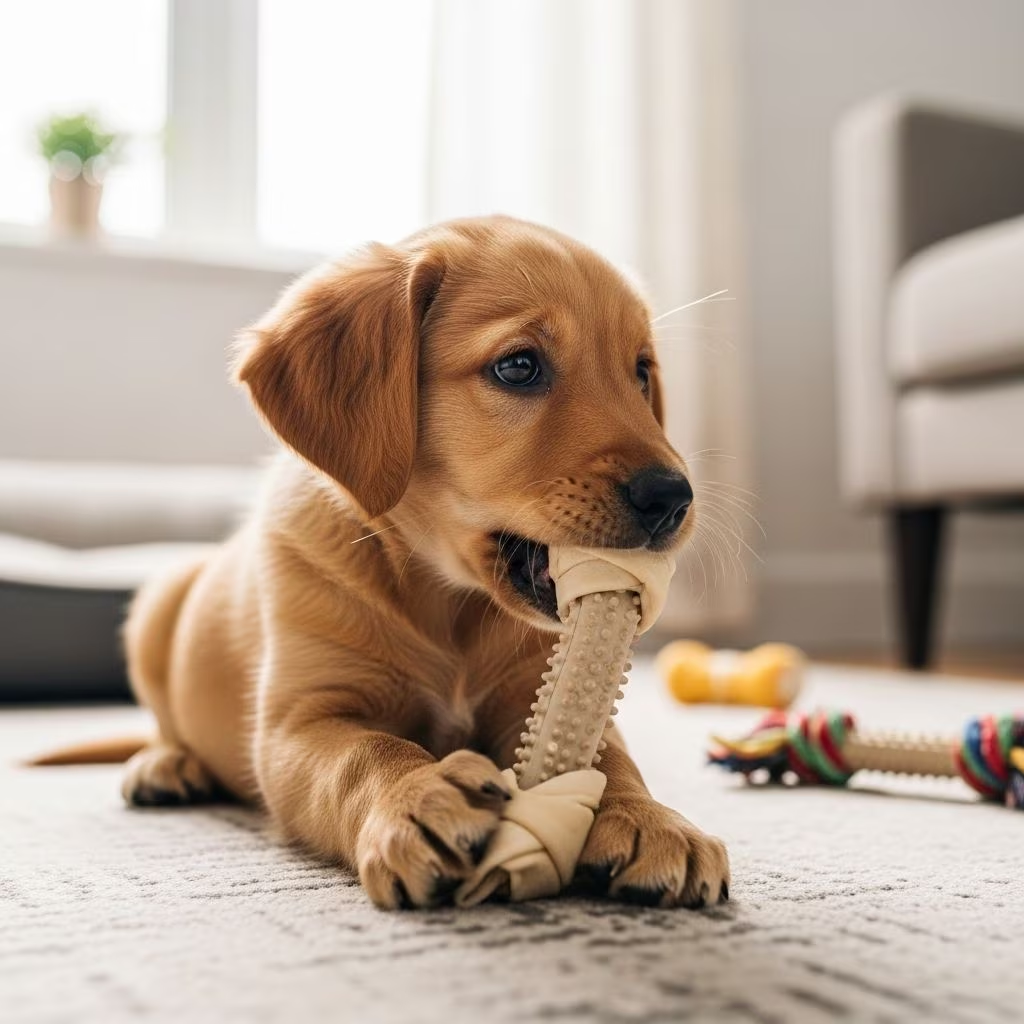
Puppy biting is a normal exploratory behavior in young dogs, but it can quickly become problematic if not addressed early. With consistent positive methods, you can teach your pup appropriate play and mouth control, leading to a well-mannered adult dog. This guide draws from veterinary and behaviorist recommendations to provide actionable steps.
Understanding Why Puppies Bite
Puppies use their mouths to investigate the world, much like human babies. During teething, which peaks around 3-6 months, discomfort drives more intense chewing and nipping. Play biting helps them practice social skills learned from littermates, but without guidance, it targets hands, feet, or clothing. Factors like excess energy, overstimulation, or lack of toys exacerbate the issue.
Recognizing triggers—such as roughhousing, hunger, or boredom—allows proactive intervention. Puppies under 6 months bite most frequently, but habits formed now persist if ignored. Early training builds bite inhibition, the ability to control bite pressure, essential for safe human-dog interactions.
Essential Preparations Before Training
Stock up on puppy-safe toys: soft rubber chewables, ropes, squeaky plush, and food-dispensing puzzles. Variety helps identify preferences, keeping pups engaged. Tethers or gates manage access during sessions, preventing unwanted jumping or chasing.
- Select durable, non-toxic toys sized for your puppy’s breed.
- Prepare high-value treats like kibble or soft bits for rewards.
- Choose a quiet training space free from distractions.
- Have a timer for short, effective sessions (5-15 minutes).
Commit to daily practice. Involve family members for consistency, ensuring everyone uses the same cues and responses.
Step-by-Step Training Techniques
1. Teach Bite Inhibition Through Feedback
Start by mimicking littermate reactions. When your puppy nips, emit a high-pitched “Ouch!” to signal discomfort, then withdraw attention immediately. Stand up or turn away for 30-60 seconds, ignoring all interaction. Resume play only when calm. This teaches that hard bites end fun.
Progress gradually: Week 1, time-out level 5 (hardest) bites; Week 2, level 4+; continue until only soft mouthing (level 1) is tolerated. Pair with praise for gentle contact.
2. Redirect to Appropriate Chew Items
Keep toys handy. At the first sign of mouthing, offer a toy and praise vigorously when engaged. If teeth touch skin, calmly remove your hand and redirect. Use meal times: stuff toys with kibble to encourage chewing over biting.
| Method | How to Implement | Expected Outcome |
|---|---|---|
| Toy Redirection | Wave toy near mouth, reward contact | Pup associates toys with play |
| Food-Stuffed Toys | Fill with daily kibble, let pup work for food | Builds chewing habit passively |
| Tethered Play | Leash to furniture, offer toys from distance | Prevents human targeting |
3. Implement Time-Outs and Quiet Periods
Excess energy fuels biting. After intense play or nips, enforce a 1-2 minute time-out in a crate or separate area. This isn’t punishment but a reset. Follow with calm petting paired with a chew toy to rebuild positive associations.
Puppies need 18-20 hours of sleep daily. Enforce naps in a quiet spot to prevent overtired crankiness mimicking aggression.
4. Use Positive Reinforcement Consistently
Reward non-biting moments lavishly: treats, pets, or play for four paws on the floor or toy chewing. Ignore or redirect unwanted actions. Avoid yelling or physical corrections, which breed fear and worsen behavior.
A certified behaviorist notes: positive methods like praise and food rewards shape appropriate outlets, reducing play biting effectively.
5. Incorporate Socialization and Exercise
Enroll in puppy classes for controlled play with peers, teaching body language reading and appropriate roughness. Daily walks, fetch, or puzzle toys burn energy, curbing frustration biting. Aim for three 10-minute sessions plus potty breaks.
Common Challenges and Solutions
Persistent Biting During Petting: Alternate petting hand with toy-holding hand. Short sessions prevent overexcitement.
Nipping at Feet/Clothes: Tether pup and ignore pouncing. Reward stationary calm.
Teething Pain: Frozen wet rags or chilled toys soothe gums alongside training.
If biting escalates post-6 months or involves growling, consult a veterinary behaviorist to rule out pain or fear.
Long-Term Success Strategies
Consistency across household is key; mixed signals confuse pups. Track progress in a journal: note bite frequency and triggers weekly. Most see improvement in 2-4 weeks with daily effort.
Transition to adult toys as teeth change. Maintain rules into adulthood to prevent resource guarding or play escalation.
Frequently Asked Questions (FAQs)
Is puppy biting normal?
Yes, it’s exploratory and social learning. Training channels it appropriately.
How long does it take to stop?
2-6 weeks with consistency; teething prolongs it.
Can I use bitter sprays?
They deter temporarily but don’t teach alternatives. Prioritize redirection.
What if my puppy is older?
Methods adapt; focus on management and pro help if severe.
Are puppy classes worth it?
Absolutely—they teach inhibition via peer play.
Tools and Resources Overview
- Top Toys: Kong Puppy, Nylabone, Benebone.
- Apps: Track training sessions.
- Classes: AKC-approved puppy programs.
By combining these humane techniques, you’ll transform nipping into gentle companionship. Patience yields a bite-free bond.
References
- How Do You Train Your Puppy Not to Bite Using Positive Reinforcement? — Beyond the Dog Training. 2023. https://beyondthedogtraining.com/puppy-training/how-do-you-train-your-puppy-not-to-bite-using-positive-reinforcement/
- How To Stop a Puppy From Biting — PetMD (Wailani Sung, MS, PhD, DVM, DACVB). 2024-10-15. https://www.petmd.com/dog/training/puppy-biting
- The Calming Technique to STOP Puppy Biting FAST — McCann Dogs (YouTube). 2023. https://www.youtube.com/watch?v=eb9qNHCSbMI
- Teaching Bite Inhibition and Dealing with Rough Puppy Play — Oregon Humane Society. 2024. https://www.oregonhumane.org/portland-training/teaching-bite-inhibition-and-dealing-with-rough-puppy-play/
- How to Stop Puppy Biting and Train Bite Inhibition — American Kennel Club (AKC). 2025-01-20. https://www.akc.org/expert-advice/training/stop-puppy-biting/



