

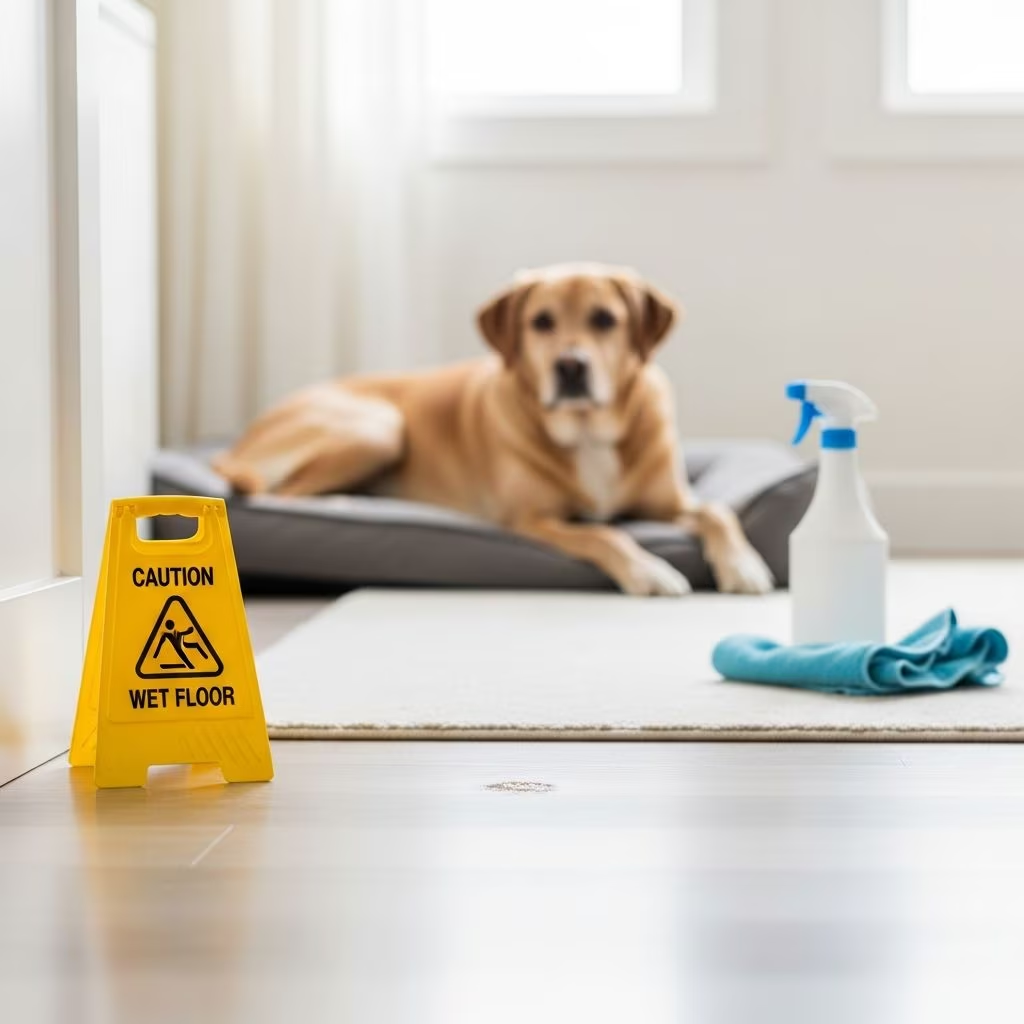
Dogs often lift a leg or squat to deposit small amounts of urine inside the home as a way to communicate territory, respond to stress, or due to medical issues. This behavior, distinct from full bladder emptying, can be curbed through a combination of veterinary evaluation, thorough cleaning, training reinforcement, and environmental adjustments.
Understanding the Instinct Behind Indoor Marking
Urine marking serves as a dog’s method of leaving scent signals for other dogs, indicating territory boundaries or social status. Unlike housetraining accidents where dogs release larger volumes, marking involves brief squirts on vertical surfaces like furniture legs or walls. This instinct peaks in intact dogs influenced by hormones, but environmental triggers such as new pets, visitors, or household changes can provoke it in any dog.
Stress from anxiety, fear, or overstimulation exacerbates marking. For instance, dogs may mark when sensing outdoor animals through windows or during thunderstorms, interpreting these as threats to their space. Recognizing these patterns helps owners address root causes rather than just symptoms.
Step 1: Rule Out Health Problems First
Before behavioral interventions, consult a veterinarian to exclude medical conditions mimicking marking. Urinary tract infections (UTIs), incontinence, diabetes, or kidney issues can cause frequent small-volume urination indoors. In senior dogs, age-related incontinence or cognitive decline may lead to accidents, while medications or toxins can alter bladder control.
A complete exam including blood work, urinalysis, and possibly imaging ensures no underlying illness. Early detection prevents worsening and guides targeted treatment, such as antibiotics for UTIs or medications for incontinence. Intact dogs show higher marking rates due to hormonal drives, making spay/neuter a key consideration post-medical clearance.
Step 2: Master Thorough Odor Elimination
Dogs rely on their acute sense of smell, so residual urine odors invite re-marking. Standard cleaners mask scents, prompting dogs to “refresh” the spot; enzymatic cleaners break down urine proteins at a molecular level.
Use a blacklight to detect invisible stains, especially from prior pets. Apply enzymatic products liberally, allowing full drying before retesting. Popular options like Nature’s Miracle or Simple Solution digest organic matter effectively. Avoid ammonia-based cleaners, as their scent resembles urine and encourages more marking.
| Cleaner Type | Pros | Cons | Best For |
|---|---|---|---|
| Enzymatic | Breaks down proteins; odor-neutralizing | May require multiple applications | Pet urine stains |
| Steam Cleaning | Deep penetration | Can spread odors if not enzymatic | Carpets |
| Vinegar Solution | Natural; inexpensive | Doesn’t fully eliminate proteins | Mild fresh spots |
Step 3: Reinforce Consistent Housetraining
Marking often overlaps with incomplete housetraining, especially in puppies or adopted dogs. Recommit to frequent outdoor potty breaks—every 2-4 hours initially—rewarding outdoor elimination with treats and praise. Use a consistent cue like “go potty” to build association.
Supervise closely indoors using a leash tether or baby gates to prevent access to problem areas. Crate training leverages dogs’ aversion to soiling their den, but size it appropriately to avoid discomfort. Interrupt marking attempts with a cheerful redirect to outside, avoiding punishment which heightens anxiety.
Step 4: Implement Physical Management Tools
Block marked zones with baby gates, furniture rearrangement, or plastic runners (upside-down for texture aversion). Cover furniture legs with double-sided tape or aluminum foil to deter leg-lifting.
- Belly Bands: Absorbent wraps for males prevent indoor soiling while training; change daily and clean the area to avoid irritation.
- Access Restriction: Confine to crate or dog-proofed room when unsupervised.
- Surface Protection: Plastic sheeting or scat mats discourage repeated targeting.
These tools buy time for habit change without confrontation.
Step 5: Reduce Stress and Triggers
Anxiety fuels marking; identify triggers like visitors, new smells, or outdoor sights. Desensitize gradually: for door greetings, engage in obedience games with treats during arrivals. Block window views with curtains to minimize external stimuli.
Synthetic pheromones like Adaptil diffusers mimic calming maternal scents, reducing anxiety-driven marking, especially in new environments. Resolve inter-pet conflicts by separate feeding spaces and supervised interactions. Exercise and puzzle toys burn mental energy, curbing stress.
Step 6: Consider Spaying or Neutering
Hormones drive marking in 80-90% of intact males and many females; neutering/spaying before maturity often halts it entirely. Post-procedure, behaviors ingrained over time may persist, requiring combined strategies. Consult vets on timing, weighing health benefits like cancer risk reduction.
Step 7: Monitor Progress and Adjust
Track incidents in a journal noting time, location, and context to spot patterns. Expect gradual improvement over weeks; consistency is key. If no progress in 4-6 weeks, seek a veterinary behaviorist for tailored plans.
Common Scenarios and Solutions
| Scenario | Solution |
|---|---|
| New baby or pet | Increase supervision; pheromone therapy |
| Senior dog | Vet check for incontinence; more potty breaks |
| Multi-dog home | Separate territories; resource guarding training |
| Recent move | Frequent outs; deep clean prior spots |
Frequently Asked Questions
Will neutering completely stop marking?
It reduces it significantly in young dogs but may not eliminate learned habits in adults; pair with training.
How long until marking stops?
Weeks to months with diligent application; persistence varies by cause.
Is marking always territorial?
No, stress, anxiety, or medical issues contribute; vet evaluation clarifies.
Can female dogs mark?
Yes, though less common than males; spaying helps.
What if cleaning doesn’t work?
Reapply enzymatic cleaner multiple times; use blacklight for missed spots.
Long-Term Prevention Strategies
Maintain routines: daily walks, mental stimulation, and health check-ups. Enroll in obedience classes for socialization. A stable environment minimizes triggers, fostering a marking-free home.
References
- How To Stop a Dog From Marking in the House — Zoetis Petcare. 2023. https://www.zoetispetcare.com/blog/article/stop-dog-marking-house
- Dog Marking and Peeing in the House: Causes and How to Stop It — Best Friends Animal Society. 2023. https://bestfriends.org/pet-care-resources/dog-marking-and-peeing-house-causes-and-how-stop-it
- Dog Peeing in the House: Why and How To Stop It — PetMD. 2024-01-15. https://www.petmd.com/dog/general-health/why-my-dog-peeing-house
- Just Ask the Expert: How can I stop dog urine marking house — dvm360 (John Ciribassi, DVM, DACVB). 2022. https://www.dvm360.com/view/just-ask-expert-how-can-i-stop-dog-urine-marking-house
- How to Stop a Dog from Marking in the House — Elanco Your Pet & You. 2023. https://yourpetandyou.elanco.com/us/behavior/how-to-stop-your-dog-marking-in-the-house
- Dog & Cat Territorial Marking Behavior — Santa Barbara Humane. 2023. https://sbhumane.org/resources/territorial-marking/
- Curbing the Issue of Dog Marking — American Kennel Club. 2023. https://www.akc.org/expert-advice/training/curbing-marking/



