End Indoor Dog Urine Marking
Discover proven strategies to eliminate urine marking in your home, from medical checks to training techniques that restore peace.
Dogs often lift a leg or squat to deposit small amounts of urine inside the home as a way to communicate territory, respond to stress, or react to hormonal drives. This behavior differs from full bladder emptying and can be curbed through a combination of veterinary care, cleaning protocols, environmental changes, and positive training methods.
Recognizing Urine Marking vs. House Soiling
Understanding the distinction is crucial for effective intervention. Urine marking typically involves tiny squirts on vertical surfaces like furniture legs, walls, or door frames, rather than puddles on the floor. It signals territorial claims or anxiety rather than a need to fully relieve the bladder.
- Key signs of marking: Small urine volumes, raised leg posture (especially in males), targeting prominent objects.
- Contrast with accidents: Larger pools, submissive posture, frequent full voids often linked to incomplete housetraining or medical problems.
New environments, household changes like adding a baby or another pet, or even scents from visitors can trigger this instinctual response.
Rule Out Health Problems First
Before addressing behavior, consult a veterinarian to exclude medical causes. Urinary tract infections (UTIs) cause frequent small urinations and genital licking, mimicking marking. Incontinence leads to unaware leaking, often during sleep.
| Condition | Symptoms | Action |
|---|---|---|
| UTI | Frequent small urines, licking genitals | Vet exam, antibiotics |
| Incontinence | Leaking while resting | Diagnostic tests, meds |
| Hormonal Imbalance | Sudden onset in intact dogs | Spay/neuter evaluation |
Addressing these ensures behavioral strategies target the right issue.
Deep Cleaning: Eliminate Scent Triggers
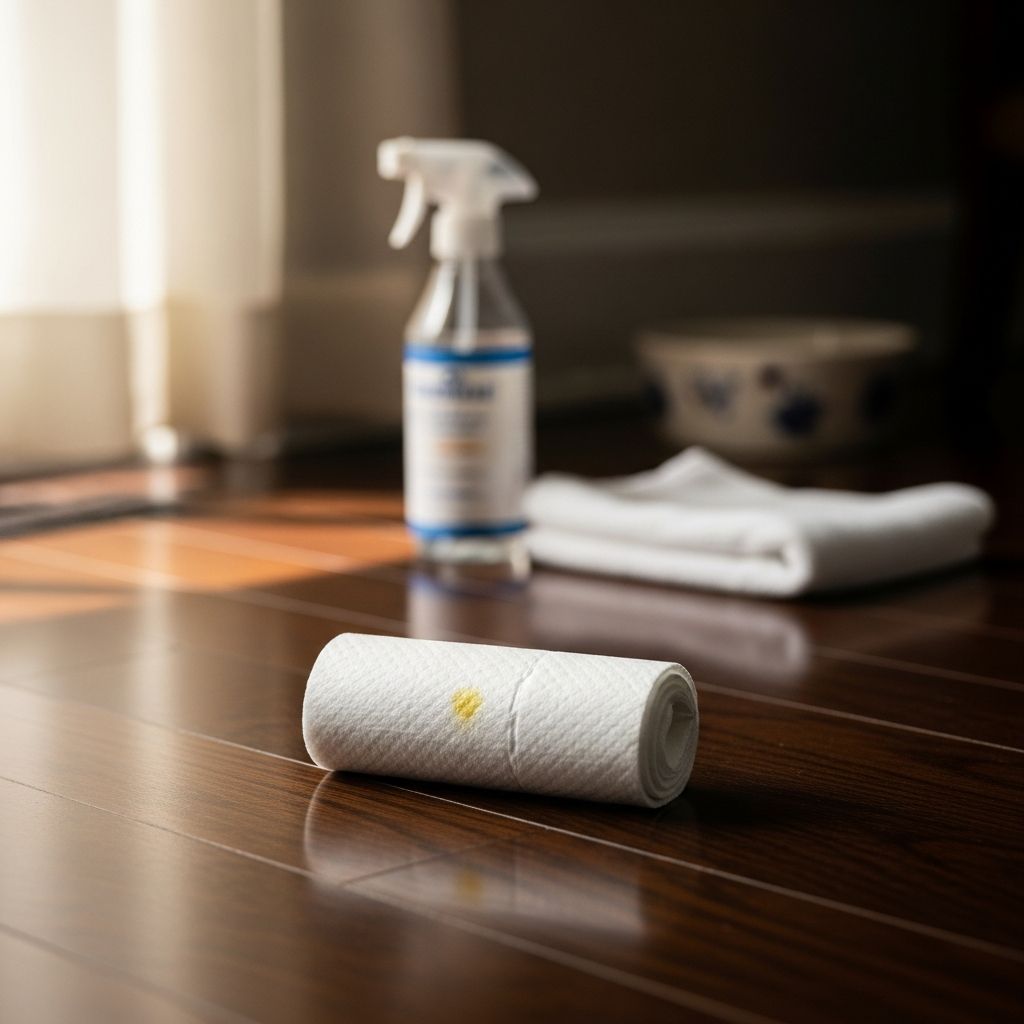
Dogs rely on smell, so residual odors invite repeat marking. Standard cleaners mask scents; enzymatic products break down urine proteins completely.
- Use blacklight to detect invisible stains, including from prior pets.
- Apply enzymatic cleaner per label, allowing full dwell time.
- Avoid ammonia-based products, as they mimic urine smell.
Popular options like Nature’s Miracle digest organic matter effectively. Reclean after incidents to break the cycle.
Neutering and Spaying: Hormonal Solutions
Intact dogs mark more due to hormones. Neutering males reduces marking by 50-60% overall, with 25-40% achieving 90% improvement per studies.
Spaying females prevents heat-related triggers for household males. Early procedures (before maturity) yield best results, though established habits may persist.
- Pros: Curbs instinct, health benefits.
- Cons: Not 100% effective if learned; consult vet timing.
In multi-pet homes, neuter all to minimize triggers.
Environmental Management Techniques
Limit access to problem areas and provocations. Block views of outdoor animals via window covers or restrict door proximity.
- Confine unsupervised dogs to crate or gated safe zones.
- Store guest items, new furniture out of reach.
- Leash indoors initially for new dogs or changes.
Belly bands (male diapers) protect during training; change daily, clean skin to avoid infections. Short-term aid only.
Reducing Stress and Anxiety
Anxiety from changes amplifies marking. Pheromone diffusers like Adaptil mimic calming maternal scents. Supplements or vet-prescribed meds help severe cases.
Resolve inter-pet conflicts with gradual introductions. Enhance routine with exercise, puzzle toys for mental relief.
Positive Training and Counterconditioning
Punishment worsens anxiety; redirect instead. Interrupt pre-mark (sniffing, circling) with a cue, lead outside for rewards.
- Supervise closely; tether to you if needed.
- Interrupt and redirect to outdoor potty spot.
- Reward heavily for outdoor marking.
- Re-housetrain adults: frequent outs, praise successes.
Reassociate spots: feed, play there to shift meaning from territory to positive.
Step-by-Step Action Plan
Implement systematically for results.
| Step | Details | Timeline |
|---|---|---|
| 1. Vet Check | Rule out UTI/incontinence | Immediate |
| 2. Clean All Spots | Enzymatic + blacklight | Day 1-3 |
| 3. Spay/Neuter | Schedule if intact | Within weeks |
| 4. Manage Environment | Gates, bands, blocks | Ongoing |
| 5. Train Daily | Redirect, reward | 2-4 weeks |
Consistency yields progress in weeks.
Prevention for Long-Term Success
Maintain routines post-resolution. Frequent potty breaks, mental stimulation prevent relapse. Monitor for changes signaling stress or health shifts.
In multi-dog homes, equal attention avoids jealousy marking.
Common Challenges and Fixes
- Persistent after neuter: Focus on training/cleaning; habit lingers.
- Multiple pets: Separate, introduce slowly.
- New home: Leash/supervise first weeks.
Frequently Asked Questions
Will neutering completely stop marking?
Not always; 50-60% reduction common, higher if early. Combine with other steps.
What’s the best cleaner?
Enzymatic formulas like Nature’s Miracle or Simple Solution.
Is marking always behavioral?
No; vet rules out medical first.
How long until improvement?
Weeks with consistent effort.
Do belly bands work long-term?
No, temporary while training.
References
- How To Stop a Dog From Marking in the House — Zoetis Petcare. 2023. https://www.zoetispetcare.com/blog/article/stop-dog-marking-house
- Marking in Dogs — PetMD. 2024. https://www.petmd.com/dog/behavior/urine-marking-dogs
- Dog Marking and Peeing in the House: Causes and How to Stop It — Best Friends Animal Society. 2023. https://bestfriends.org/pet-care-resources/dog-marking-and-peeing-house-causes-and-how-stop-it
- How to Stop a Dog from Marking in the House — Elanco Your Pet and You. 2024. https://yourpetandyou.elanco.com/us/behavior/how-to-stop-your-dog-marking-in-the-house
- Urine Marking in Dogs — WebMD. 2023. https://www.webmd.com/pets/dogs/urine-marking-in-dogs
- Stop Your Dog from Peeing in the House — Humane Society. 2024. https://www.humaneworld.org/en/resources/how-stop-your-dog-peeing-house
Similar Articles



Read full bio of medha deb