

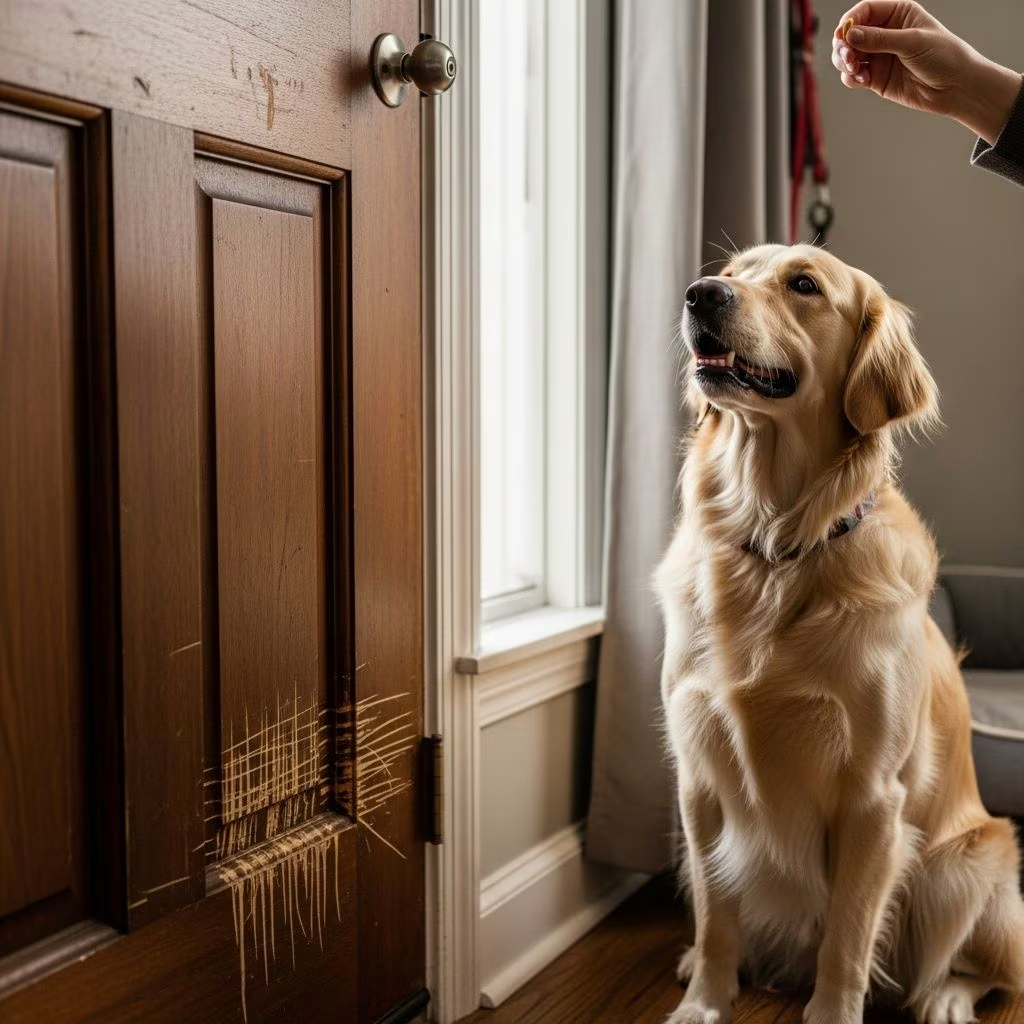
Dogs scratching doors is a frequent household challenge that can damage woodwork and signal unmet needs. This behavior often stems from boredom, anxiety, or learned habits, but targeted interventions can resolve it effectively.
Understanding Why Dogs Claw at Doors
Canines communicate through actions, and door scratching serves as their signal for various needs. Identifying the trigger is the foundation for correction.
- Attention Seeking: Dogs crave interaction; ignoring them leads to pawing for response, even negative.
- Boredom and Energy Surplus: Insufficient activity builds frustration, prompting destructive outlets like doors.
- Separation Distress: Alone time triggers panic, with scratching as an escape attempt.
- Excitement or Routine Needs: Anticipation for walks or potty breaks reinforces the action if rewarded promptly.
- Habitual Response: Past successes, like doors opening, cement the pattern.
Observe patterns: nighttime scratching may indicate bladder urgency, while daytime episodes suggest loneliness. Body cues like pacing or whining point to stress.
Step-by-Step Plan to Eliminate the Habit
A structured approach combines prevention, training, and enrichment. Consistency across household members ensures success.
Step 1: Rule Out Health Issues
Begin with a veterinary check. Allergies, parasites, or pain can manifest as excessive pawing. A professional diagnosis prevents misdirected efforts.
Step 2: Interrupt and Ignore
Withhold all reaction during scratching—no eye contact, talking, or door opening. Wait for calm, then reward with praise or access. This extinguishes attention reinforcement.
Step 3: Boost Daily Exercise
A fatigued dog avoids mischief. Aim for 30-60 minutes of walks, fetch, or runs daily, tailored to breed and age. Tiredness curbs unwanted energy.
Step 4: Introduce Mental Challenges
Puzzle toys, treat-dispensing balls, and obedience drills engage the mind. Rotate items to sustain interest, reducing idle time.
Step 5: Teach Replacement Commands
Train “sit,” “place,” or “bed” near doors. Redirect approaching dogs to these positions, rewarding compliance. Incompatible actions replace scratching.
Step 6: Establish Routines
Fixed schedules for meals, potty, and play minimize uncertainty. Predictability eases anxiety and prevents necessity-driven scratching.
Step 7: Modify the Environment
Block access with gates, apply bitter sprays, or cover doors with plastic sheeting. These deter without punishment.
Tools and Products for Immediate Protection
While training progresses, safeguard surfaces. Select durable, pet-safe options.
| Product Type | Benefits | Best For |
|---|---|---|
| Nail Caps | Softens claws, minimizes gouges | Indoor scratchers |
| Pet Gates | Restricts door access | Multi-dog homes |
| Deterrent Sprays | Repels via taste/smell | Quick barriers |
| Scratching Mats | Directs to approved spots | Habit breakers |
| Automatic Doors | Self-access outdoors | Potty needs |
Pet gates, like freestanding models, offer versatility for various spaces. Scratch-resistant doors with laminates endure better long-term.
Handling Stubborn Cases and Anxiety
Persistent issues may require advanced tactics. For anxiety, desensitize departures: short exits build tolerance without drama.
- Consult behaviorists for compulsive patterns.
- Use calming aids like pheromone diffusers.
- Gradual alone-time training with rewards.
Real-world example: A high-energy dog reduced scratching after later evening walks, puzzle toys, and ignoring episodes. It shifted to quiet whining, then patient sitting.
Preventive Measures for New Habits
Proactive steps keep puppies or new dogs on track.
- Supervise crate training to avoid isolation stress.
- Provide ample toys from day one.
- Use positive reinforcement exclusively.
- Normalize door proximity without reaction.
Early intervention prevents escalation, preserving doors and fostering calm companions.
Common Mistakes to Avoid
Certain responses worsen problems:
- Immediate Compliance: Yields to scratching reinforces it.
- Punishment: Increases fear without teaching alternatives.
- Inconsistency: Mixed signals confuse dogs.
- Neglecting Exercise: Unspent energy fuels destruction.
Patience yields results; expect 2-4 weeks for habit shifts.
FAQs
Why does my dog scratch only at night?
Nighttime often signals potty needs or sleep disruptions. Increase evening outings and ensure a quiet sleep area.
Can puppies outgrow door scratching?
Without guidance, no—train early to build good habits.
What if ignoring doesn’t work?
Combine with exercise and gates; seek pro help if needed.
Are deterrent sprays safe?
Choose pet-formulated, non-toxic versions.
How much exercise is enough?
30-90 minutes daily, split into sessions, based on breed.
Long-Term Success Strategies
Sustain gains through ongoing enrichment. Enroll in agility classes, rotate toys, and monitor stress. A balanced life prevents relapse.
Door scratching diminishes with empathy and method. Owners report intact doors and happier pets after implementation.
References
- How to Stop Your Dog from Scratching the Door – A Comprehensive Guide — Houndsy. 2023. https://www.houndsy.com/blogs/modern-tails/how-to-stop-your-dog-from-scratching-the-door-a-comprehensive-guide
- How to Stop Your Dog from Scratching at the Door — Richell USA Inc. 2024. https://www.richellusa.com/how-to-stop-your-dog-from-scratching-at-the-door/
- How to Stop a Dog Scratching the Door — JB Kind. 2023. https://www.jbkind.com/blog/how-to-stop-a-dog-scratching-the-door



