

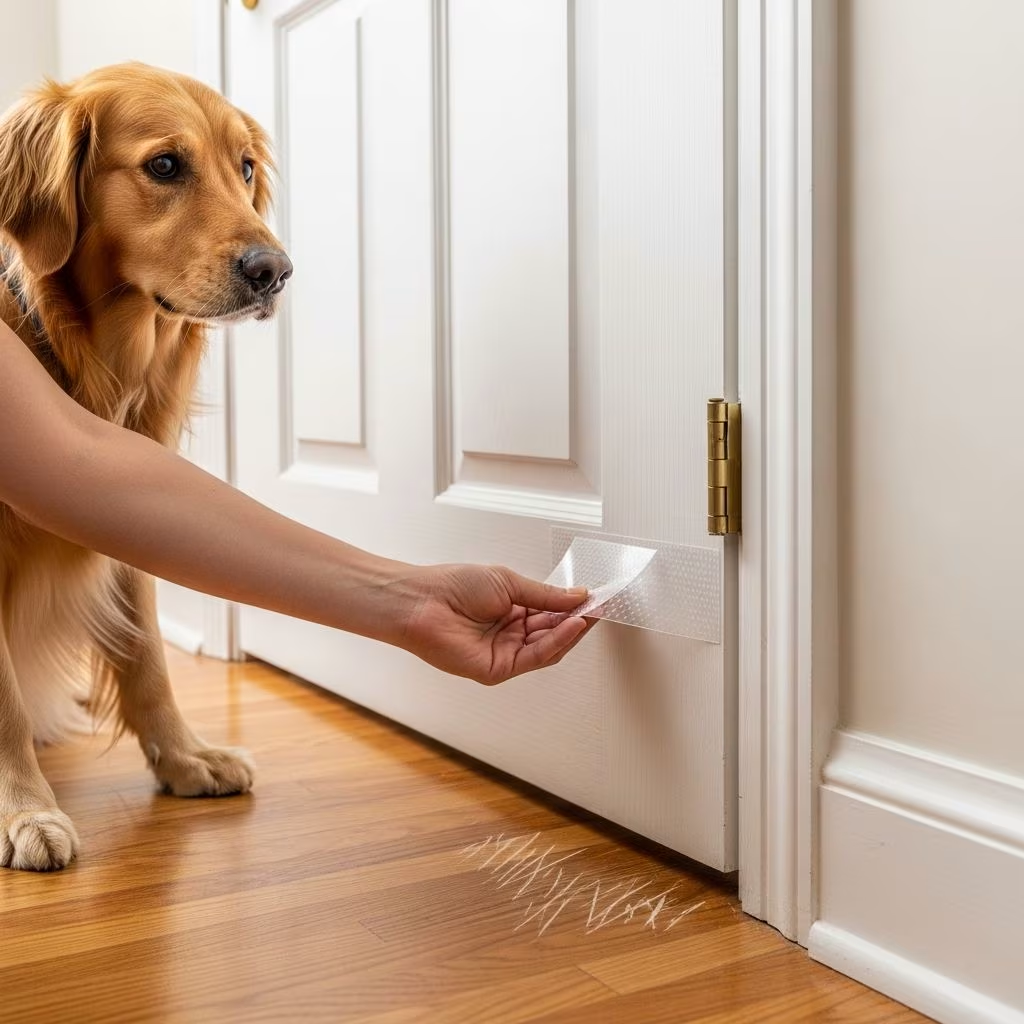
Dogs often scratch at doors due to unmet needs like attention, exercise, or anxiety relief. Addressing root causes through consistent training and environmental changes can eliminate this behavior effectively.
Understanding Why Dogs Claw at Doors
Door scratching is a frequent issue for dog owners, stemming from instinctual or emotional triggers. Dogs use their paws to communicate or cope with various situations, turning doors into targets when needs go unaddressed.
- Attention demands: Pets quickly learn that pawing elicits a response from owners, even if negative, reinforcing the action.
- Boredom signals: Insufficient activity leads to frustration, with scratching serving as an outlet for excess energy.
- Anxiety manifestations: Isolation triggers stress, prompting escape attempts via door clawing, often with vocalizations or pacing.
- Excitement bursts: Anticipation of walks or meals can cause impulsive pawing to hasten access.
- Territorial marking: Scent glands in paws deposit odors, claiming the area as theirs.
Recognizing these patterns helps tailor interventions. Observe timing and context to pinpoint triggers.
Assessing the Severity of the Habit
Not all scratching requires immediate action, but persistent cases demand evaluation. Mild incidents might resolve with routine tweaks, while intense ones signal deeper issues.
| Behavior Level | Signs | Action Priority |
|---|---|---|
| Mild | Occasional pawing during routines | Low: Monitor and adjust exercise |
| Moderate | Daily scratching with minor marks | Medium: Introduce training protocols |
| Severe | Constant clawing, whining, destruction | High: Vet check and professional consult |
Use this table to gauge your dog’s pattern. Severe cases may involve medical factors like allergies or pain.
Building a Strong Exercise Foundation
Physical fatigue prevents mischief. Dogs with ample outlets for energy rarely resort to destructive acts.
Implement daily routines: Aim for 30-60 minutes of brisk walks, varying routes to stimulate senses. Incorporate fetch, tug, or agility drills to engage body and mind. Post-exercise naps reduce door-focused impulses.
- Morning hike: Energize for the day.
- Midday puzzle toys: Mental workouts during alone time.
- Evening play: Wind down without overstimulation.
Breeds like herders or hounds need more; tailor to age and health. Track improvements weekly.
Mastering Positive Reinforcement Techniques
Rewards shape desired actions. Ignore unwanted scratching while amplifying calm alternatives.
Step-by-step training:
- Observe quiet moments near doors; offer treats and praise.
- Command “place” to a mat away from the door, rewarding compliance.
- Gradually introduce door proximity, maintaining the command.
- Use high-value rewards like cheese for success.
Consistency is key—family members must align. Tools like clickers enhance precision.
Managing Separation Anxiety Effectively
Anxiety drives much door damage. Dogs left alone panic, clawing for reunion.
Desensitization protocol:
- Short absences: Step out for seconds, return calmly.
- Build duration: Increase by minutes daily.
- Neutral cues: Avoid dramatic goodbyes.
- Comfort items: Kongs with frozen peanut butter distract.
Signs include drooling or trembling. If persistent, consult vets for calming aids.
Protecting Your Home from Damage
While training, safeguard surfaces. Temporary fixes buy time.
Options include:
- Deterrent sprays: Bitter tastes discourage pawing.
- Barrier covers: Plexiglass or mats shield wood.
- Pet gates: Block access entirely.
- Scratch pads: Redirect to approved spots.
For long-term, consider durable doors with laminate finishes resistant to claws.
Environmental Adjustments for Success
Modify surroundings to prevent opportunities. Confine to scratch-free zones with supervision.
Use baby gates for room division. Provide enrichment: Rotate toys, hide treats. White noise machines mask triggers like thunder.
Track via journal: Note incidents, interventions, outcomes for refinement.
Health Checks: Ruling Out Medical Causes
Rule out issues first. Skin conditions or parasites cause itch-driven scratching.
Schedule vet visits for:
- Allergy tests.
- Parasite screens.
- Joint exams for discomfort.
Treatment resolves behavior swiftly.
Advanced Training: Long-Term Prevention
Once basics stick, advance to proofing. Simulate triggers: Doorbell rings, guest arrivals.
Incorporate obedience classes for socialization. Apps track progress, sharing with pros if needed.
Common Mistakes to Avoid
Owners often yell, reinforcing attention-seeking. Punishment increases anxiety. Inconsistency confuses dogs.
Focus on positives; patience yields results.
FAQs
Why does my puppy scratch doors more?
Puppies teethe and explore; provide chew alternatives and training early.
How long until scratching stops?
Weeks with consistency; vary by dog.
Is crate training helpful?
Yes, for anxiety cases, if introduced positively.
What if training fails?
Seek certified behaviorists.
Are sprays safe?
Choose pet-formulated, natural ones.
Real Owner Success Stories
Many report 90% reduction in 2 weeks via exercise and ignores. One owner swapped doors for glass, ending damage instantly.
References
- How to Stop Your Dog from Scratching at the Door — Richell USA Inc. 2025-01-31. https://www.richellusa.com/how-to-stop-your-dog-from-scratching-at-the-door/
- Dog Scratching at Your Door? Here’s How to Make It Stop — Doors2Floors. N/A. https://www.doors2floors.co.uk/blog/dog-scratching-door/
- How to Stop a Dog Scratching the Door — JB Kind. N/A. https://www.jbkind.com/blog/how-to-stop-a-dog-scratching-the-door
- How to Stop a Dog from Scratching Doors — Pet Door Products. 2021-05. https://petdoorproducts.com/wp-content/uploads/2021/05/petdoorproducts.com-How-to-Stop-a-Dog-from-Scratching-Doors.pdf



