

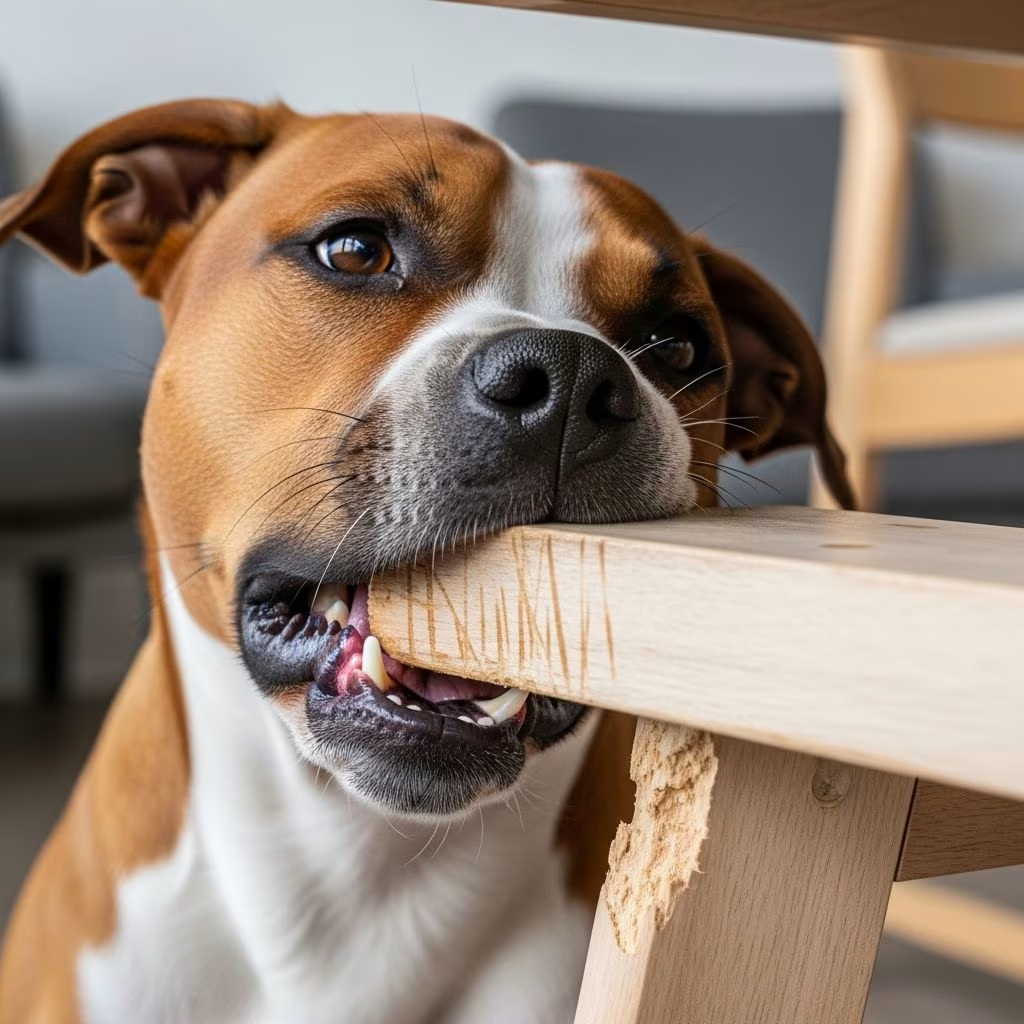
Chewing ranks among the most common behavioral challenges for dog owners, affecting everything from furniture to personal belongings. This natural instinct, while normal, becomes problematic when directed at inappropriate items. Understanding the underlying triggers and applying targeted interventions can effectively redirect this behavior, fostering a harmonious living environment.
Understanding Why Dogs Chew
Dogs chew for various reasons tied to their developmental stages, emotional states, and physical needs. Recognizing these factors is the first step toward resolution.
- Puppy Teething: Young dogs between 3 weeks and 6 months experience discomfort as adult teeth emerge, prompting them to gnaw for relief.
- Boredom and Lack of Stimulation: Insufficient mental or physical activity leads dogs to seek entertainment through household items.
- Stress and Anxiety: Environmental changes, separation from owners, or general unease manifest as destructive gnawing.
- Hunger or Nutritional Gaps: Dogs on restricted diets may target food-scented objects to satisfy unmet needs.
- Health-Related Issues: Allergies, parasites, skin conditions, or pain from injuries can cause targeted chewing, such as on tails.
These motivations differ by age and breed; high-energy dogs like Border Collies require more outlets than low-energy breeds like Pugs.
Health Checks: Ruling Out Medical Causes
Before behavioral adjustments, consult a veterinarian to exclude medical contributors. Parasites like fleas irritate skin, leading to obsessive chewing. Allergies to food or environment provoke itchiness, while infections or dry skin exacerbate the issue. Anal gland problems or injuries may focus chewing on specific areas like the tail.
A thorough exam, including dental checks for teething puppies, ensures no underlying pain drives the habit. Vets may recommend parasite preventatives, allergy testing, or medicated treatments. Addressing health first prevents misdirected training efforts.
Environmental Management Strategies
Modify your home to limit access to tempting items while promoting safe alternatives. Dog-proofing involves securing valuables and using confinement tools.
| Strategy | Description | Benefits |
|---|---|---|
| Crate Training | Use a properly sized crate for unsupervised time | Provides safety, prevents damage, aids house training |
| Puppy Pens | Enclosed areas with toys and bedding | Allows freedom without full access to home |
| Bitter Sprays | Apply to furniture; unpleasant taste deters chewing | Non-toxic repellents reduce unwanted gnawing |
| Vertical Storage | Shelves or cabinets for shoes, remotes | Removes temptation entirely |
Combine these with consistent routines; a tired dog from morning walks chews less destructively.
Providing Engaging Chew Alternatives
Offer durable, appealing toys that satisfy the chewing urge. Stuffable rubber toys with peanut butter or cheese keep dogs occupied as they work for rewards. Dental chews promote oral health while fulfilling gnawing needs; select textured, sizable options over soft treats.
- Kongs or similar: Fill with treats for prolonged engagement.
- Rope toys: Ideal for tugging and chewing.
- Frozen carrots: Soothing for teething pups.
Rotate toys to maintain novelty, preventing boredom. Praise engagement with appropriate items to reinforce positive choices.
Exercise and Mental Enrichment Routines
Physical activity burns energy, reducing boredom-driven chewing. Aim for breed-specific durations: 2 hours daily for high-energy breeds, 40 minutes for smaller ones. Incorporate walks, fetch, or agility games.
Mental stimulation via puzzle toys, scent work, or training sessions tires the brain. Teach commands like “leave it” to redirect mid-chew. Enrichment prevents stress buildup, a key anxiety trigger.
Training Techniques for Lasting Change
Positive reinforcement trumps punishment. Never scold, as attention—even negative—reinforces the behavior. Instead:
- Interrupt gently with a sound or toy.
- Redirect to approved item.
- Reward immediately with praise or treats.
For separation anxiety, gradual desensitization builds tolerance: Start with short absences, increasing duration while providing toys. Consistency across household members ensures success.
When to Seek Professional Guidance
If chewing persists despite interventions, or involves aggression over items, involve experts. Veterinary behaviorists diagnose anxiety or compulsions. Trainers offer tailored plans, especially for severe cases.
Signs warranting help: Bloodied gums from excessive chewing, weight loss from hunger-related habits, or escape attempts via digging.
Breed-Specific Considerations
High-drive breeds like German Shepherds need intense outlets; puzzle feeders and jobs like herding games suit them. brachycephalic breeds may chew less but require monitoring for dental issues. Tailor approaches to your dog’s profile for optimal results.
FAQs
Do dogs chew more when stressed?
Yes, stress prompts chewing as a tension release, particularly during separations or changes.
What repels dogs from chewing household items?
Bitter apple sprays and proper proofing effectively deter without harm.
How much exercise stops chewing?
Depends on breed; ensure daily activity matching energy levels.
Is crate training cruel?
No, when sized correctly and used with positive associations, it’s a safe haven.
Can diet cause chewing?
Yes, calorie deficits lead to food-seeking gnaws.
Long-Term Prevention Tips
Build lifelong habits: Daily routines blending exercise, play, and training. Monitor for life changes triggering relapses. Annual vet checks catch health shifts early. Patient, consistent effort yields a chew-free home.
References
- Dog tail chewing: causes and solutions for this troublesome behavior — Pet Townsend Vet. 2023. https://pettownsendvet.com/blog/dog-tail-chewing/
- Destructive Dog Chewing: How To Stop It — Chewy. 2024. https://www.chewy.com/education/dog/training-and-behavior/training-tips-how-to-stop-destructive-chewing-in-dogs
- Destructive Chewing by Dogs and Puppies — Seaport Animal Hospital. 2023. https://www.seaportanimalhospital.com/blog/destructive-chewing-by-dogs-and-puppies
- Dog Chewing Problems: Why They Chew & How to Stop Them — Shatto Vet. 2024-05-21. https://www.shattovet.com/site/blog/2024/05/21/dog-chewing-problems
- Dogs and Destructive Chewing — VCA Animal Hospitals. 2024. https://vcahospitals.com/know-your-pet/dogs-and-destructive-chewing
- Problem Behaviors – Dog Chewing — Matthews Carolina Vet. 2021-03-15. https://www.matthews.carolinavet.com/site/pet-health-blog/2021/03/15/how-to-stop-dog-from-chewing



