

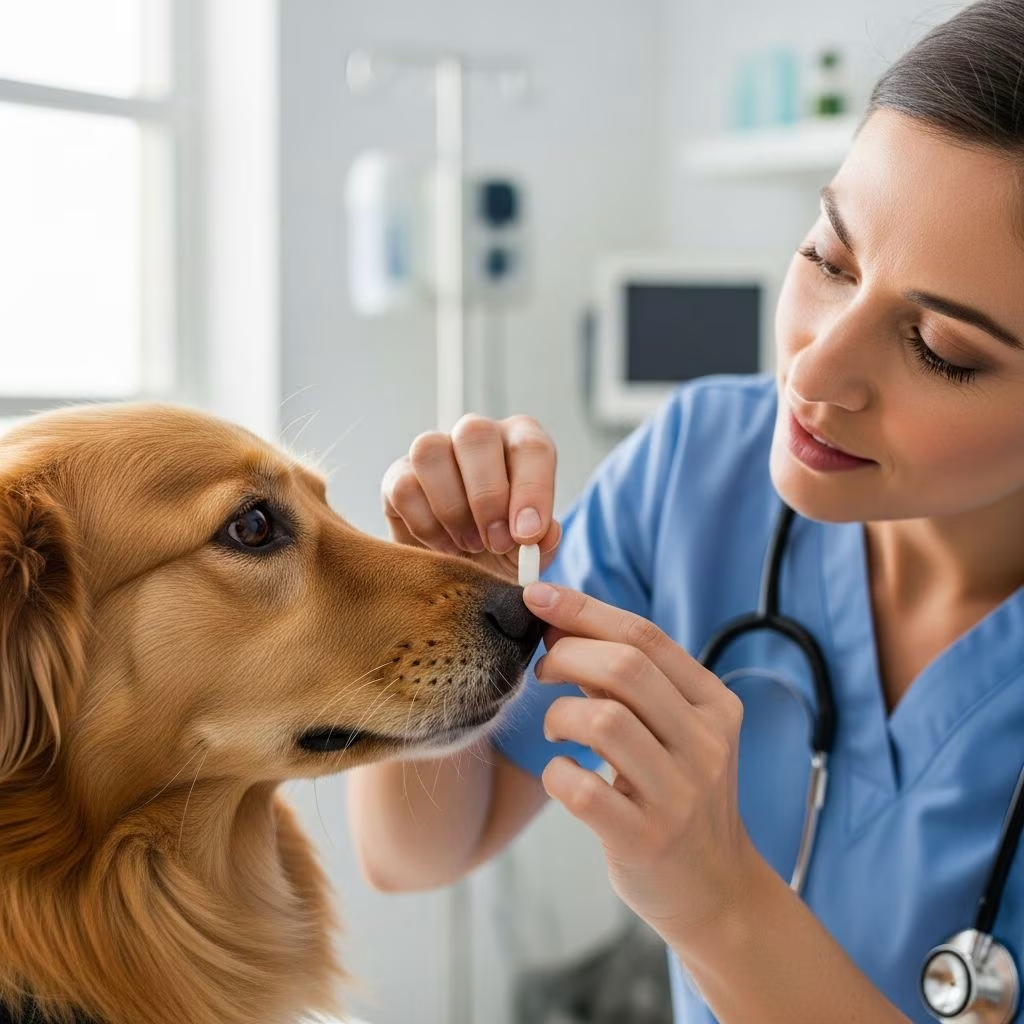
Enalapril stands as a cornerstone medication in veterinary medicine, particularly for managing cardiovascular and renal conditions in dogs and cats. As an angiotensin-converting enzyme (ACE) inhibitor, it helps relax blood vessels, reducing the workload on the heart and protecting kidney function.
Understanding Enalapril’s Mechanism in Animals
Enalapril works by inhibiting the angiotensin-converting enzyme, which plays a key role in the renin-angiotensin-aldosterone system (RAAS). This system regulates blood pressure and fluid balance. By blocking ACE, enalapril prevents the conversion of angiotensin I to angiotensin II, a potent vasoconstrictor. The result is vasodilation, lowered blood pressure, and decreased aldosterone release, which reduces fluid retention.
In pets with heart disease, this action eases cardiac strain, particularly in conditions like congestive heart failure (CHF). For kidney issues, it minimizes glomerular pressure, curbing protein leakage into urine.
Primary Applications in Canine and Feline Health
Veterinarians prescribe enalapril primarily for dogs with CHF due to dilated cardiomyopathy (DCM) or myxomatous mitral valve disease (MMVD). It’s FDA-approved for these uses in dogs, often combined with diuretics and other therapies.
- Heart Failure Management: Dilates peripheral vessels, reducing pulmonary congestion and improving cardiac output.
- Hypertension Control: Lowers systemic blood pressure in dogs and cats, preventing organ damage.
- Proteinuria Reduction: Protects kidneys by decreasing protein loss, beneficial in chronic kidney disease (CKD).
Off-label uses extend to cats for similar issues and occasionally other species like ferrets.
Common Conditions Treated with Enalapril
Congestive Heart Failure in Dogs
CHF arises from diseases like DCM, where the heart muscle weakens, or MMVD, involving valve degeneration. Enalapril mitigates symptoms by unloading the heart, especially effective in DCM cases. Studies show it improves survival and quality of life when part of a multi-drug regimen.
Hypertension and Kidney Protection
High blood pressure in pets can stem from kidney disease, hyperthyroidism, or idiopathic causes. Enalapril normalizes pressure, safeguarding eyes, brain, and kidneys. In CKD, it reduces proteinuria, slowing disease progression.
| Condition | Key Benefits of Enalapril | Typical Species |
|---|---|---|
| CHF (DCM/MMVD) | Vasodilation, reduced preload/afterload | Dogs |
| Systemic Hypertension | Blood pressure reduction | Dogs, Cats |
| Proteinuria/CKD | Glomerular protection, less protein loss | Dogs, Cats |
Dosage Guidelines and Administration
Dosing varies by condition, weight, and renal function. For dogs with heart failure, typical doses range from 0.5 mg/kg every 12-24 hours, starting low to monitor tolerance. Tablets (2.5mg, 5mg, 10mg, 20mg) or oral liquids are available; give with food to enhance absorption and reduce GI upset.
- Adjust for renal impairment: Lower doses if creatinine is elevated.
- Cats: 0.5 mg/kg once daily, cautiously.
- Monitor: Blood pressure, electrolytes, renal parameters every 1-2 weeks initially.
Always follow veterinary prescription; human formulations like Vasotec may be used off-label.
Recognizing and Managing Side Effects
While generally well-tolerated, enalapril can cause side effects, primarily related to blood pressure drop or renal effects.
- Gastrointestinal: Vomiting, diarrhea, inappetence (most common, often transient).
- Renal: Azotemia, elevated creatinine in dehydrated or CKD pets.
- Hypotension: Weakness, lethargy; rare with proper dosing.
- Other: Cough (less common than in humans), hyperkalemia.
Discontinue if severe; supportive care includes fluids and dose adjustment.
Precautions and Contraindications
Avoid in pets with bilateral renal artery stenosis, history of angioedema, or concurrent NSAIDs/potassium supplements without monitoring. Use cautiously in dehydrated animals or those with hyponatremia.
Pregnant pets: Potential fetal toxicity; not recommended. Regular lab work is essential to track BUN, creatinine, potassium, and urine protein:creatinine ratio.
Drug Interactions and Monitoring Protocols
Enalapril interacts with diuretics (enhanced hypotension), NSAIDs (renal risk), and potassium-sparing drugs (hyperkalemia).
- Baseline Tests: Bloodwork, urinalysis, BP measurement.
- Follow-up: 7-14 days post-start, then monthly.
- Long-term: Adjust based on clinical response and labs.
Real-World Benefits and Prognosis
In CHF dogs, enalapril extends life expectancy and reduces hospitalization. Combined therapy often halves symptom recurrence. For proteinuria, it can normalize urine protein levels, preserving renal function longer.
Frequently Asked Questions (FAQs)
What if my pet refuses enalapril tablets?
Try pill pockets, compounding into flavored liquid, or hide in food. Consult your vet for alternatives.
Can enalapril be used in cats?
Yes, off-label for hypertension and CKD, but start low and monitor kidneys closely.
How quickly does enalapril work?
Effects on blood pressure within hours; heart failure benefits in days to weeks.
Is enalapril safe for senior pets?
Commonly used in seniors with heart/kidney issues, but requires vigilant monitoring.
What overdose symptoms should I watch for?
Weakness, collapse, vomiting; seek emergency vet care immediately.
Integrating Enalapril into Holistic Pet Care
Beyond medication, support with a low-sodium diet, moderate exercise, and weight management. Regular vet check-ups ensure tailored care.
Enalapril transforms lives for pets with serious conditions, but success hinges on owner vigilance and veterinary partnership.
References
- Enalapril – JAM Veterinary Services — JAM Veterinary Services. 2023. https://www.jamdvm.com/enalapril
- Enalapril for Dogs: Side Effects, Uses, Dosage — GoodRx. 2024-02-15. https://www.goodrx.com/pet-health/dog/enalapril-for-dogs
- Enalapril for Dogs: Uses, Side Effects, and Precautions — ToeGrips. 2023-11-10. https://toegrips.com/enalapril-for-dogs/
- Enalapril Maleate for Dogs | Medication — PetMD. 2024. https://www.petmd.com/pet-medication/enalapril
- Angiotensin-converting Enzyme Inhibitors for Use in Animals — Merck Veterinary Manual. 2025-01-20. https://www.merckvetmanual.com/pharmacology/systemic-pharmacotherapeutics-of-the-cardiovascular-system/angiotensin-converting-enzyme-inhibitors-for-use-in-animals
- Enalapril | American College of Veterinary Pharmacists — VetMeds.org. 2023. https://vetmeds.org/pet-poison-control-list/enalapril/



