

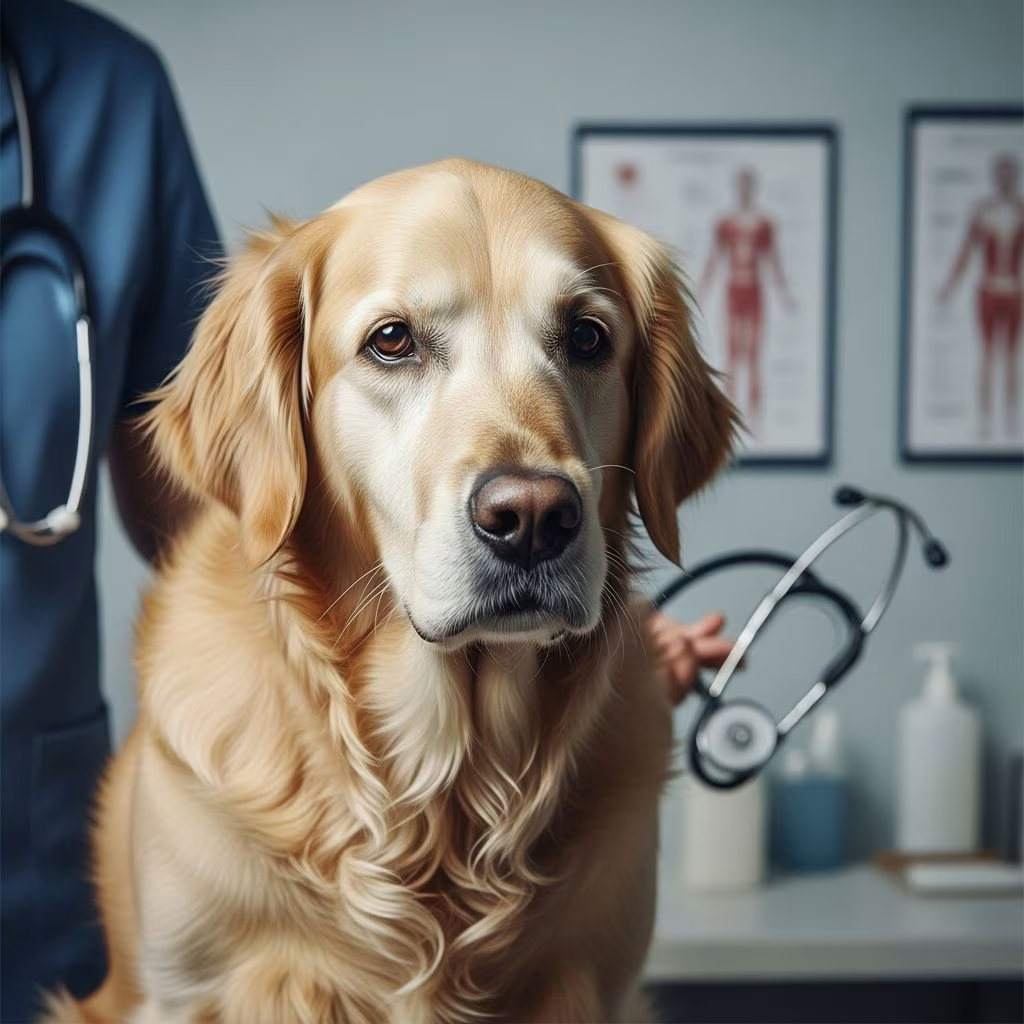
Emphysema represents a serious respiratory challenge for dogs, characterized by damage to the delicate air sacs in the lungs, impairing efficient oxygen exchange. This condition, often secondary to other health issues, demands prompt veterinary attention to alleviate suffering and improve quality of life.
The Nature of Canine Emphysema
In dogs, emphysema involves the abnormal enlargement and breakdown of alveoli, the tiny structures responsible for gas transfer in the lungs. This leads to trapped air, reduced lung elasticity, and labored breathing. Unlike humans, where smoking is a primary culprit, canine cases frequently stem from chronic inflammation, infections, or environmental factors.
The disease manifests in two main forms: pulmonary emphysema, affecting lung tissue directly, and subcutaneous emphysema, where air escapes into tissues under the skin, often from trauma or airway rupture. Both types compromise respiratory function, but pulmonary forms are typically chronic and progressive.
Primary Causes and Risk Factors
Several triggers contribute to emphysema development in dogs. Chronic bronchitis or COPD-like conditions from prolonged irritant exposure, such as smoke or pollutants, inflame airways and erode alveolar walls.
- Respiratory Infections: Untreated pneumonia or bronchitis can scar lung tissue, fostering emphysematous changes.
- Genetic Predisposition: Certain breeds face higher risks due to airway anatomy, though specific breeds vary by study.
- Trauma: Chest injuries, bites, or surgical complications allow air leakage, causing subcutaneous buildup.
- Obesity and Age: Excess weight strains the chest, while aging reduces lung resilience.
- Asthma or Allergens: Allergic reactions mimic human asthma, damaging lungs over time.
Pathophysiologically, obstructive pressures tear alveolar septa, merging sacs into ineffective bullae that trap air during exhalation.
Recognizing the Warning Signs
Dogs with emphysema exhibit progressive respiratory distress. Early detection hinges on observing subtle shifts in behavior and breathing patterns.
| Symptom | Description | Severity Indicator |
|---|---|---|
| Coughing | Persistent, dry cough worsening with exercise | Mild to moderate |
| Dyspnea | Labored, rapid breathing; open-mouth panting | Moderate to severe |
| Wheezing | High-pitched sounds on exhale | Moderate |
| Cyanosis | Blue gums/tongue from low oxygen | Severe emergency |
| Fatigue | Lethargy, reluctance to move | Progressive |
| Subcutaneous Swelling | Crackling skin (crepitus) from air pockets | Trauma-related |
Owners often note intolerance to activity, reduced appetite, and anxiety during rest. Subcutaneous cases add visible puffiness, especially post-injury.
Veterinary Diagnosis Process
Diagnosis begins with a thorough history and physical exam, focusing on lung sounds and crepitus.
- Auscultation: Detects crackles, wheezes, or diminished sounds.
- Radiography: Chest X-rays reveal hyperinflation, bullae, or air in tissues.
- Blood Gases: Measures oxygenation (PaO2 <80 mmHg signals hypoxemia).
- Advanced Imaging: CT scans for detailed alveolar damage if needed.
Treating underlying issues like infections is crucial, as emphysema often accompanies them.
Treatment Approaches and Management
While emphysema damage is irreversible, interventions target symptoms and progression. Acute cases demand hospitalization.
Medical Therapies
- Bronchodilators: Relax airways for better airflow.
- Corticosteroids: Reduce inflammation.
- Oxygen Support: Nasal cannula for hypoxemic dogs.
- Antibiotics: If infection present.
Interventional Procedures
For subcutaneous emphysema, aspiration or drainage relieves pressure; surgery repairs ruptures in severe trauma. Pulmonary cases rarely require excision due to diffuse damage.
Home Care Strategies
Post-discharge, owners play a vital role.
- Maintain ideal weight via diet.
- Use harnesses, avoiding collars.
- Ensure clean, irritant-free air.
- Monitor for flare-ups daily.
Prevention Tactics for Respiratory Health
Proactive steps minimize risks.
- Vaccinate against respiratory pathogens.
- Avoid smoke, dust, and strong odors.
- Promote fitness through gentle exercise.
- Schedule senior wellness checks.
High air quality is paramount; air purifiers benefit susceptible dogs.
Living with Emphysema: Long-Term Outlook
With diligent management, many dogs enjoy extended, comfortable lives. Prognosis varies: mild cases stabilize, while advanced ones may progress to heart strain. Regular vet follow-ups adjust therapies. Owners report improved vitality post-intervention, emphasizing quality over quantity.
Emphysema underscores the fragility of canine lungs, but knowledge empowers intervention.
Frequently Asked Questions
Can emphysema in dogs be cured?
No, the lung damage is permanent, but symptoms can be effectively managed with medications and lifestyle changes.
Which breeds are most prone?
Small breeds with short noses (brachycephalics) and those genetically inclined face higher risks, though any dog can develop it.
Is subcutaneous emphysema dangerous?
It signals underlying issues; mild cases resolve, but monitor for breathing distress or infection.
How do I know if my dog needs emergency care?
Seek immediate help for cyanosis, severe dyspnea, or rapid swelling.
Can diet help manage emphysema?
Weight control reduces lung strain; anti-inflammatory diets may support overall health.
References
- Emphysema in Dogs: Causes, Symptoms, and Treatment — PetCareRx. 2023. https://www.petcarerx.com/article/emphysema-in-dogs-causes-symptoms-and-treatment/6713
- A Guide on the Treatment of Subcutaneous Emphysema in Dogs — PADHPS. 2023. https://padhps.com/blogs/pad/treatment-of-subcutaneous-emphysema-in-dogs
- Pulmonary Emphysema in Animals — MSD Veterinary Manual. 2023-10-15. https://www.msdvetmanual.com/respiratory-system/pulmonary-emphysema/pulmonary-emphysema-in-animals
- Lung: pulmonary emphysema in Dogs — Vetlexicon. 2024. https://www.vetlexicon.com/canis/respiratory/articles/lung-pulmonary-emphysema/
- Emphysema in Dogs — WagWalking. 2023. https://wagwalking.com/condition/emphysema
- COPD in Dogs: How Is It Treated? — Family Friends Veterinary Hospital. 2022-12-31. https://www.familyfriendsvh.com/site/blog/2022/12/31/copd-dogs–treatment



