

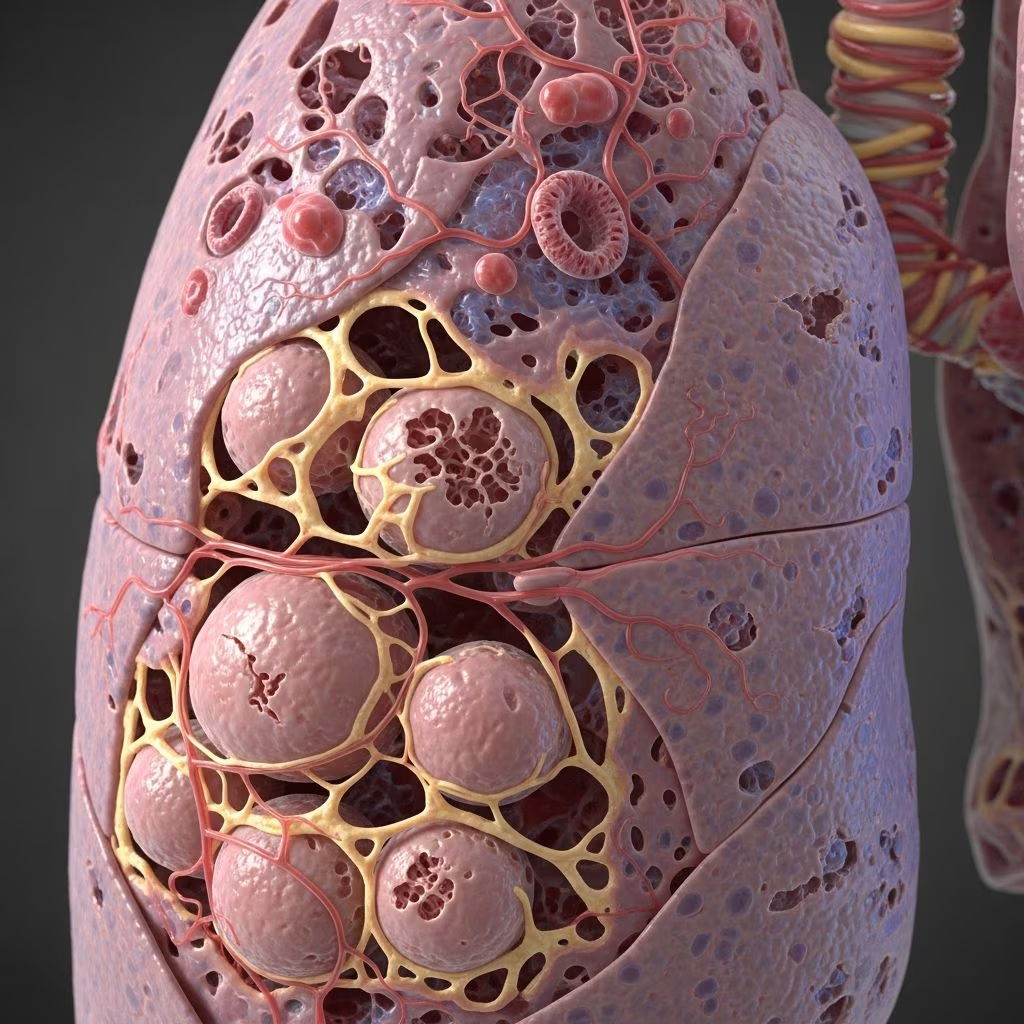
Emphysema represents a serious respiratory condition in cats characterized by irreversible damage to the lung tissue, primarily affecting the alveoli where gas exchange occurs. This disorder often develops as a complication of underlying bronchial issues, leading to overinflation and structural breakdown in the lungs. Cat owners must recognize early indicators to pursue timely veterinary intervention, as effective management can significantly enhance quality of life despite the condition’s permanence.
Defining Feline Emphysema and Its Impact
At its core, emphysema involves the abnormal enlargement of air spaces distal to the terminal bronchioles, accompanied by the destruction of alveolar walls. In cats, this manifests as a loss of elastic recoil in the lungs, impairing efficient breathing. Unlike temporary inflammation, the damage is permanent, making prevention and control of primary causes paramount.
The lungs’ ability to exchange oxygen and carbon dioxide diminishes, forcing cats to exert more effort during respiration. This chronic strain can lead to fatigue, reduced activity, and secondary complications like heart strain if unaddressed.
Primary Causes Behind Lung Overinflation
Emphysema in felines rarely occurs in isolation; it typically arises from prolonged airway obstruction. Key triggers include:
- Chronic Bronchitis: Persistent inflammation narrows airways, trapping air and causing progressive overdistention.
- Feline Asthma (Allergic Bronchitis): Recurrent inflammatory episodes lead to bronchospasm and mucus buildup, fostering alveolar rupture over time.
- Obstructive Neoplasia: Tumors in the lungs or bronchi hinder airflow, mimicking check-valve mechanisms that inflate alveoli unevenly.
- Congenital Anomalies: Rare bronchial malformations, such as cartilage hypoplasia, promote air trapping from birth.
- Environmental Irritants: Exposure to smoke, allergens, or pollution exacerbates bronchial disease, particularly in indoor Siamese cats.
Obesity and poor dental health compound risks by promoting systemic inflammation and bacterial spread to the respiratory tract.
Recognizing the Warning Signs
Symptoms emerge gradually, often following months of subtle respiratory distress. Common presentations include:
- Wheezing and persistent coughing, especially post-exertion.
- Increased respiratory rate and effort, with open-mouth breathing in severe cases.
- Exercise intolerance and lethargy due to oxygen deprivation.
- Rare cyanosis (bluish gums) signaling advanced hypoxia.
Acute exacerbations may mimic asthma attacks, with rapid dyspnea necessitating emergency care. Subcutaneous emphysema, where air leaks under the skin, can occur if alveolar rupture is extensive, palpable as a crackling sensation.
How Emphysema Progresses in Feline Lungs
The pathophysiology begins with obstructive bronchial disease or asthma flares. Air enters alveoli easily during inspiration but struggles to exit due to narrowed airways, creating hyperinflation. Over time, alveolar septa weaken and rupture, forming larger bullae that reduce functional lung volume.
This cycle worsens obstruction by diminishing radial traction on bronchioles, perpetuating air trapping. In end-stage cases, emphysema integrates with chronic obstructive pulmonary disease (COPD), blending with bronchitis features.
| Stage | Key Changes | Clinical Impact |
|---|---|---|
| Early | Mild overinflation from recurrent asthma | Intermittent wheezing, manageable cough |
| Moderate | Alveolar coalescence, reduced elasticity | Chronic dyspnea, activity limitation |
| Advanced | Bullae formation, interstitial damage | Severe respiratory failure, cyanosis |
Diagnostic Approaches for Accurate Assessment
Veterinarians employ a multi-modal strategy to confirm emphysema and pinpoint causes:
- Thoracic Radiography: Reveals hyperlucent lungs, flattened diaphragms, and bullae.
- CT Imaging: Gold standard for delineating alveolar destruction and excluding masses.
- Bronchoalveolar Lavage (BAL): Identifies inflammation, eosinophils (asthma), or pathogens.
- Bloodwork and Pulse Oximetry: Assesses oxygenation and rules out systemic issues like dehydration.
Differentiating from pneumonia or heart disease is crucial, as overlapping signs like dyspnea demand targeted testing.
Treatment Strategies to Alleviate Symptoms
While emphysema defies cure, symptom palliation and primary disease control yield substantial benefits:
- Bronchodilators: Inhaled albuterol relaxes airways, administered via spacer devices for efficacy.
- Glucocorticoids: Oral or injected steroids curb inflammation; long-term use requires monitoring.
- Oxygen Therapy: Critical for acute crises, delivered via nasal cannula or chamber.
- Antibiotics: Targeted if bacterial superinfection complicates the picture.
Supportive measures include weight management, dental prophylaxis, and environmental allergen reduction.
Lifestyle Modifications for Long-Term Management
Holistic care extends beyond medications:
- Maintain pristine indoor air by banning smoking and using HEPA filters.
- Promote lean body condition through portion-controlled, high-quality diets.
- Minimize stress, a known asthma trigger, with pheromone diffusers or quiet spaces.
- Regular veterinary check-ups track progression via serial imaging.
Prognosis remains guarded; cats responding early to therapy often enjoy years of stable health.
Preventive Measures to Safeguard Lung Health
Proactive steps avert progression:
- Vaccination: Against respiratory viruses like FHV-1 to prevent secondary pneumonia.
- Allergen Control: Frequent litter changes, dust-free bedding, and hypoallergenic foods.
- Obesity Prevention: Daily play and monitored feeding from kittenhood.
- Early Intervention: Address coughs or wheezes promptly to halt bronchial damage.
Breeds like Siamese warrant vigilant monitoring due to predisposition.
FAQs on Feline Emphysema
Can cats fully recover from emphysema?
No, the lung damage is irreversible, but diligent management controls symptoms effectively.
Is emphysema linked to feline asthma?
Yes, repeated asthma attacks are a leading cause, causing chronic overinflation.
What home remedies help breathing?
Steam from humidifiers and allergen-free environments aid comfort, but never replace vet-prescribed drugs.
How do I know if my cat has emphysema?
Consult a vet for imaging if wheezing or labored breathing persists beyond acute illness.
Does diet influence emphysema?
Yes, obesity worsens respiratory workload; weight loss improves outcomes.
Advanced Considerations and Complications
Beyond basics, owners should note pneumomediastinum risks from alveolar leaks, treatable conservatively unless ruptured airways demand surgery. Concurrent conditions like dental infections seed lung pathogens, underscoring hygiene. In refractory cases, referral to specialists for advanced inhalers or immunotherapy may apply.
Research highlights protease-antiprotease imbalance in pathogenesis, akin to humans, though feline-specific therapies lag. Future inhalant biologics promise refined control.
References
- Pneumomediastinum and subcutaneous emphysema in a cat — PMC/NCBI. 2011-09-01. https://pmc.ncbi.nlm.nih.gov/articles/PMC3174511/
- Emphysema in Cats (Felis) — Vetlexicon. Undated (accessed 2026). https://www.vetlexicon.com/felis/respiratory/articles/emphysema/
- Pulmonary Emphysema in Animals — Merck Veterinary Manual. Undated (last updated pre-2026). https://www.merckvetmanual.com/respiratory-system/pulmonary-emphysema/pulmonary-emphysema-in-animals
- Emphysema in Cats – Symptoms, Causes, Diagnosis — WagWalking. Undated. https://wagwalking.com/cat/condition/emphysema
- Emphysema in Cats – Cat Owners — MSD Veterinary Manual. Undated. https://www.msdvetmanual.com/cat-owners/lung-and-airway-disorders-of-cats/emphysema-in-cats
- Asthma and Bronchitis in Cats — VCA Animal Hospitals. Undated. https://vcahospitals.com/know-your-pet/inhalant-treatment-for-feline-asthma-and-bronchitis



