

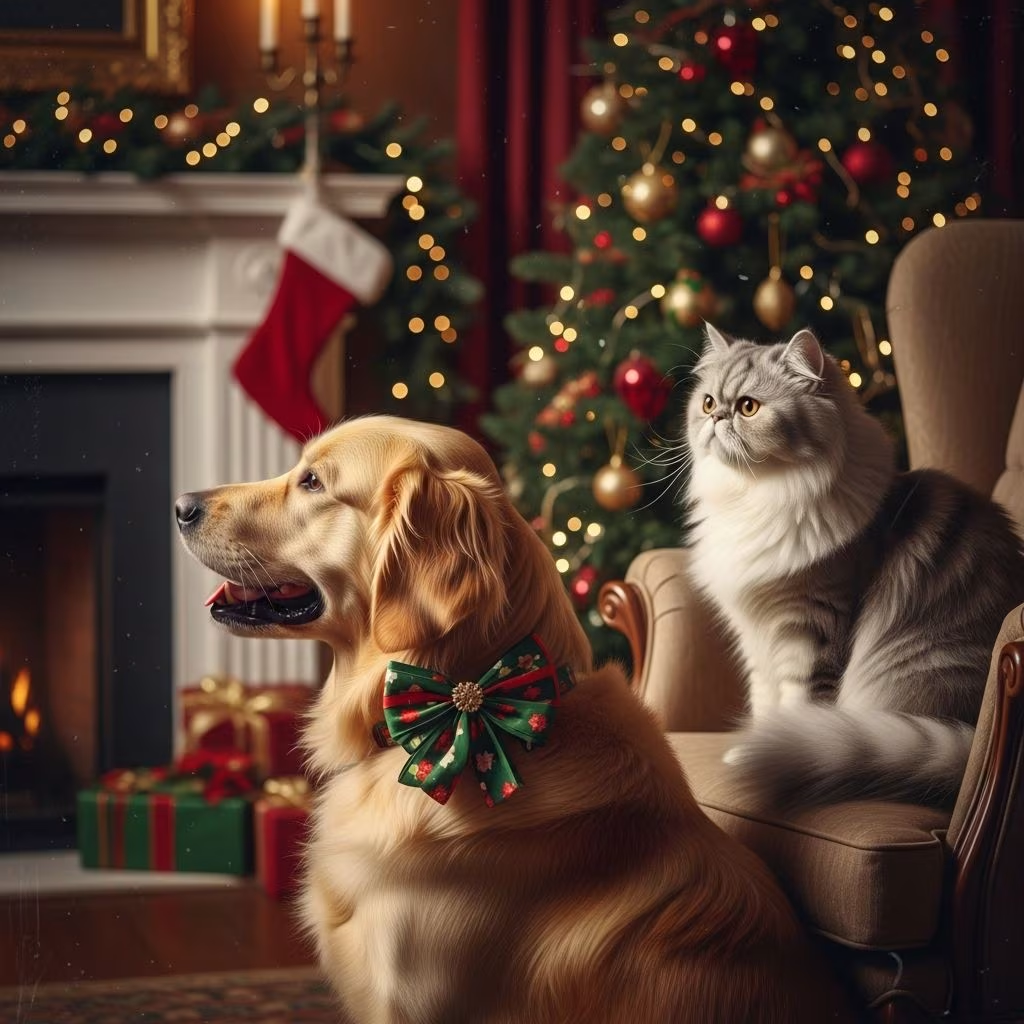
The Ultimate Emily Post Holiday Petiquette Guide
The holiday season brings joy, celebration, and time spent with loved ones. However, if you’re a pet owner hosting gatherings or planning to visit friends and family with your furry companions, it’s essential to ensure everyone—both humans and animals—has a wonderful experience. Holiday petiquette, a term coined to describe proper etiquette involving pets during festive occasions, can make the difference between a memorable celebration and an awkward situation.
To help navigate these potentially tricky social situations, we consulted with Lizzie Post, co-president of the Emily Post Institute and co-host of the Awesome Etiquette podcast. Her expert guidance provides practical advice for both hosts and guests looking to maintain grace, consideration, and respect during holiday festivities while keeping their beloved pets in mind.
Holiday Petiquette For Hosts
As a host, you bear the responsibility of ensuring your guests feel comfortable and welcome in your home. When you have pets, this responsibility extends to managing their behavior and setting clear expectations with your visitors. Here’s what you need to know to be a considerate pet-owning host:
Do: Prep Your Home Thoroughly
Before your guests arrive, take time to pet-proof your home and ensure it’s spotless. Start by vacuuming extensively—multiple times if necessary. Your guests don’t want to find themselves sitting on furniture covered with pet hair or worrying about eating food while surrounded by fur. A clean home demonstrates respect for your visitors and shows that you’ve taken their comfort seriously. Pay special attention to high-traffic areas, furniture surfaces, and spaces where food will be served or consumed.
Beyond cleaning, inspect your home from your pet’s perspective. Remove any items that might be damaged, such as delicate decorations within reach of curious paws or tails. Secure any electrical cords, holiday lights, or other hazards that could pose risks to your animals during the excitement of having guests around.
Do: Create a Plan B for Enthusiastic Feeders
One of the most common challenges during holiday gatherings involves well-meaning guests who want to share their food with your pets. While their intentions are kind, human food can be dangerous for animals and may cause digestive upset or weight gain. Lizzie Post recommends a proactive approach: “I arm my guests with little baggies of treats that are approved for my dog,” she explains. Preparing pet-safe treats in advance gives your guests an appropriate alternative to offering table food.
To make this even more effective, ask guests to have your pet perform a trick or command before receiving a treat. This accomplishes several things simultaneously: it redirects your guests’ attention to appropriate pet interaction, ensures your pet practices good behavior, and makes clear that treat-giving is a controlled activity rather than a free-for-all feeding situation.
Do: Know It’s Acceptable to Decline Other Furry Guests
While you may love your own pets and enjoy having them during the holidays, not every host is comfortable hosting additional animals. If guests ask about bringing their own pets to your gathering, you have every right to decline politely but firmly. Your comfort with managing multiple animals, your home’s capacity, and your existing pets’ temperaments are all valid considerations. Be clear about your policy when guests initially accept your invitation, preventing misunderstandings later.
Do: Manage Pet Behavior During Mealtime
Mealtime during holidays represents one of the most challenging moments for pet management. Delicious aromas fill the air, food sits on tables and counters, and your pets are understandably interested in the feast. However, you must take charge of managing this situation rather than spending the entire meal saying “No” and “Stop.”
One effective strategy involves providing your pet with their own engaging activity during mealtime. Lizzie Post shares her approach: “I like to give my dog a marrow bone when we’re all sitting down to a holiday dinner. That way he’s focused on the bone and not the turkey on the table.” Long-lasting chews, puzzle toys filled with appropriate treats, or even a Kong toy can keep your pet occupied and content while you enjoy your meal with guests.
Consider your pet’s natural behavior patterns and socialization capabilities. If your pet tends to bark excitedly when greeting guests, you might place them outside or in another room until the initial excitement settles. If your pet is crate-trained, placing them in a crate with a special treat or toy makes clear this isn’t punishment but rather a comfortable retreat where they can relax.
Do: Remain Aware of Guest Comfort Levels
As Lizzie Post emphasizes, “If you invite people over to your home, it’s your job to make them comfortable and do everything you can [within reason] to ensure they have a good experience.” This principle extends to managing your pets’ interactions with guests. Pay attention to subtle signs that someone is becoming uncomfortable around your animals—backing away, tensing up, or avoiding eye contact all indicate potential anxiety.
If you notice a guest becoming agitated or anxious around your pet, intervene gracefully and move your animal away. This protects both your guest’s wellbeing and your pet’s safety, ensuring a positive experience for everyone involved.
Don’t: Forget to Inform Guests About Your Pets
This ranks as the biggest pet etiquette mistake hosts make. If you have pets, your guests absolutely must know this before arriving at your home. Some people have allergies, phobias, or simply prefer not to interact with animals. Withholding this information until they arrive is inconsiderate and may force them into an uncomfortable situation.
When guests confirm their attendance, clearly state what pets you have, their approximate size, and their general temperament. This allows guests to make informed decisions about attending and to prepare mentally for the encounter. They may ask questions about your pet’s behavior, and you should answer honestly.
Don’t: Allow Your Pet to Become a Mealtime Distraction
While your pet is part of your family, holiday gatherings are social occasions where guests should feel comfortable focusing on conversation and connection. A pet constantly seeking attention, begging at the table, or demanding interaction detracts from the gathering’s purpose. Set boundaries that keep your pet content but separate from the dining area during meals.
Don’t: Assume Everyone Loves Your Pet
This common mistake causes significant discomfort. Even if you find your pet absolutely delightful, not all guests share your perspective. Some people fear dogs or cats, others have allergies, and some simply don’t enjoy pet companionship. Never assume your guests want to pet your animal, have them climb on their lap, or interact closely. Always ask first, and respect any hesitation or refusal without taking offense.
Holiday Petiquette For Guests
If you’re a guest in someone else’s home—especially if you’re considering bringing your pet—you have significant responsibilities to ensure you’re a respectful visitor. Here’s how to navigate these situations with grace and consideration:
Do: Express Discomfort or Fear Honestly
If you’re uncomfortable around animals or afraid of a host’s pet, speak up early and directly. Pull your host aside privately and express your concerns respectfully. For example, you might say, “I appreciate the invitation, but I’m somewhat anxious around large dogs. Would you be comfortable keeping your pet separated while I visit?” Most considerate hosts will make accommodations to help you feel safe and welcome.
Do: Ask Permission Before Bringing Your Pet
Never assume you can bring your pet to someone else’s home without explicit permission, even if you believe your pet is well-behaved. Always ask directly, and inquire about specific house rules regarding your pet’s behavior, crating, or other arrangements. Phrase your request in a way that doesn’t put your host on the spot. According to etiquette guidelines, you might say something like, “Would it be possible for me to bring my cat this year? I’d be happy to arrange whatever works best for you.”
If your pet is a young kitten or puppy prone to scratching or chewing, inform your host ahead of time. This allows them to pet-proof their home by putting away vulnerable items or securing furniture. Such advance notice shows respect for their property and demonstrates that you understand your pet’s potential impact.
Do: Acknowledge and Fix Any Damage
Accidents happen, even with well-trained pets. If your pet damages furniture, leaves an accident, or causes any other mishap, immediately acknowledge it and offer to repair or replace the damaged item. Take responsibility without making excuses, and follow through with your commitment to make things right. This demonstrates maturity and respect for your host’s home and possessions.
Do: Bring Protective Measures for Furniture
If you’re concerned your pet might jump on furniture or cause damage, take proactive steps to minimize impact. Ask your host if you can bring furniture covers or blankets to place on pieces your pet might use. This shows consideration for their belongings while allowing you to bring your pet along. If your pet tends to shed heavily, consider purchasing a shedding brush and giving your pet a thorough comb-down before heading to the gathering.
Do: Ensure Your Pet Is Groomed and Clean
Bringing a clean, well-groomed pet demonstrates respect for your host and other guests. Whether you have your pet professionally groomed or groom them yourself, ensure they smell nice, are free from dirt, and have their nails filed down. A well-groomed pet is less likely to damage furniture or floors and makes a better impression on guests who might be encountering your animal. Just as you take time to look nice for the occasion, your pet deserves holiday pampering too.
Don’t: Bring a Furniture-Loving Pet Without a Plan
If your pet has a tendency to scratch furniture, chew on items, or otherwise cause damage, never bring them to someone else’s home without a comprehensive plan for management. Discuss specific strategies with your host in advance. Will you crate your pet? Use a pet playpen? Keep them in a specific room? Have protective barriers in place? Address these logistics before arriving, not after your pet has caused problems.
Don’t: Handle or Correct Another Person’s Pets
Even if you notice a host’s pet misbehaving, resist the urge to correct or handle their animal without permission. This applies even if the pet is doing something you find annoying or concerning. Correcting another person’s pet undermines their authority, may confuse the animal, and could damage your relationship with your host. If a host’s pet is genuinely problematic, discuss it with the host privately and respectfully, allowing them to manage their own animal.
Don’t: Allow Your Pet to Be Unsupervised
If you bring your pet to a gathering, you are responsible for their supervision at all times. Don’t assume other guests will watch your animal or that your pet won’t get into trouble if left unattended. Keep your pet close, monitor their interactions with guests and other animals, and intervene immediately if problems arise. Your presence and active management demonstrate that you’re a responsible pet owner who respects your host’s home.
General Holiday Pet Safety Reminders
Beyond etiquette considerations, remember that holiday environments present specific hazards for pets. Decorations, holiday plants like poinsettias and lilies, chocolate, alcohol, and small ornaments can all pose dangers. Keep harmful substances and objects out of your pet’s reach, ensure they have access to fresh water, and maintain their regular feeding schedule despite holiday disruptions. If your pet seems stressed by the festivities, provide a quiet, safe space where they can retreat and decompress.
Frequently Asked Questions
Q: What should I do if my host has pets but I’m allergic?
A: Inform your host about your allergy when accepting the invitation. Many hosts can take steps to minimize allergen exposure, such as keeping pets in certain areas, using air purifiers, or thoroughly cleaning before your visit. If significant allergies prevent your attendance, explain this honestly and suggest alternative ways to celebrate together.
Q: Is it appropriate to bring a pet as a plus-one if the host didn’t mention pets?
A: No. Never assume pets are welcome. Always ask directly before bringing any animal to someone else’s home. Most hosts will appreciate the courtesy of asking and will let you know whether it’s possible.
Q: How can I prevent my pet from begging during holiday meals?
A: Feed your pet before guests arrive or provide them with an engaging activity like a puzzle toy or long-lasting chew during mealtime. Establish clear boundaries and don’t allow guests to feed your pet from the table, as this encourages continued begging.
Q: What if another guest’s pet is bothering my pet?
A: Speak with your host privately and calmly about the situation. Don’t intervene directly or correct the other person’s pet. Your host can help manage the situation by separating the animals or addressing the issue with their guest.
Q: Should I apologize for my pet’s behavior even if the host doesn’t mention it?
A: If your pet caused an issue you observed—such as an accident or damage—yes, you should acknowledge it and offer to help remedy the situation. If everything seemed fine, a simple thank-you to your host for including your pet is appropriate.
References
- The Ultimate Emily Post Holiday Petiquette Guide — Chewy.com. 2025. https://www.chewy.com/education/cat/training-and-behavior/emily-post-holiday-petiquette
- Emily Post’s Etiquette: 17th Edition — Emily Post Institute. 2011. Reprinted guidance on pet etiquette.
- Giving Pets as Gifts: 4 Rules to Follow — WebMD Pets. 2025. https://www.webmd.com/pets/features/giving-pets-as-gifts
- Traveling With Dogs: How to Behave in Someone Else’s House — VetStreet. 2025. https://www.vetstreet.com/our-pet-experts/traveling-with-dogs-how-to-behave-in-someone-elses-house



