
Emergency Vomit Induction in Dogs: Protocols
Critical guidance on when and how veterinarians manage toxin ingestion in canines
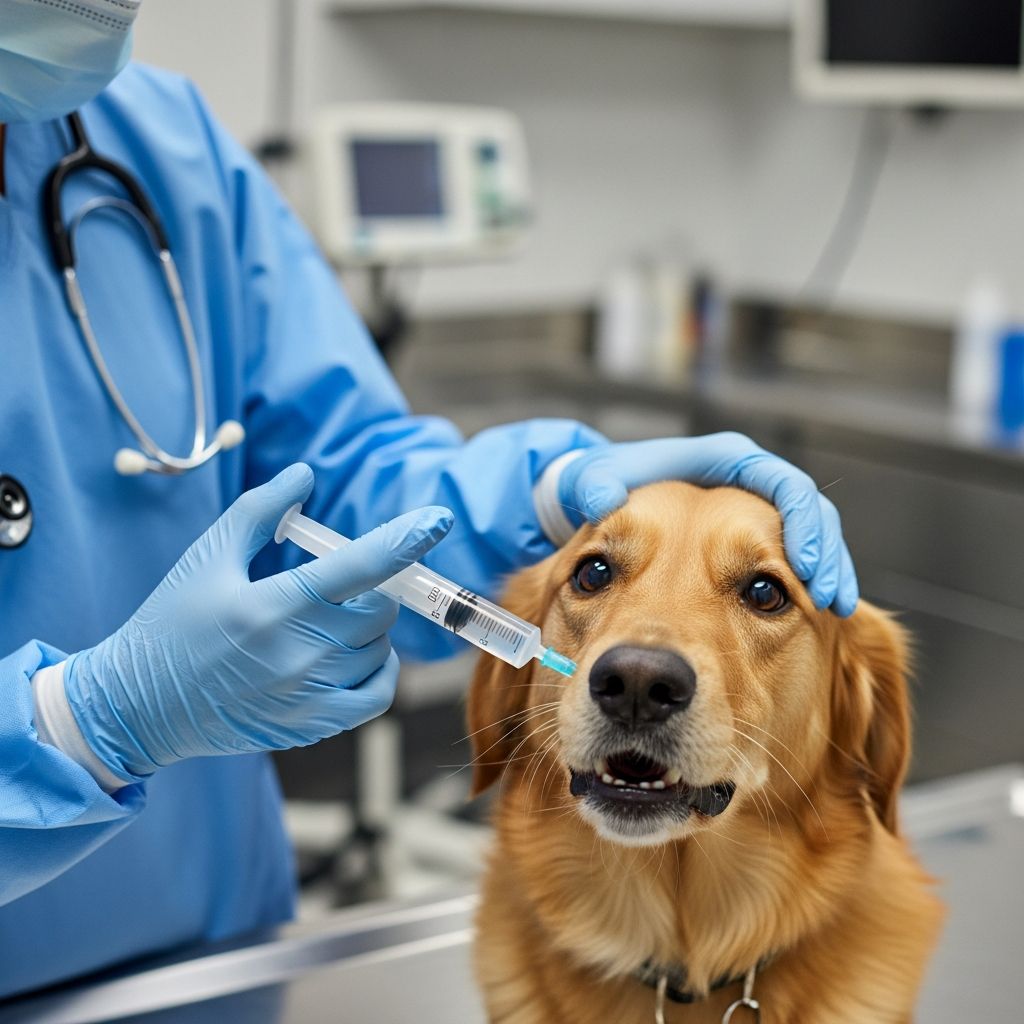
When a dog ingests a potentially toxic substance, time becomes critically important. One of the most effective emergency interventions veterinarians can perform is inducing vomiting to remove harmful materials from the stomach before they are absorbed into the bloodstream. This procedure, while sometimes necessary, requires careful consideration of multiple factors and should only be performed under professional veterinary guidance.
The Critical Window: Why Timing Matters
The effectiveness of vomit induction depends largely on how quickly the procedure is performed after toxin ingestion. Most veterinarians recommend inducing vomiting within 1-2 hours of suspected ingestion, though this window can extend to 3-4 hours depending on the specific substance involved. After this timeframe, the toxic material may have already passed from the stomach into the small intestine, making vomiting less effective at preventing absorption.
Understanding what your dog consumed is essential for determining whether induction is appropriate. Different toxins have varying absorption rates, and some substances actually cause more harm if vomited. This is precisely why professional veterinary assessment is irreplaceable—your veterinarian can quickly evaluate the substance and determine the safest course of action.
Substances That Warrant Vomit Induction
Certain commonly encountered toxins are good candidates for vomit induction protocols. Chocolate, xylitol (artificial sweetener found in sugar-free products), and raisins represent frequent sources of accidental canine poisoning. Other candidates include many medications, certain plants, rodent baits, and human food items that prove toxic to dogs.
Dogs commonly experience vomiting from dietary indiscretion—eating trash, table scraps, or spoiled food. However, not all instances of dietary indiscretion require professional intervention. Your veterinarian will help distinguish between minor stomach upset and potentially serious toxin exposure.
When Vomit Induction Is Contraindicated
Despite its utility, vomit induction is not appropriate in all situations. Certain substances cause additional damage if brought back up through the esophagus and throat. Caustic materials like cleaners, petroleum products, and strong acids should never be induced because they damage tissue during regurgitation just as they did during initial ingestion.
Dogs that are already vomiting, lethargic, or showing signs of seizure activity should not undergo induction procedures. Similarly, brachycephalic breeds (flat-faced dogs like Bulldogs and Pugs) face increased anesthetic risks and may require modified protocols. Dogs with known gastrointestinal obstruction should not have vomiting induced, as this can potentially rupture the intestinal wall.
Veterinary Induction Medications and Procedures
Veterinarians employ several pharmaceutical approaches to induce vomiting safely. Injectable medications and controlled-release tablets are commonly used to stimulate the vomiting reflex. Specific medications including Metoclopramide and other veterinary-approved antiemetic alternatives help manage the vomiting process safely.
The procedure typically occurs at the veterinary clinic where trained staff can monitor your dog’s response and collect any expelled material for examination. Your veterinarian may perform additional diagnostic tests to ensure nothing harmful remains in the stomach and to assess whether your dog requires follow-up care.
Post-Induction Care and Monitoring
After successful vomiting induction, your dog’s care doesn’t end. Veterinarians typically prescribe medication to stop ongoing vomiting and recommend a strict bland diet to allow the stomach to return to normal. Hydration becomes particularly important following the procedure.
Some cases may require fluid therapy if the dog is dehydrated. Your veterinarian will monitor your dog’s condition and may recommend additional testing to ensure no toxic substance remains in the system or has caused internal damage.
Recognizing When Emergency Care Is Needed
Certain symptoms indicate your dog requires immediate veterinary attention after suspected toxin ingestion:
- Rapid onset of vomiting or retching
- Visible blood in vomit
- Signs of abdominal pain (hunched posture or whining)
- Lethargy or depression
- Loss of appetite lasting more than a few hours
- Unusual behavioral changes
- Difficulty breathing
- Convulsions or seizure activity
Do not delay seeking professional care while attempting home remedies. Frequent throwing up accompanied by symptoms like abdominal pain, weakness, vomit with blood, depression, weight loss, dehydration, fever, or weakness requires veterinary evaluation.
Common Toxin Scenarios and Initial Response
If you witness your dog consuming a potentially toxic substance, your first action should be to contact your veterinarian or an animal poison control center immediately. Many veterinary clinics have established relationships with poison control services and can quickly receive specific guidance about the substance involved.
Bring the packaging or container of the substance if possible, as specific information helps your veterinarian make rapid decisions. If your dog has already vomited, attempting to preserve a sample can help your veterinarian identify what was ingested.
Prevention Strategies for Pet Owners
While vomit induction serves as an important emergency tool, prevention remains far more effective than emergency intervention. Store all medications, cleaning supplies, and potentially toxic foods securely away from your dog’s reach. Be particularly cautious with products containing xylitol, which has become increasingly common in sugar-free items.
Keep chocolate, grapes, raisins, and foods containing garlic or onions completely inaccessible. Many human medications are toxic to dogs, so secure your medicine cabinet carefully. Educate family members and visitors about foods and substances that pose risks to your canine companion.
Understanding Your Dog’s Risk Factors
Certain dogs face elevated risk of accidental toxin ingestion. Young, unvaccinated puppies exposed to contagious disease and immunocompromised senior dogs show increased vulnerability. Dogs with a history of dietary indiscretion or those who spend unsupervised time in areas where toxins are present require particularly vigilant monitoring.
Behavioral factors matter significantly—curious puppies and dogs prone to scavenging face higher risk than more careful animals. Understanding your individual dog’s personality and tendencies helps you implement targeted prevention strategies.
When Home Observation Is Appropriate
Not every instance of vomiting requires emergency induction protocols. A singular episode of dog vomiting isn’t always a medical emergency, and you can manage vomiting at home by withholding food for a few hours or offering a bland diet. If your dog throws up and continues eating with normal bowel movements, it might be an isolated incident.
However, if your dog is vomiting and not eating, professional evaluation is warranted. Monitor for escalating symptoms that would indicate the need for veterinary intervention, and never hesitate to contact your veterinarian if you’re uncertain about whether your dog requires evaluation.
Frequently Asked Questions
Can I induce vomiting at home?
Inducing vomiting at home using hydrogen peroxide or other methods is generally not recommended and can be dangerous without professional guidance. Your veterinarian has access to safer, more effective medications and can monitor your dog’s response to ensure the procedure doesn’t cause additional harm.
How long after eating something toxic should I seek help?
Seek veterinary help immediately upon discovering or suspecting toxin ingestion. Time is critical, and veterinarians can act quickly if the ingestion occurred within the induction window. Never wait to see if symptoms develop.
What happens if induction doesn’t work?
If vomiting induction is unsuccessful, your veterinarian may recommend activated charcoal to bind toxins in the stomach, enhanced monitoring, or other supportive care depending on the substance involved and your dog’s condition.
Are all dogs good candidates for vomit induction?
No. Dogs with certain health conditions, those taking specific medications, and dogs with certain anatomical characteristics may not be suitable candidates. Your veterinarian will assess your individual dog’s safety before proceeding.
How much does vomit induction typically cost?
Costs vary based on your location and veterinary clinic, but emergency vomit induction procedures typically range from several hundred to over a thousand dollars depending on associated diagnostics and monitoring required.
Building Your Emergency Preparedness Plan
Having a plan before an emergency occurs helps you respond quickly and effectively. Maintain a list of emergency veterinary clinics in your area, including those operating after hours and on weekends. Store poison control contact information prominently—many regions have dedicated animal poison hotlines staffed by experts who can provide immediate guidance.
Keep detailed records of your dog’s medications and any previous health issues, as this information helps veterinarians make rapid decisions during emergencies. Discuss emergency protocols with your regular veterinarian during routine visits so you both understand how to proceed if toxin exposure occurs.
References
- Vomiting in Dogs – Dog Owners — Merck Veterinary Manual (Merck & Co., Inc.). 2024. https://www.merckvetmanual.com/dog-owners/digestive-disorders-of-dogs/vomiting-in-dogs
- Vomiting in Dogs – PetMD — PetMD (Chewy, Inc.). 2024. https://www.petmd.com/dog/symptoms/vomiting-in-dogs
- Dog Vomiting: Causes, Treatment, and Related Symptoms – WebMD — WebMD Pets (WebMD LLC). 2024. https://www.webmd.com/pets/dogs/vomiting-dogs-causes-treatment
- Dog Vomiting Causes and Treatments: Essential Guide — Riverbend Pet Emergency Clinic. 2024. https://www.riverbendpet.com/dog-vomiting-causes-treatments/
- Vomiting in Dogs – When to Head to The Vet — Pacific Santa Cruz Veterinary Clinic. 2024. https://www.pacificsantacruzvet.com/site/blog/2024/05/15/dog-vomiting
- Vomiting and Diarrhoea | Gastroenteritis in Dogs – Blue Cross — Blue Cross (UK). 2024. https://www.bluecross.org.uk/advice/dog/health-and-injuries/vomiting-and-diarrhoea-in-dogs
Similar Articles








Read full bio of medha deb




