
Emergency Resuscitation Techniques for Companion Animals
Master life-saving resuscitation protocols for dogs and cats in critical situations
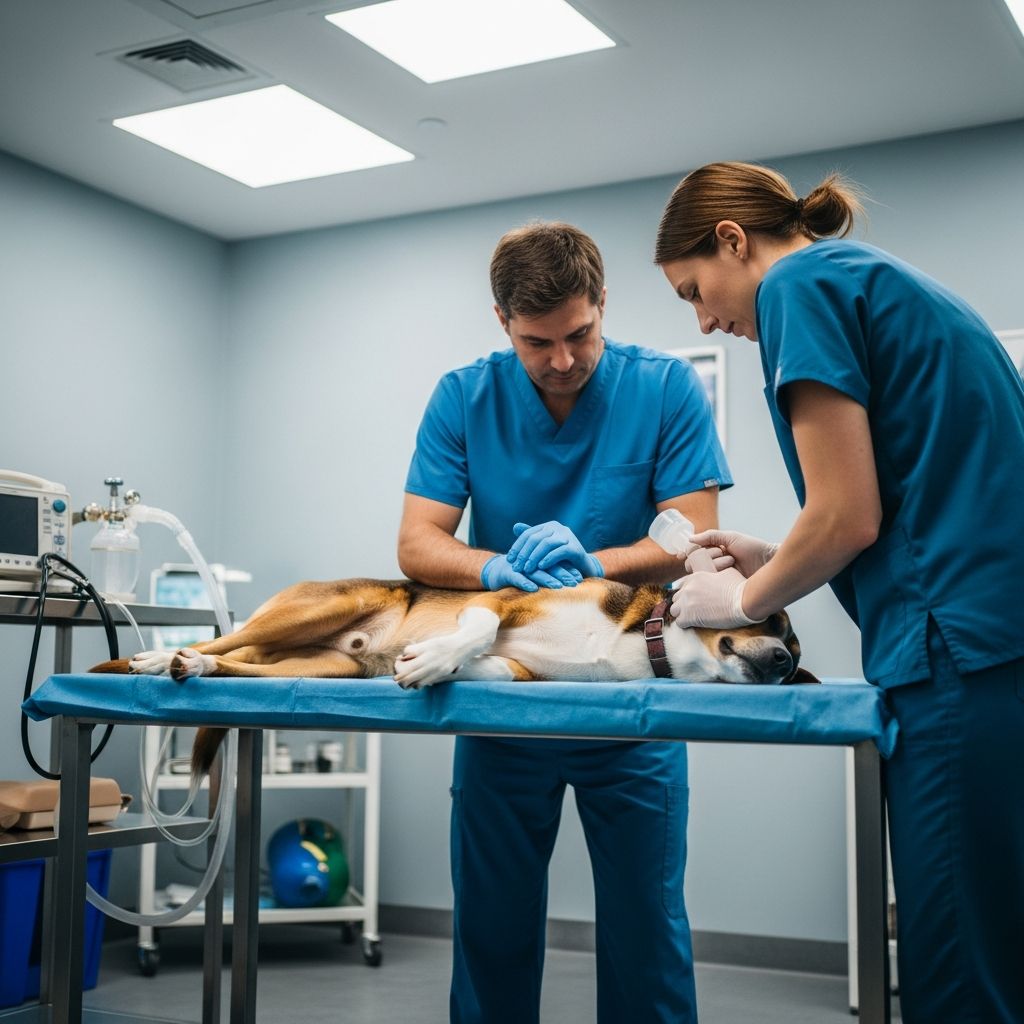
Cardiopulmonary arrest represents one of the most critical emergencies in veterinary medicine, demanding immediate and skillful intervention to maximize survival outcomes. When a dog or cat experiences sudden cessation of heart and lung function, the window for effective intervention narrows dramatically, making knowledge of proper resuscitation techniques essential for veterinary professionals and informed pet owners. This comprehensive guide explores the current evidence-based approaches to reviving animals in cardiac distress, encompassing initial assessment, manual intervention techniques, and advanced therapeutic measures.
Recognizing Cardiopulmonary Arrest and Initial Assessment
The first critical step in any resuscitation attempt involves rapidly identifying whether an animal has experienced cardiopulmonary arrest. Recognition requires assessment of three primary indicators: absence of consciousness, lack of palpable pulse, and cessation of spontaneous breathing. In practical settings, veterinary teams must act with urgency, as delays in initiating resuscitation significantly diminish survival probabilities.
Upon encountering an unresponsive animal, immediate evaluation should focus on determining airway patency. If the airway is clear and unobstructed, chest compressions should begin without delay. However, if obstruction is suspected, rapid clearing of the airway takes precedence before initiating mechanical revival efforts. This streamlined assessment approach ensures that life-saving interventions commence as quickly as possible.
Fundamental Compression Methodologies and Patient Positioning
The foundation of successful resuscitation relies on delivering high-quality chest compressions that generate adequate blood circulation throughout the body. The technique selection depends primarily on the animal’s thoracic conformation and body size, requiring providers to understand multiple compression approaches.
Compression Techniques Based on Thoracic Architecture
Animals with varied thoracic shapes require different compression methodologies to optimize effectiveness. The thoracic pump technique applies pressure over the broadest portion of the chest cage in animals whose thorax is equally proportioned between width and height. This approach compresses the entire thoracic cavity, increasing intrathoracic pressure and promoting blood circulation.
In contrast, smaller animals weighing under 10 kilograms with keel-shaped chests benefit from the cardiac pump technique, wherein compressions are applied directly over the cardiac location at the third to fifth intercostal space. This targeted approach provides more direct pressure to the heart itself.
Wide-chested breeds such as Bulldogs require specialized positioning and technique. These animals should be placed in dorsal recumbency (lying on their back) with compressions directed over the sternum. This positioning and technique modification accounts for their unique anatomical structure.
Compression Rate and Depth Parameters
Regardless of animal size or thoracic conformation, compression delivery should maintain a consistent rate of 100 to 120 compressions per minute. This standardized rate ensures adequate perfusion pressure to vital organs while remaining sustainable for extended periods.
Compression depth varies according to patient positioning. For animals in lateral recumbency (lying on their side), compression should compress one-third to one-half of the thoracic wall width. Animals positioned in dorsal recumbency require less aggressive compression, targeting approximately one-fourth of the chest wall depth. Each compression must be delivered rapidly with full chest recoil between compressions, allowing the thoracic cavity to re-expand completely.
Ventilation and Airway Management Strategies
Simultaneous ventilation accompanies chest compressions, with coordinated delivery of rescue breaths ensuring oxygenation and carbon dioxide elimination. The integration of breathing support with mechanical circulation represents a cornerstone of effective resuscitation.
Intubation and Formal Ventilation Protocols
When personnel and equipment availability permit, placement of an endotracheal tube provides the most reliable airway management. A cuffed endotracheal tube with inflated cuff allows controlled ventilation at precisely delivered rates and volumes. Breaths should be delivered at 10 per minute with a tidal volume approximating 10 milliliters per kilogram and an inspiratory time of one second.
Proper tube placement requires visualization using a laryngoscope, confirming that the tube passes through the arytenoid cartilages. Additional confirmation methods include auscultation for breath sounds, observation of chest wall movement during ventilation, and capnometry detection of exhaled carbon dioxide. These multiple verification techniques prevent inadvertent esophageal intubation, which would render ventilation efforts ineffective.
Alternative Ventilation Methods Without Intubation
In single-rescuer scenarios or when intubation equipment proves unavailable, alternative ventilation methods become necessary. Contemporary guidelines recommend utilizing a manual resuscitator bag paired with a tight-fitting face mask rather than traditional mouth-to-snout respiration. Masks lacking vents, or with vents occluded, paired with rubber gaskets to ensure seal integrity, provide more efficient ventilation while minimizing zoonotic disease transmission risks to rescuers.
When appropriate mask equipment is unavailable and zoonotic disease concerns exist, compression-only CPR—delivering chest compressions without ventilation attempts—may be considered. For patients receiving ventilation without intubation, a compression-to-ventilation ratio of 30 compressions to 2 breaths guides the resuscitation sequence.
Medication Administration During Resuscitation
Pharmaceutical interventions support resuscitation efforts by enhancing blood pressure, improving organ perfusion, and potentially restoring cardiac rhythm. Vasopressor agents constitute the primary medication class used during cardiopulmonary arrest, with epinephrine serving as the most commonly employed agent.
Vasopressor Therapy and Circulation Enhancement
Vasopressor medications function by increasing systemic vascular resistance, thereby elevating coronary and cerebral perfusion pressure. Epinephrine, a nonselective adrenergic agonist, stimulates both alpha and beta adrenergic receptors. Alpha stimulation produces peripheral vasoconstriction, while beta stimulation generates positive inotropic effects that increase heart contractility. The combined action enhances circulation during arrest conditions.
Vascular Access Routes and Timing
Medication administration route significantly impacts drug efficacy and treatment outcomes. Current evidence-based recommendations prioritize intravenous catheter placement as the preferred access method. Intravenous administration provides direct drug delivery into the circulatory system, ensuring rapid distribution to target tissues.
When intravenous access cannot be established within two minutes of resuscitation commencement, intraosseous catheter placement becomes the next option. This technique involves placing a catheter directly into the bone marrow cavity, allowing medication absorption into the circulation. Skilled teams may attempt simultaneous intravenous and intraosseous access when adequate personnel are available, optimizing the probability of successful drug administration.
Electrical Defibrillation for Specific Cardiac Rhythms
Certain cardiac arrhythmias, particularly ventricular fibrillation and pulseless ventricular tachycardia, respond dramatically to electrical defibrillation. This therapeutic modality delivers controlled electrical current to the myocardium, potentially restoring organized cardiac activity.
Defibrillation Technology and Applications
Biphasic defibrillators, which deliver current in alternating directions, demonstrate superior effectiveness compared to monophasic systems. When defibrillation is indicated, single-shock therapy is recommended rather than repeated shocks to minimize interruption of chest compressions, which remain critical for maintaining perfusion.
Timing Considerations for Electrical Therapy
The duration of arrest influences defibrillation timing decisions. For ventricular fibrillation or pulseless ventricular tachycardia of less than four minutes duration, immediate defibrillation is recommended, as minimal myocardial ischemia has occurred. Conversely, when arrest duration exceeds four minutes, a two-minute cycle of basic life support precedes defibrillation to maximize coronary perfusion before electrical therapy application.
Coordinating Resuscitation Team Efforts
Successful resuscitation rarely occurs through individual effort; instead, coordinated team participation optimizes outcomes. Clear role assignment and regular personnel rotation prevent fatigue and maintain resuscitation quality throughout extended efforts.
Team Composition and Role Distribution
When multiple providers are available, one person should assume primary responsibility for chest compressions while another manages the airway and ventilation. This division of labor allows each provider to maintain focus on their assigned tasks without distraction.
Compression Cycles and Provider Rotation
Chest compressions should proceed in uninterrupted two-minute cycles, after which a new provider assumes compression responsibilities. This rotation schedule combats fatigue-induced deterioration of compression quality, ensuring consistently effective manual circulation throughout the resuscitation period. The transition between compressors should occur rapidly to minimize interruption of blood flow.
Advanced Interventions: Open-Chest Resuscitation
When closed-chest basic life support fails to achieve return of spontaneous circulation or detectable blood flow after five to ten minutes of effort, open-chest cardiopulmonary resuscitation may be considered. This surgical intervention involves opening the thoracic cavity to provide direct cardiac access and manipulation.
Indications and Technical Considerations
Open-chest resuscitation requires surgical expertise and substantial additional resources. Animals surviving this intervention require hemorrhage control, pleural cavity lavage, thoracostomy tube placement, perioperative antimicrobial administration, and surgical wound closure. The invasiveness and complexity of this procedure necessitate careful consideration of appropriateness based on underlying cause, patient stability, and likely recovery prospects.
Frequency of Reassessment and Prognosis Evaluation
During resuscitation attempts, periodic reassessment determines whether spontaneous circulation has returned or whether continued efforts remain warranted. After performing 50 to 60 compressions, providers should briefly assess for the presence of a palpable pulse or organized cardiac rhythm. If resuscitation efforts continue beyond two to three minutes without evident response, the likelihood of successful neurological recovery diminishes considerably.
However, continued resuscitation during transport to advanced care facilities remains recommended, as some animals maintain potential for recovery even after prolonged arrest periods. Decisions regarding resuscitation termination should incorporate the underlying cause of arrest, duration of uncontrolled arrest, and response to initial interventions.
Post-Resuscitation Care and Monitoring
Animals achieving return of spontaneous circulation face substantial risks from post-arrest syndrome, characterized by organ dysfunction, metabolic derangements, and potential reperfusion injury. Intensive monitoring and supportive care during the immediate post-arrest period significantly influences ultimate survival and neurological outcomes.
Early goal-directed therapy, focused on optimizing hemodynamic parameters, minimizing organ dysfunction, and preventing multiple-organ failure, represents best practice in post-resuscitation management. Temperature regulation, fluid management, oxygenation optimization, and monitoring for arrhythmia recurrence constitute essential elements of comprehensive post-arrest care.
Evidence and Outcome Data in Veterinary Resuscitation
Return of spontaneous circulation following cardiopulmonary arrest in veterinary patients ranges from 35% to 55%, comparing unfavorably with the 61% rate achieved in human medicine. Survival to discharge rates in veterinary patients—ranging from 6% to 19%—similarly lag behind human outcomes at approximately 25%. These disparities likely reflect differences in arrest circumstances, underlying disease severity, and immediate access to advanced care facilities.
Practical Considerations for Resuscitation Success
Quality of chest compressions and adequate ventilation remain the most fundamental determinants of resuscitation success. Providers should prioritize these foundational elements before advancing to complex interventions. Maintaining consistent compression rate, ensuring full chest recoil, preventing rescuer fatigue through timely provider rotation, and delivering coordinated ventilation form the essence of effective resuscitation.
Pet owners may perform basic resuscitation techniques on their animals while transporting them to veterinary facilities. Knowledge of proper compression technique, rate, and coordination with ventilation enables owners to initiate life-saving intervention before professional care becomes available.
Key Performance Metrics for Resuscitation Quality
| Parameter | Target Value | Clinical Significance |
|---|---|---|
| Compression Rate | 100-120 per minute | Ensures adequate perfusion pressure |
| Compression Depth (Lateral) | 1/3 to 1/2 chest width | Generates sufficient intrathoracic pressure |
| Compression Depth (Dorsal) | 1/4 chest wall depth | Prevents excessive trauma to wide-chested breeds |
| Ventilation Rate | 10 breaths per minute | Maintains oxygenation without excessive pressure |
| Tidal Volume | 10 mL/kg | Delivers adequate oxygen to lungs |
| Compression Cycles | 2 minutes before rotation | Maintains quality while preventing rescuer fatigue |
Frequently Asked Questions About Animal Resuscitation
How quickly must resuscitation begin after arrest detection?
Resuscitation should commence within seconds of recognizing cardiopulmonary arrest. Every minute of delay significantly reduces survival probability, making immediate intervention critical to success.
Can pet owners perform CPR on their animals?
Yes, trained pet owners can perform basic CPR including chest compressions and mouth-to-snout respiration. However, professional veterinary care remains essential and should be sought immediately while performing resuscitation.
What determines whether open-chest resuscitation becomes necessary?
Open-chest resuscitation is considered after five to ten minutes of unsuccessful closed-chest CPR or when specific injuries warrant direct cardiac access. The decision requires careful assessment of underlying causes and likely recovery prospects.
Why does veterinary resuscitation have lower success rates than human CPR?
Several factors contribute to lower veterinary outcomes, including delayed recognition of arrest, underlying disease complexity, limited access to immediate advanced care, and anatomical variations requiring technique modification across species.
What should be done if resuscitation appears unsuccessful after extended efforts?
Decisions regarding resuscitation termination involve weighing the underlying cause, arrest duration, response to interventions, and owner wishes. Some animals warrant continued efforts during transport, while others may have minimal recovery prospects.
References
- Revised CPR Guidelines in Dogs, Cats Emphasize Speed, Standard Techniques — American Veterinary Medical Association. February 2024. https://www.avma.org/news/revised-cpr-guidelines-dogs-cats-emphasize-speed-standard-techniques
- 2024 Veterinary CPR Guidelines — RECOVER Initiative. 2024. https://recoverinitiative.org/2024-guidelines/
- CPR for Dogs and Cats: The RECOVER Guidelines — Today’s Veterinary Practice. https://todaysveterinarypractice.com/emergency-medicine-critical-care/cardiopulmonary-resuscitation-the-recover-guidelines/
- EMS Canine Cardiopulmonary Resuscitation — National Center for Biotechnology Information (NIH). https://www.ncbi.nlm.nih.gov/books/NBK599555/
- How to Perform Pet CPR — American Red Cross. https://www.redcross.org/take-a-class/cpr/performing-cpr/pet-cpr
- How Dogs and Cats Can Get Lifesaving CPR from Their Owners — American Heart Association. April 2025. https://www.heart.org/en/news/2025/04/10/how-dogs-and-cats-can-get-lifesaving-cpr-from-their-owners
Similar Articles








Read full bio of medha deb


