

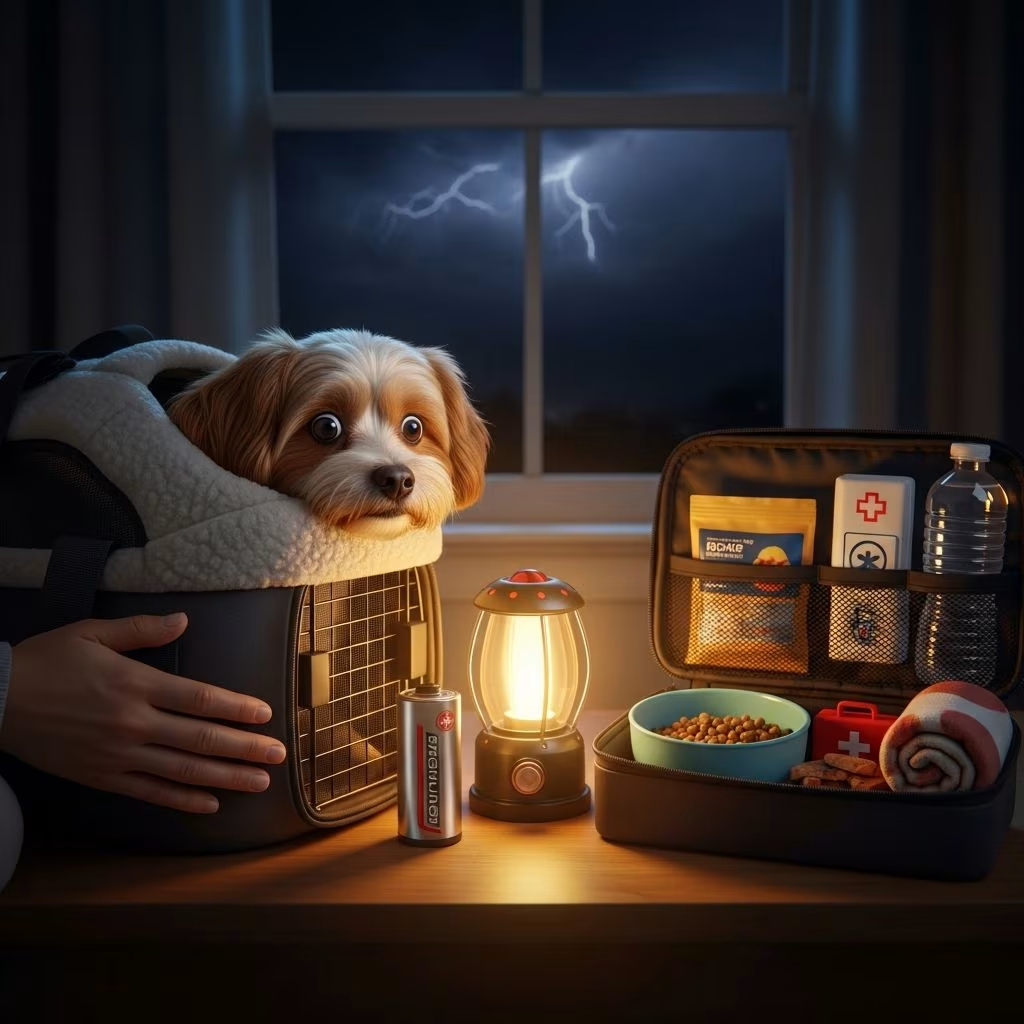
When the power fails unexpectedly, most households focus on their immediate human needs. However, pet owners must also consider how power outages affect their small animal companions. Rodents, rabbits, birds, and other pocket pets are particularly vulnerable during electrical disruptions because they depend on environmental stability for survival. Unlike larger animals that can adapt more quickly, small pets require specific conditions to maintain their health and wellbeing during emergencies.
Understanding how to prepare for and manage power outages with small pets is essential knowledge for responsible pet ownership. This comprehensive guide provides actionable strategies to keep your small animal companions safe, comfortable, and healthy when electricity is unavailable.
Building Your Small Pet Emergency Preparedness Kit
The foundation of power outage readiness begins with assembling a dedicated emergency kit specifically designed for your small pets. This kit should be organized, easily accessible, and stored in a location you can reach quickly during a crisis.
Essential Supplies and Equipment
Your emergency kit should contain multiple categories of supplies organized for easy retrieval:
- Sufficient food reserves: Store at least a two-week supply of your pet’s regular food in airtight, waterproof containers. Small animals have specific dietary requirements, and switching foods suddenly during stress can cause digestive problems. Include any specialty foods or supplements your pet requires.
- Water storage and backup: Keep bottled water specifically for your pets, aiming for one gallon per small pet per day. Include a battery-operated water fountain or manual water dispensers that don’t require electricity. Fill bathtubs and sinks with water before predicted outages to provide backup supplies.
- Medications and supplements: If your pet takes medications, maintain a 30-day emergency supply separate from your regular medication storage. Include written instructions for dosage and administration, plus contact information for your veterinarian.
- Heating and cooling supplies: Stock hand warmers, thermal blankets, ice packs (in sealed containers), and battery-operated fans. These items become critical for temperature regulation during extended outages.
- Bedding materials: Include extra blankets, towels, and insulated bedding that can help maintain your pet’s body temperature without requiring electricity.
- First aid and health supplies: Assemble a small animal-specific first aid kit containing gauze, antiseptic wipes, tweezers, nail clippers, and any other items your veterinarian recommends for your specific species.
- Identification and documentation: Keep recent photographs of each pet, microchip numbers, vaccination records, and any behavioral notes that could help if your pet escapes or becomes separated from you.
Comfort and Behavioral Items
During stressful situations, familiar items provide emotional support for small animals. Include toys, chew items, and safe enrichment materials that your pet recognizes and enjoys. Calming treats or supplements specifically formulated for anxious pets can help manage stress-related behaviors during emergencies.
Temperature Management for Different Species
Small pets have limited ability to regulate their body temperature independently, making environmental control during power outages extremely important. Different species have varying temperature requirements and tolerance ranges.
Protecting Against Extreme Cold
When winter power outages occur, indoor temperatures can drop dangerously low for small animals. Reptiles, in particular, become lethargic and stop eating when temperatures fall below their species-specific requirements.
- Layer habitats with extra bedding materials, creating deeper nesting areas where pets can burrow
- Use non-electric heat sources such as microwaveable heat packs or hot water bottles wrapped in fabric
- Position heat sources outside the habitat to avoid burns, allowing warmth to transfer gradually
- Cover habitats partially with blankets to retain warmth while maintaining adequate ventilation
- Group small pets together in one habitat if multiple enclosures exist, as shared body heat provides natural warming
- Consider relocating pets to interior rooms with better insulation, away from external walls and windows
Addressing Excessive Heat Conditions
Summer power outages present heat-related dangers that can escalate quickly with small pets. Hamsters, guinea pigs, and rabbits are especially susceptible to heat stress.
- Move habitats to the coolest interior location available, preferably rooms with tile flooring and no direct sunlight
- Place frozen water bottles wrapped in towels inside habitats to create cool zones pets can access
- Provide cool water baths in shallow dishes where pets can wade briefly
- Use battery-operated fans to improve air circulation, directing air flow toward (not directly at) pet areas
- Reduce physical activity by keeping pets in dim, quiet conditions to minimize heat generation
- Monitor closely for signs of heat stress including lethargy, excessive drooling, or difficulty breathing
Maintaining Dietary and Hydration Needs
Proper nutrition and hydration become more challenging but remain essential during power outages. Small pets cannot go long periods without food and water like larger animals can.
Establish backup feeding systems that work without electricity. Manual feeders, gravity-fed water dispensers, and hand-crank opening mechanisms allow you to maintain feeding schedules even when power is unavailable. Keep detailed feeding instructions documented in your emergency kit, including portion sizes and any special considerations for individual pets.
Fresh vegetables and fruits that require refrigeration should be consumed first in your regular pet food stores before they spoil. However, maintain adequate supplies of shelf-stable options including pellets, hay, dried vegetables, and canned or freeze-dried proteins specific to your pet’s species.
Store water in multiple locations rather than relying on single containers. If one storage location becomes compromised, you’ll still have backup supplies. Rotate water storage regularly to ensure freshness, even if power outages don’t occur.
Behavioral Management During Power Disruptions
Small pets experience stress during power outages due to environmental changes, temperature fluctuations, and disrupted routines. Managing their psychological wellbeing helps prevent stress-related illness.
Maintaining Routines and Structure
Continue regular feeding schedules as closely as possible despite the power loss. Predictable routines provide emotional security for animals accustomed to structured environments. Keep the environment as quiet and calm as feasible, using soft voices and gentle handling.
Avoid the urge to constantly check on stressed pets, as repeated handling can increase anxiety. Instead, create secure spaces where animals can retreat, accessing familiar toys and comfortable bedding.
Monitoring Behavioral Changes
Watch for stress indicators including reduced appetite, excessive grooming, aggressive behavior, or lethargy. Some pets may become overactive or destructive during stressful periods. Consult your veterinarian if behavioral changes persist after power restoration.
Species-Specific Considerations
Small Rodents: Hamsters, Gerbils, and Mice
These animals require stable temperatures between 65-75°F and benefit from reduced light exposure during stressful times. Provide extra nesting materials so they can burrow deeply for temperature regulation. Stock their specific food types, as rodents can become selective eaters when stressed.
Rabbits and Guinea Pigs
These larger small pets have higher hay consumption requirements. Store substantial hay reserves that don’t spoil without refrigeration. Both species are sensitive to heat and require cool environments; provide fresh vegetables strategically to support their dietary needs during outages.
Birds
Birds require stable lighting for sleep cycles and temperature regulation. Move cages away from windows and exterior walls during outages. Keep cages covered with blankets for insulation while maintaining ventilation. Have backup seed and pellet supplies plus fresh water delivered through non-electric means.
Reptiles
Reptiles suffer quickly in suboptimal temperatures. Use under-tank heat packs (applied outside enclosures) to maintain species-appropriate conditions. Understand the minimum survival temperature for your specific reptile species and have contingency plans for extended outages.
Planning for Extended Power Loss Scenarios
Short-term outages lasting hours may require minimal intervention beyond providing cooler or warmer conditions. However, extended outages lasting multiple days require more substantial preparation.
Establish relationships with pet-friendly hotels, boarding facilities, and veterinary clinics before emergencies occur. Confirm which facilities can accept your specific species and what documentation or vaccinations they require. This allows you to quickly relocate pets if your home becomes unsuitable.
Identify friends or family members who could care for your pets temporarily during extended outages. Provide them with detailed care instructions, contact information for your veterinarian, and authorization to make emergency decisions if you’re unavailable.
Creating Your Community Support Network
Power outages often affect entire neighborhoods simultaneously. Connecting with neighbors creates mutual support systems that benefit everyone, including pets.
Share information about local resources including emergency shelters, veterinary hospitals, and boarding facilities that accept pets. Coordinate with neighbors to share supplies, provide backup locations for vulnerable pets, and monitor each other’s wellbeing during extended outages.
Organize neighborhood communication systems before emergencies occur. Establish check-in procedures and identify community members with specific expertise like veterinary knowledge or emergency response training.
Documentation and Planning Steps
Successful emergency preparedness requires comprehensive planning beyond simply assembling supplies. Create a written emergency plan specific to your household and pets.
Documentation Checklist
- Photographs of each pet for identification purposes
- Microchip registration numbers and contact information
- Veterinary records and vaccination status
- Medication names, dosages, and administration instructions
- Species-specific temperature ranges and special requirements
- Veterinarian contact information including emergency clinic details
- Pet-friendly hotel and boarding facility phone numbers
- Names and contact information for designated pet caregivers
Regular Maintenance of Your Emergency Plan
Emergency kits require periodic maintenance to ensure supplies remain current and effective. Review your kit every three months, rotating food and water supplies to maintain freshness. Replace expired medications and update photographs as your pets grow or change appearance.
Test non-electric equipment to confirm functionality before emergencies occur. Verify that battery-operated devices have working batteries, heat packs activate correctly, and manual feeders operate smoothly.
Recognizing When Professional Help Is Needed
Monitor your pets closely during power outages for signs of distress or illness. Contact veterinary professionals immediately if you observe extreme lethargy, refusal to eat or drink, unusual breathing patterns, or other concerning symptoms.
Some emergencies cannot be managed at home. If your pet develops signs of heat stroke or severe hypothermia, or if your home becomes unsuitable for your pet’s survival despite your interventions, seek emergency veterinary care or temporarily relocate your pet to a facility with appropriate environmental controls.
Final Thoughts on Preparedness
Caring for small pets during power outages requires advance planning, appropriate supplies, and knowledge specific to your animals’ needs. By implementing these strategies before emergencies occur, you can significantly improve your pets’ safety and comfort when electricity becomes unavailable. Power outages remain inevitable for most households, but with proper preparation, they need not become crises for your small animal companions.
References
- Power Outage Safety — American Red Cross. February 2024. https://www.redcross.org/get-help/how-to-prepare-for-emergencies/types-of-emergencies/power-outage.html
- Keeping pets safe during a power outage — Lollypop Farm, Humane Society of Greater Rochester. https://www.lollypop.org/about-us/press-room/press-release-keeping-pets-safe-power-outage/
- Disaster Preparedness — ASPCA. https://www.aspca.org/pet-care/general-pet-care/disaster-preparedness
- A Pet Parent’s Guide to Power Outages — Animal Admiration. April 2024. https://animaladmiration.com/2024/04/18/a-pet-parents-guide-to-power-outages/
- Guide to Emergency Preparedness for Pets — California Governor’s Office of Emergency Services. https://www.caloes.ca.gov/wp-content/uploads/AFN/Documents/General/Guide-EmergPrepPets.pdf



