Emergency Guide: Saving a Choking Dog
Learn vital first aid steps to dislodge airway blockages in dogs and prevent tragedy during choking emergencies.
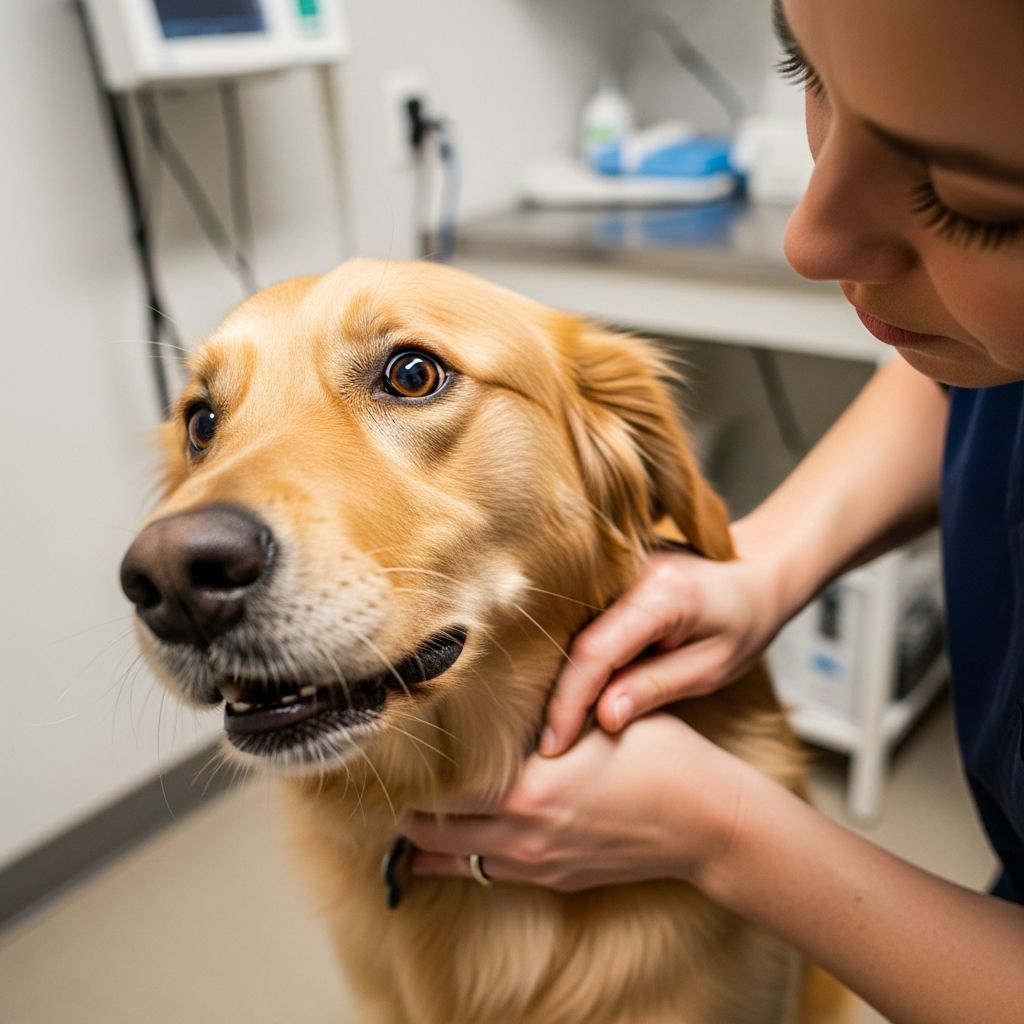
Choking represents one of the most urgent emergencies dog owners may face, where a foreign object blocks the airway, cutting off vital oxygen. Rapid recognition and intervention can mean the difference between life and death, as even brief obstructions cause severe damage. This comprehensive guide equips you with step-by-step protocols drawn from veterinary first aid standards, emphasizing safety for both pet and owner.
Recognizing the Alarming Signs of Choking
Dogs cannot verbally alert you to distress, so owners must watch for specific indicators of airway compromise. A choking dog typically exhibits extreme distress, including labored or absent breathing, repetitive gagging or retching sounds, frantic pawing at the mouth or throat, and visible excessive drooling or foamy saliva. Gums, tongue, and lips may rapidly turn blue or grayish due to oxygen deprivation—a critical sign known as cyanosis.
- Respiratory distress: Noisy, wheezing breaths or complete silence from failed air intake.
- Behavioral cues: Pacing, collapsing, or anxious attempts to cough up the blockage.
- Physical changes: Swollen neck, protruding eyes, or weak pulse from shock onset.
Partial blockages might allow some air passage, leading to persistent hacking coughs without immediate collapse, but full obstructions demand instant action. Common culprits include tennis balls, rawhide chews, bones, toys, or even large kibble pieces that swell in the throat. Puppies and brachycephalic breeds like Bulldogs face higher risks due to smaller airways or aggressive chewing habits.
Immediate Safety Measures Before Intervention
Before touching your dog, prioritize your safety—a panicked, oxygen-starved pet may bite instinctively. Approach calmly, speak soothingly, and if possible, enlist a second person for restraint. Muzzle the dog only if safe and necessary, but avoid if it hinders airway access. Assess the situation: confirm choking by observing symptoms rather than assuming from coughing alone, as other issues like kennel cough mimic early signs.
Position the dog on a stable surface, ideally on its side or standing, to minimize struggle. Have your phone ready to call emergency veterinary services simultaneously with first aid—do not delay professional help. In the U.S., contact the ASPCA Animal Poison Control Center or nearest 24/7 vet; in the UK, use PDSA or similar resources.
Step-by-Step: Safely Removing Visible Obstructions
If the object is visible in the mouth, act cautiously to avoid pushing it deeper. For conscious dogs:
- Gently open the jaws using the muzzle gap or by lifting the upper lip and lip commissure.
- Never insert fingers blindly—use fingers, pliers, or tweezers hooked in a sweeping “J” motion from the side of the mouth toward the canines to extract.
- Avoid small bones or fishhooks, which can snag tissues; transport to vet immediately.
For unconscious dogs, extend the head and neck straight, sweep the throat with curled fingers to dislodge loose items, then proceed to abdominal thrusts if needed. Always check for breathing and pulse post-removal.
Mastering the Heimlich Maneuver for Dogs by Size
The canine-adapted Heimlich maneuver uses abdominal thrusts to expel obstructions via air pressure. Tailor to dog size for effectiveness and safety. Perform 5 sharp thrusts, then check the airway; repeat up to 5 cycles or 1-2 minutes max before seeking vet care.
| Dog Size | Position | Technique | Key Tips |
|---|---|---|---|
| Small (<10 lbs) | On lap, back down | Palm under ribcage, thrust up/inward 5x | Support head; gentle swings if needed |
| Medium (10-50 lbs) | Standing or side | Arms around belly, fists at abdomen, up/forward 5x | Locate last rib; firm pressure |
| Large (>50 lbs) | Standing, behind dog | Wrap arms at hips, lift/thrust toward head 5x | Bend dog over if possible; strong force |
For all sizes, after thrusts: Lay on side, sweep mouth, and resume if unsuccessful. Evidence from veterinary protocols confirms these methods’ efficacy when executed promptly.
Advanced Response: Rescue Breathing and CPR Integration
If the object is cleared but breathing stops, initiate rescue breathing immediately. Close the mouth, extend the neck, seal over nostrils, and deliver 20 breaths/minute (1 every 3 seconds) until chest rises. Monitor for heartbeat at the groin or inner thigh.
No pulse? Start CPR: For large dogs, compress chest sides at elbow level 100-120x/minute; small dogs use thumb-finger pinch at similar rate. Ratio: 30 compressions to 2 breaths. Continue en route to vet, alternating roles if assisted.
Post-Emergency Care and Veterinary Follow-Up
Even if resolved, rush to a vet—hidden injuries like throat swelling, aspiration pneumonia, or rib fractures may lurk. Expect X-rays, endoscopy, or tracheotomy in severe cases. Keep the dog warm, quiet, and monitored; withhold food/water initially to avoid vomiting.
Proactive Prevention: Safeguarding Your Dog’s Airway
Prevention trumps reaction. Supervise play with toys, opting for size-appropriate, non-fragile items—no tennis balls for small mouths. Avoid cooked bones, rawhide, and large treats; break into tiny pieces. Train “leave it” and “drop it” commands. Regular vet checkups catch anatomical risks early.
- Toy selection: Larger than muzzle width, durable rubber over fabric.
- Chew rules: Edible chews only under watch; discard small remnants.
- Home hazards: Secure small objects like socks, plastic bits.
Breed-Specific Vulnerabilities and Risk Factors
Certain breeds like Pugs, French Bulldogs, and Boston Terriers suffer higher choking odds from short snouts and soft palates. Greedy eaters or those with dental issues gulp food hazardously. Age matters: Puppies explore orally; seniors have weaker throats. Awareness tailors prevention.
Common Myths Debunked in Canine Choking Aid
Myth 1: Blind finger sweeps always work—Reality: Risks lodging objects deeper.
Myth 2: Slapping the back helps—Reality: Ineffective; use thrusts.
Myth 3: Wait it out—Reality: Seconds count; cyanosis signals peril.
FAQs: Quick Answers for Dog Choking Emergencies
Q: Can all dogs perform Heimlich the same way?
A: No, scale by size as per table; improper force injures.
Q: What if my dog chokes at night?
A: Perform first aid while driving to 24/7 emergency vet.
Q: Is choking common in puppies?
A: Yes, due to exploratory chewing; extra vigilance needed.
Q: Post-choking cough—normal?
A: Temporary irritation possible, but vet check rules out complications.
Q: CPR success rate?
A: Improves with prompt action; vet intervention boosts odds.
Training Yourself: Practice Drills for Confidence
Simulate with stuffies on willing helpers or stuffed animals sized like your dog. Time responses under 1 minute. Enroll in pet first aid courses from Red Cross or vet clinics for hands-on mastery. Annual refreshers ensure muscle memory.
References
- First aid for choking – PDSA — PDSA. 2023. https://www.pdsa.org.uk/pet-help-and-advice/pet-health-hub/other-veterinary-advice/first-aid-for-choking
- First Aid for Dogs: Shock, Rescue Breathing, and CPR — VCA Animal Hospitals. 2024. https://vcahospitals.com/know-your-pet/first-aid-for-dogs
- Canine First Aid: Choking — Dogs NSW. 2021-01. https://www.dogsnsw.org.au/media/3594/canine-first-aid-choking-january-2021.pdf
- What To Do If Your Dog Is Choking | Mooresville Vet — Mooresville Animal Hospital. 2022-03-15. https://www.mooresvilleanimalhospital.com/site/blog/2022/03/15/choking-dog-heimlich-maneuver
- My Dog Keeps Trying to Cough Something Up? | Dog Choking — Vets Now. 2024. https://www.vets-now.com/pet-care-advice/choking-in-dogs/
- How to Help a Choking Pet — Tucson Veterinary Urgent Care. 2023. https://tucsonveterinaryurgentcare.com/help-pet-choking/
Similar Articles







Read full bio of medha deb