

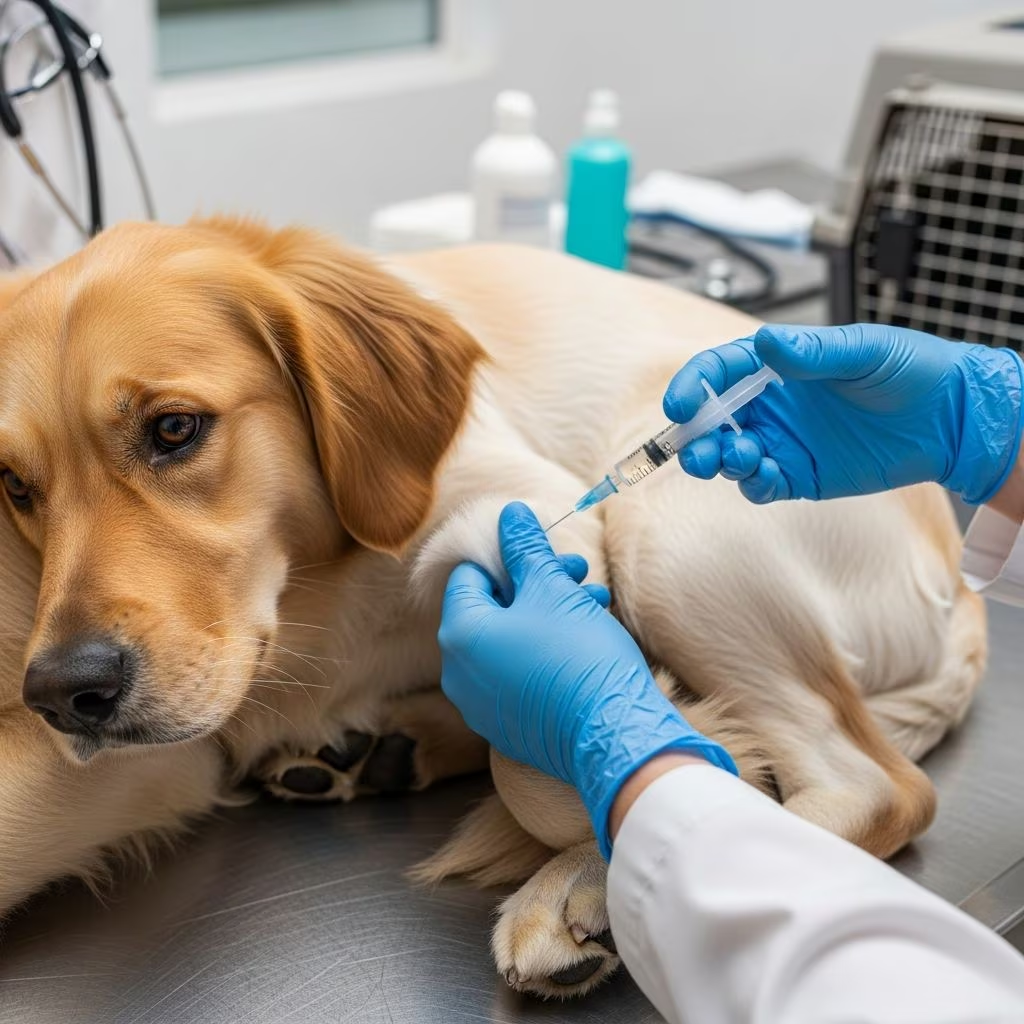
Epinephrine represents one of the most critical pharmaceutical interventions available in emergency veterinary medicine for canine patients. When properly administered during acute allergic crises, this medication can mean the difference between recovery and life-threatening complications. Understanding the mechanisms, appropriate dosing regimens, and clinical protocols surrounding epinephrine use is essential for pet owners and veterinary professionals alike.
The Pharmacological Basis of Epinephrine in Canine Medicine
Epinephrine, commonly known as adrenaline, functions as a potent sympathomimetic agent that stimulates both alpha and beta adrenergic receptors throughout the body. This dual receptor activation produces multiple physiological effects that make the medication particularly valuable during anaphylactic emergencies. The drug initiates immediate bronchodilation, which counteracts the airway constriction characteristic of severe allergic reactions. Simultaneously, epinephrine increases cardiac contractility and heart rate while causing peripheral vasoconstriction, actions that help maintain adequate blood pressure during anaphylactic shock.
The medication’s onset of action is remarkably rapid, typically producing observable therapeutic effects within minutes of administration. However, this speed of action comes with a trade-off: the duration of effect is relatively brief, lasting only one to three hours. This short window of efficacy necessitates careful monitoring and potentially repeated doses or continuous infusions in severe cases.
Appropriate Clinical Indications for Epinephrine Use
Epinephrine’s potency and side effect profile restrict its use to genuine emergency situations. The medication is specifically reserved for treating life-threatening bronchoconstriction and anaphylactoid shock. Veterinarians do not prescribe epinephrine for routine conditions or chronic management because its nonspecific receptor stimulation can produce unwanted effects beyond the intended therapeutic benefits.
Common triggers that warrant epinephrine administration in canine patients include:
- Severe allergic reactions to food components
- Insect sting or bite reactions progressing to anaphylaxis
- Medication allergies presenting with acute systemic symptoms
- Environmental allergen-induced anaphylaxis
- Vaccine reactions involving respiratory or cardiovascular compromise
- Transfusion reactions in transfused patients
Dosing Guidelines and Administration Routes
Precise dosing is fundamental to achieving therapeutic benefit while minimizing adverse effects. The standard dosing recommendation for dogs is 0.01 milligrams per kilogram administered intramuscularly or intravenously. When using pharmaceutical vials, dogs typically receive between 0.1 to 0.5 milliliters of the standard 1 mg/mL solution. Maximum dosing limits are established based on body weight: patients weighing less than 40 kilograms should not exceed 0.3 milligrams per dose, while larger dogs may receive up to 0.5 milligrams.
The intramuscular route represents the preferred initial approach for most emergency situations, as it provides reliable absorption and reduces certain complications associated with intravenous administration. Intravenous administration may be utilized in hospital settings where continuous monitoring is available, though some side effects prove more pronounced with this route.
| Administration Route | Dosage | Frequency | Clinical Context |
|---|---|---|---|
| Intramuscular (IM) | 0.01 mg/kg | Every 5-15 minutes as needed | Preferred initial emergency treatment |
| Intravenous (IV) | 0.01 mg/kg | Hospital-based continuous infusion | Severe anaphylaxis requiring sustained therapy |
| Subcutaneous (SC) | 0.1-0.5 mL per dog | Single dose only | Less preferred; slower absorption |
Repeated dosing may be necessary if the initial response proves inadequate. Current clinical protocols recommend reassessing the patient’s condition five to fifteen minutes after the first injection. If respiratory distress, hypotension, or other signs of anaphylaxis persist, a second dose may be administered. Multiple injections into the same tissue site should be avoided to prevent local tissue damage.
Commercial Epinephrine Auto-Injectors in Veterinary Practice
Epinephrine auto-injector devices, commonly known by brand names such as EpiPen, represent an accessible option for emergency administration outside veterinary hospital settings. These pre-filled devices deliver a measured epinephrine dose with a single activation, making them potentially suitable for owner use when professional help is unavailable.
However, several practical limitations reduce their utility in veterinary medicine. Commercial human epinephrine pens present several challenges when used in dogs:
- Needle length may be insufficient for adequate intramuscular delivery in obese or heavily muscled patients
- Accurate dosing becomes problematic for small dogs weighing less than fifteen kilograms
- The labeled shelf life of twelve to eighteen months requires regular replacement
- Commercial pens carry substantial expense relative to veterinary-prescribed vials and syringes
- Subcutaneous injection from auto-injectors is not recommended due to reduced reliability
As an alternative, some veterinarians provide pet owners with small refrigerated vials of epinephrine paired with pre-measured syringes for home use. This approach offers more flexibility in dosing while maintaining cost-effectiveness and longer shelf life stability.
Supporting Medications in Anaphylaxis Management
While epinephrine addresses the immediate physiological crisis, comprehensive anaphylaxis treatment requires additional pharmaceutical support. Antihistamines play a critical secondary role by blocking histamine receptors responsible for prolonged inflammatory responses.
Two-pronged antihistamine therapy proves more effective than single-agent treatment because different histamine receptor types mediate distinct symptoms. The most commonly recommended combination includes:
- Diphenhydramine (H1 blocker): 2.2 milligrams per kilogram intramuscularly, subcutaneously, or orally every eight hours
- Famotidine (H2 blocker): 0.5 to 1 milligram per kilogram intramuscularly, subcutaneously, or orally every twelve hours
It is crucial to understand that antihistamines should never delay epinephrine administration. These supporting agents function as adjunctive therapy but lack the life-saving properties of epinephrine. In emergency situations, epinephrine takes absolute priority, with antihistamines administered immediately afterward as secondary treatment.
Corticosteroids such as dexamethasone sodium phosphate at 0.1 milligrams per kilogram intravenously or intramuscularly may also be incorporated into the treatment protocol to reduce inflammation and prevent biphasic anaphylactic reactions.
Recognizing and Managing Adverse Effects
Despite its essential role in emergency care, epinephrine produces predictable side effects resulting from its sympathomimetic actions. Understanding these effects helps distinguish normal expected responses from concerning complications.
Common side effects include:
- Increased heart rate and cardiac work
- Nervousness, restlessness, or heightened anxiety
- Elevated blood pressure
- Tremors or muscle fasciculations
- Pale mucous membranes and skin pallor
- Nausea and vomiting
- Potential cardiac arrhythmias in susceptible individuals
The severity of these effects generally remains mild when epinephrine is administered intramuscularly or as a continuous infusion rather than rapid intravenous injection. Most side effects resolve spontaneously as the medication’s brief duration of action concludes. Pet owners should be reassured that these expected responses represent the medication working appropriately rather than indicating toxicity.
Patient Risk Factors and Precautions
While no absolute contraindications exist in life-threatening anaphylactic situations, epinephrine should be administered with careful consideration in certain patient populations. The medication’s cardiovascular and metabolic effects create potential complications in patients with:
- Diabetes mellitus or other metabolic disorders
- Pre-existing hypertension or cardiovascular disease
- Known cardiac arrhythmias or irregular heart rhythms
- Low blood volume states from hemorrhage or severe dehydration
- Pregnancy, nursing status, or active labor
In these situations, the life-threatening nature of anaphylaxis still necessitates epinephrine use, but additional monitoring and supportive care become especially important. Veterinarians may provide more aggressive concurrent fluid therapy or continuous cardiac monitoring in high-risk patients.
Supportive Care During Anaphylactic Episodes
Epinephrine alone rarely constitutes complete anaphylaxis management. Severe anaphylaxis often triggers hemodynamic instability requiring aggressive fluid resuscitation. Intravenous administration of isotonic crystalloid fluids such as 0.9% sodium chloride or lactated Ringer’s solution maintains adequate circulating volume. In particularly severe cases progressing to anaphylactic shock, blood product transfusion may become necessary to restore oxygen-carrying capacity and clotting factors.
Fresh frozen plasma administered at 20 milliliters per kilogram represents a recommended initial volume for anaphylactic shock management. Some patients require larger transfusion volumes or additional blood products including packed red blood cells, platelets, or fresh whole blood. These interventions, combined with continuous epinephrine infusions, provide the comprehensive resuscitation necessary to stabilize severely compromised patients.
Post-Emergency Follow-up and Monitoring
Administration of epinephrine during an emergency warrants immediate veterinary consultation even if the acute episode appears to resolve. Anaphylactic reactions can exhibit biphasic presentations, where symptoms recur after an apparent recovery period. Veterinary evaluation allows for extended monitoring, additional medication administration, and investigation into the triggering allergen.
Pet owners should contact their veterinarian or emergency animal services immediately if they observe anaphylactic symptoms and lack epinephrine availability. Delaying treatment while seeking epinephrine significantly increases mortality risk. When rapid professional help is unavailable, emergency epinephrine administration by owners becomes justified despite the medication’s prescription status.
Practical Considerations for Pet Owners
Dogs with documented anaphylaxis histories benefit from prescribed epinephrine kept readily accessible at home. Veterinarians can dispense pre-measured syringes or vials with clear written instructions for emergency use. Proper storage in refrigerated conditions maintains medication stability and effectiveness. Regular review of administration technique and storage location ensures preparedness when crisis strikes unexpectedly.
Frequently Asked Questions
How quickly does epinephrine work in dogs?
Epinephrine produces observable therapeutic effects within minutes of administration, making it ideal for emergency situations where time is critical. However, pet owners should not delay seeking professional veterinary care while waiting for effects to manifest.
Can epinephrine be administered at home?
Yes, veterinarians can prescribe epinephrine vials with pre-measured syringes for home administration in dogs with previous anaphylaxis episodes. This allows emergency treatment before reaching a veterinary facility.
What happens if I give too much epinephrine?
Exceeding recommended doses intensifies cardiovascular side effects including severe hypertension and arrhythmias. However, in true anaphylactic emergencies, the benefits of appropriate dosing far outweigh the risks of undertreatment.
Should I use human EpiPens on my dog?
While human epinephrine auto-injectors can provide emergency treatment if veterinary options are unavailable, they present significant limitations including imprecise dosing for small dogs and inadequate needle length for larger patients. Veterinarian-prescribed alternatives are preferred when available.
How often can epinephrine be repeated?
Epinephrine may be readministered every five to fifteen minutes if signs of anaphylaxis persist. However, continuous professional monitoring becomes essential with repeated dosing to prevent complications.
What should I do after giving epinephrine?
Immediately seek professional veterinary evaluation even if the acute reaction appears to resolve. Anaphylactic reactions can recur, and additional medications or monitoring may be necessary.
References
- Systemic Treatment of Inflammatory Airway Disease in Animals — Merck Veterinary Manual. 2024. https://www.merckvetmanual.com/pharmacology/systemic-pharmacotherapeutics-of-the-respiratory-system/systemic-treatment-of-inflammatory-airway-disease-in-animals
- Navigating Canine Anaphylaxis — DVM360. 2024. https://www.dvm360.com/view/navigating-canine-anaphylaxis
- Epinephrine Injection 1mg/mL — FDA DailyMed. 2024. https://dailymed.nlm.nih.gov/dailymed/fda/fdaDrugXsl.cfm?setid=cc1b01b8-2b37-4d08-9ce2-386258f54542
- Epinephrine Auto-Injectors — VCA Hospitals. 2024. https://vcahospitals.com/know-your-pet/epinephrine-auto-injectors
- How to Treat Anaphylaxis or Anaphylaxis Shock in Dogs and Cats — VETgirl Veterinary Continuing Education. 2024. https://vetgirlontherun.com/treat-anaphylaxis-anaphylaxis-shock-dog-cat-vetgirl-veterinary-continuing-education-blog/
- Anaphylactic Shock: How to Effectively Diagnose and Treat — Today’s Veterinary Practice. 2024. https://todaysveterinarypractice.com/emergency-medicine-critical-care/anaphylactic-shock-effectively-diagnose-treat/
- EpiPens and Pets — American College of Veterinary Pharmacists. 2017. https://vetmeds.org/wp-content/uploads/2017/06/ACVP-Vet-Talk-February-2017-EpiPens-and-Pets.pdf



