

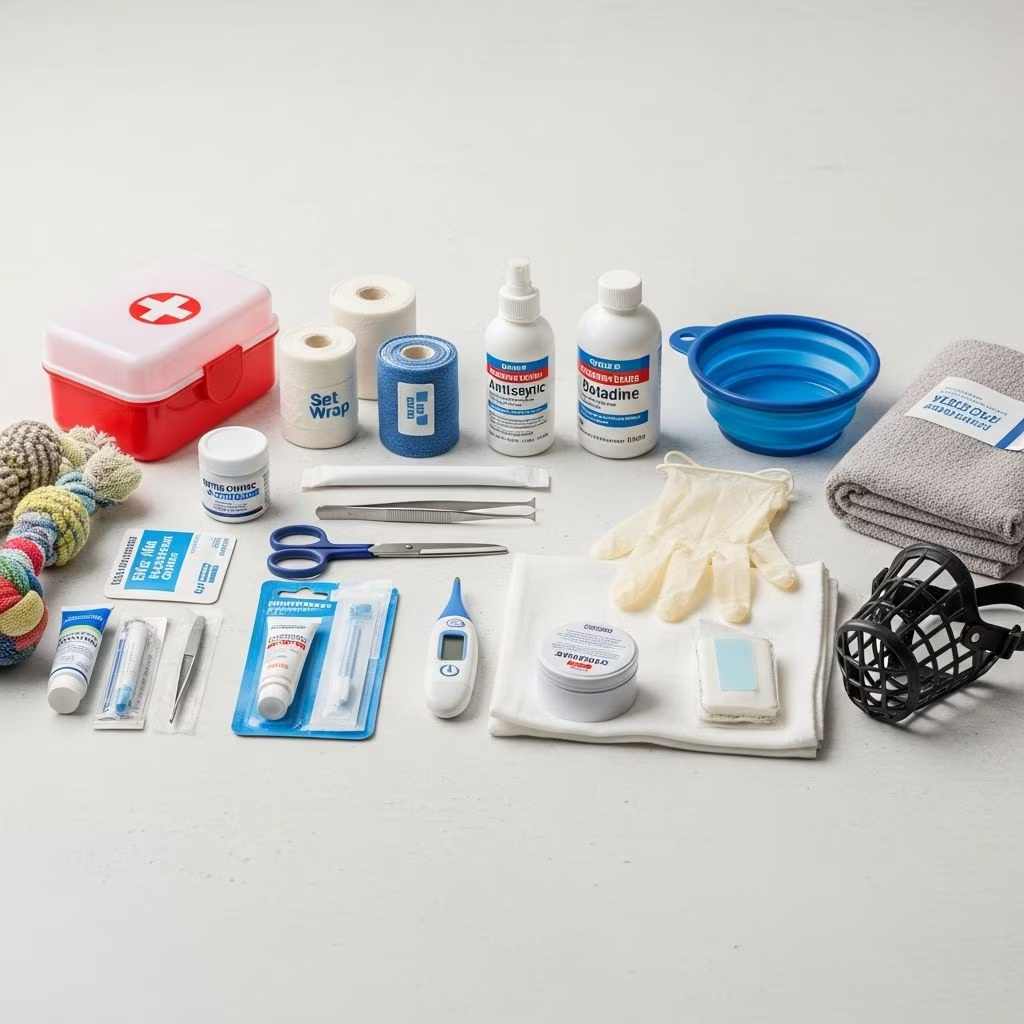
Pet emergencies can happen without warning, whether your dog sustains an injury during playtime, experiences an unexpected illness, or faces an environmental hazard. Having a well-stocked emergency care kit readily available at home, in your vehicle, and while traveling can make the difference between a minor incident and a serious health crisis. This comprehensive guide walks you through assembling a complete emergency care system for your canine companion, ensuring you’re prepared for whatever situation arises.
Why Every Dog Owner Needs an Emergency Care Kit
Dogs are naturally curious creatures who explore their environments with little regard for potential dangers. Minor cuts from sharp objects, torn nails, tick infestations, and allergic reactions are common occurrences that responsible pet owners should be equipped to handle immediately. Beyond these everyday injuries, natural disasters, travel complications, and unexpected medical events require quick access to supplies that stabilize your dog until professional veterinary care becomes available.
The advantages of maintaining a dedicated emergency care kit extend beyond immediate injury response. Having organized supplies reduces stress during high-pressure situations, enables faster treatment that prevents complications, and demonstrates to your veterinarian that you’re a proactive pet owner. Additionally, many minor issues that would otherwise require emergency clinic visits—which can cost hundreds of dollars—can be managed effectively with proper home care supplies.
Foundational Supplies for Wound Management
Wound care represents the most common use of emergency supplies for most dog owners. Whether your dog has scraped a paw, suffered a minor laceration, or experienced a more serious injury, having the right bandaging materials ensures you can provide immediate care while preventing infection.
Gauze and Padding Materials
Multiple types of gauze serve different purposes in wound management. Rolled gauze acts as the foundation layer for wound dressing, providing absorbent material that draws fluid away from injuries. Square gauze pads or specialized non-stick pads prevent bandaging material from adhering to open wounds, reducing pain and tissue damage during removal. The variety of padding options allows you to customize your approach based on the wound type and location.
Adhesive and Wrapping Options
Once gauze is positioned over a wound, securing it properly prevents contamination and maintains medication contact with the injury. Self-adhering elastic wraps stick to themselves rather than your dog’s fur, reducing discomfort during removal. Traditional adhesive tape serves as a secondary securing layer, while specialized veterinary wrap products like CoFlex or Coban provide durable, flexible support for joint and limb injuries.
Cutting and Preparation Tools
Blunt-tipped scissors are essential for safely trimming bandaging materials, removing soiled dressings, and carefully cutting away fur around wounds to improve visibility and prevent hair from entering the injury site. Standard sharp scissors pose risks of accidental cuts to your dog’s skin when working in confined areas or with an anxious pet.
Protective Equipment and Safety Items
Protecting yourself while administering care is equally important as protecting your dog. Disposable latex or nitrile gloves create a barrier between your hands and your dog’s wounds, preventing bacterial transfer that could complicate healing. These gloves also protect you from potential pathogens while maintaining the cleanliness necessary for proper wound care.
Beyond gloves, several other protective items enhance your ability to safely restrain and treat your dog. A slip leash provides control without requiring a collar, useful if your dog’s regular collar is lost or damaged during an emergency. A properly-fitted muzzle allows you to work on anxious or injured dogs without risk of bites, even in pets that normally never bite—pain and fear cause unpredictable behavior.
Temperature and Diagnostic Supplies
Understanding your dog’s physical condition during an emergency requires basic diagnostic tools. A digital thermometer designed for pets provides accurate temperature readings that help identify fever or hypothermia, both serious conditions requiring veterinary attention. Normal dog body temperature ranges from 101 to 102.5 degrees Fahrenheit, and any deviation from this range signals a potential problem.
A penlight or small flashlight enables thorough examination of injuries that might otherwise remain hidden. Checking eyes for foreign objects, inspecting the throat and mouth for obstructions, and examining ears for parasites or infection becomes safer and more effective with proper illumination. These simple diagnostic tools often reveal problems that might otherwise be missed.
Specialized Treatment Supplies
Bleeding Control and Nail Care
Styptic powder stops minor bleeding from small cuts or torn toenails in seconds, preventing unnecessary blood loss and reducing stress for both dog and owner. This single item prevents many unnecessary veterinary visits, as torn nails are extremely common, especially in active dogs. Dedicated dog nail clippers provide better control and safety than human nail clippers, reducing the risk of accidentally cutting into the sensitive quick.
Parasite and Foreign Object Removal
Tick remover tools or fine-tipped tweezers safely extract ticks, splinters, and other foreign objects from your dog’s skin. Proper technique prevents leaving tick heads embedded in skin, which can cause infection and prolonged irritation. Tweezers also serve multiple purposes for removing debris from wounds and paws.
Cleansing and Antiseptic Solutions
Sterile saline solution safely flushes dirt and debris from wounds, eyes, and other areas without damaging delicate tissue. Hydrogen peroxide can be used to clean wounds or, under veterinary guidance, to induce vomiting in poisoning cases. Mild soap or antiseptic wipes provide gentle cleaning for minor cuts and scrapes, while antibiotic ointments prevent infection in treated wounds. Always verify that any ointments are specifically formulated for dogs, as some human medications can be toxic to pets.
Comfort and Recovery Items
Emergency care extends beyond immediate injury treatment to include items that support recovery and comfort. An instant cold pack reduces swelling and soothes bruises or minor sprains when applied properly. A large towel serves multiple purposes: applying pressure to stop bleeding, transporting injured dogs, providing warmth to prevent shock, and protecting your furniture during treatment.
A soft, inflatable recovery collar prevents your dog from licking or chewing healing wounds, a surprisingly common problem that significantly delays recovery. Epsom salt soaks soothe certain injuries and can be prepared by dissolving the salt in warm water. Treats serve as positive reinforcement during treatment and help keep anxious dogs calm during the first aid process.
Evacuation and Extended Emergency Supplies
Beyond basic wound care, comprehensive emergency preparation includes supplies for evacuation scenarios and extended displacement. A collapsible water bowl prevents dehydration during emergencies when normal water access becomes unavailable. A 3 to 5-day supply of your dog’s regular food maintains digestive health during stressful situations—sudden diet changes can cause serious gastrointestinal problems.
Medications represent critical evacuation supplies. Maintain a 3 to 5-day supply of all prescription medications separate from your regular supply. For evacuation kits, include an emergency blanket for warmth if your dog experiences shock or hypothermia. A dog carrying sling allows you to transport injured dogs that cannot walk, while reflective gear increases visibility during nighttime rescues.
Documentation and Reference Materials
Paper supplies often prove as important as physical medical items during emergencies. A comprehensive list of emergency phone numbers should include your regular veterinarian, the nearest after-hours emergency clinic, and the ASPCA Poison Control hotline (888-426-4435). Complete medical records including vaccination history, current medications with dosages, and special health conditions enable emergency veterinarians to provide appropriate treatment immediately.
Your dog’s microchip number, detailed behavioral notes, and special dietary requirements should be included in documentation. Keep this information in a waterproof folder that multiple household members can access, since emergencies may occur when you’re unavailable. A printed first aid manual provides guidance when you’re stressed or uncertain about proper treatment techniques.
Storage and Organization Considerations
The best emergency supplies become useless if you can’t locate them when needed. A waterproof, colorful container makes your first aid kit easily recognizable and protects supplies from moisture damage. Label all items clearly and organize supplies by category—wound care items together, medications grouped, documentation in a separate section. Keep multiple kits in different locations: home, vehicle, and travel bag.
Review and refresh your emergency kit every six months to replace expired medications, check that creams and ointments haven’t dried out, and ensure battery-powered items like flashlights and thermometers remain functional. Rotating supplies prevents degradation while ensuring you always have working equipment available.
Building Your Emergency Supply Checklist
| Supply Category | Essential Items | Quantity/Notes |
|---|---|---|
| Bandaging Materials | Rolled gauze, square gauze pads, non-stick pads, elastic wrap, adhesive tape | Multiple sizes and quantities |
| Cleaning & Treatment | Saline solution, hydrogen peroxide, antibiotic ointment, antiseptic wipes | Various strengths and sizes |
| Cutting Tools | Blunt-tipped scissors, tweezers, nail clippers | Dedicated dog-specific tools |
| Diagnostic Equipment | Digital thermometer, penlight, styptic powder | Working batteries included |
| Protective Supplies | Non-latex gloves, muzzle, slip leash, collar, tags | Appropriate sizes for your dog |
| Comfort Items | Cold pack, towels, recovery collar, treats, blanket | Based on your climate and needs |
| Medications & Food | Prescription meds, regular food, probiotics, electrolyte powder | 3-5 day emergency supply |
| Documentation | Medical records, vet contacts, microchip info, medication list | Waterproof container, multiple copies |
Common Questions About Dog Emergency Supplies
How often should I replace items in my emergency kit?
Review your kit every six months and replace any items that have expired, dried out, or become damaged. Medications should never be used beyond their expiration dates, and gauze or bandaging materials can degrade over time, especially if exposed to moisture or extreme temperatures.
Can I use human first aid supplies for my dog?
Many supplies overlap between human and canine first aid kits, but some human products can be dangerous for dogs. Always verify that any medications or ointments are specifically formulated for veterinary use before applying them to your dog. When in doubt, consult your veterinarian before using unfamiliar products.
What’s the most critical item to prioritize if my budget is limited?
Start with a storage container, gauze and bandaging materials, gloves, saline solution, and documentation including emergency contact numbers. These items address the most common emergencies and can be supplemented over time as your budget allows.
Should I keep the same kit at home and in my car?
Maintain separate kits customized for their locations. Your home kit can be more comprehensive, while your vehicle kit should focus on portable essentials needed for immediate stabilization. A travel kit for vacations or long trips should match your anticipated activities and destinations.
References
- Dog First Aid Kit: 21 Must-Have Items for the Best Kit — Dr. Buzby. https://toegrips.com/dog-first-aid-kit/
- Pet First Aid Kit – A Checklist Of What To Include — Animal Emergency Service Australia. https://animalemergencyservice.com.au/blog/pet-first-aid-kit/
- 34 Items for Your Dog’s Emergency and Evacuation Kit – Rover.com — Rover. https://www.rover.com/blog/dog-first-aid-kit-checklist/
- 10 Must-Have Items for Your Pet First-Aid Kit — PetMD. https://www.petmd.com/general-health/must-have-items-for-pet-first-aid-kit
- Dog First-Aid Kit Essentials — American Kennel Club. https://www.akc.org/expert-advice/lifestyle/dog-first-aid-kit-essentials/
- Build a Pet Disaster Preparedness Kit — Centers for Disease Control and Prevention. https://www.cdc.gov/healthy-pets/emergency-preparedness/preparedness-kit.html
- How to Make a Pet First Aid Kit — ASPCApro. https://www.aspcapro.org/resource/how-make-pet-first-aid-kit



