

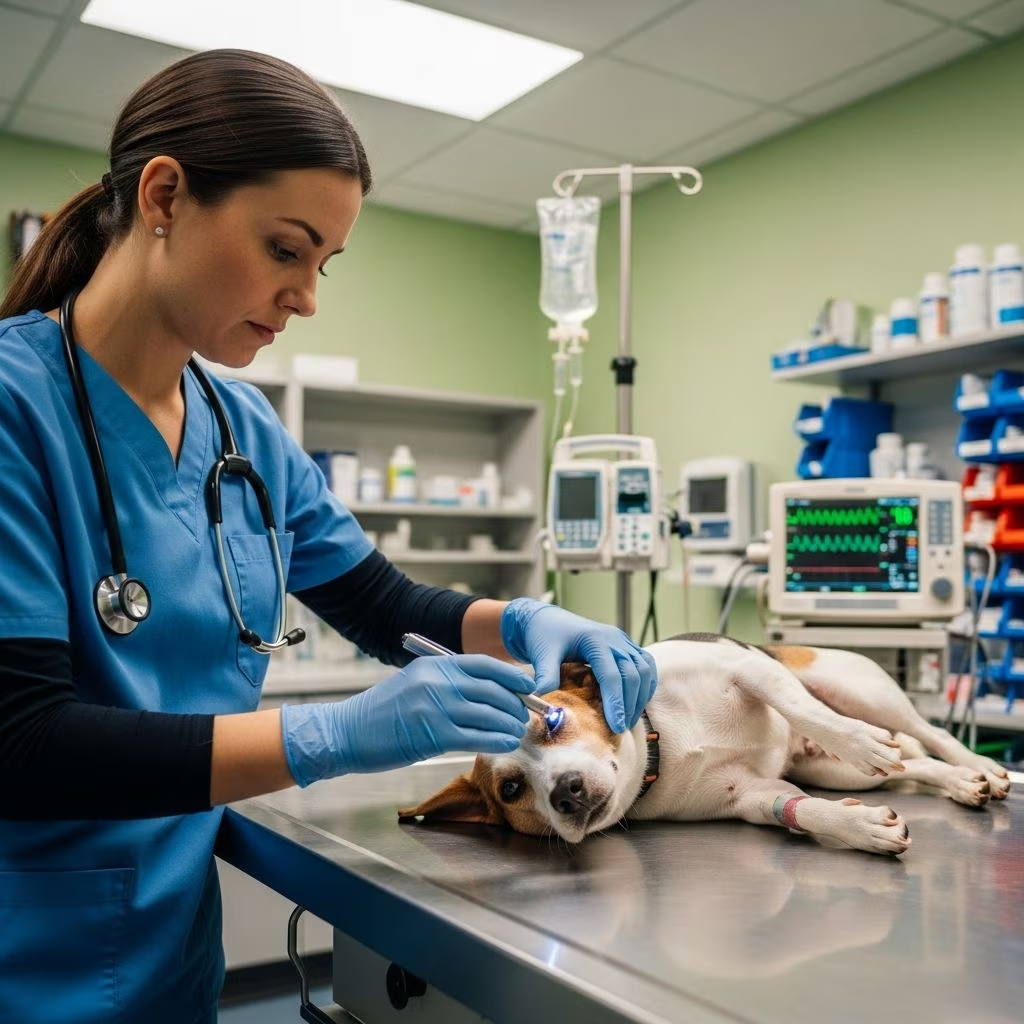
Pet emergencies can arise unexpectedly from trauma, poisoning, choking, heatstroke, or insect stings, demanding swift action to protect your dog’s or cat’s life. This guide equips pet owners with critical knowledge on recognizing danger signs, safely transporting injured pets, administering basic first aid, performing CPR, and responding to poisoning incidents, bridging the gap until professional veterinary care is accessible.
Finding 24-Hour Emergency Care for Your Pet
Preparation is the cornerstone of effective emergency response. Begin by consulting your primary veterinarian to establish a clear emergency protocol. Inquire whether their clinic offers 24-hour services or collaborates with local emergency facilities. Many practices employ rotating on-call veterinarians, ensuring after-hours coverage. Additionally, secure the contact details—name, phone number, and address—of the nearest 24-hour emergency clinic. Store this information prominently on your refrigerator door or in your smartphone’s emergency contacts for rapid access during crises.
Proactive planning extends beyond contacts. Familiarize yourself with your area’s veterinary landscape, including multiple options for redundancy. Some regions feature animal emergency hospitals equipped for overnight care, trauma stabilization, and intensive monitoring. Regularly update your pet’s medical records in a portable format, such as a digital app or waterproof folder, to share vital health history with emergency staff upon arrival. This preparation minimizes delays and enhances treatment efficacy.
Consider enrolling in pet first aid certification courses offered by organizations like the American Red Cross or RedRover, which provide hands-on training in emergency response. These programs teach not only procedural skills but also stress management for pet parents facing high-stakes situations. Digital tools, such as pet health apps with geolocation for nearby clinics, further streamline the process.
Signs Your Pet May Need Emergency Care
Timely recognition of life-threatening symptoms can mean the difference between recovery and tragedy. Monitor for these hallmark indicators of severe distress in dogs and cats:
- Pale gums: Indicates shock, blood loss, or anemia; normal gums are pink and moist.
- Rapid breathing: Excessive panting or labored respiration signals pain, heatstroke, or respiratory distress.
- Weak or rapid pulse: Check inner thigh or gum arteries; irregularities suggest cardiac issues.
- Change in body temperature: Hypothermia (below 99°F) or hyperthermia (above 103°F) requires urgent intervention.
- Difficulty standing: Weakness or collapse points to neurological or musculoskeletal injury.
- Apparent paralysis: Limb immobility may stem from spinal trauma or stroke.
- Loss of consciousness: Unresponsiveness demands immediate action.
- Seizures: Convulsions lasting over one minute necessitate anti-convulsant therapy.
- Excessive bleeding: Uncontrolled hemorrhage from wounds or orifices.
These symptoms often overlap in scenarios like vehicular accidents, falls, or toxic exposures. Conduct a rapid ABC assessment—Airway, Breathing, Circulation—to prioritize interventions. For instance, trauma victims frequently exhibit multiple signs concurrently, amplifying urgency.
Beyond physical cues, behavioral changes such as extreme lethargy, disorientation, or vocalization of distress warrant attention. Puppies, kittens, and senior pets may display subtler signs, requiring vigilant observation. Baseline knowledge of your pet’s normal vital signs—heart rate (60-140 bpm for dogs, 140-220 bpm for cats), respiration (10-30 per minute), and temperature—enables accurate detection of abnormalities.
Next Steps
Injured pets may exhibit defensive aggression due to pain or fear, prioritizing your safety before aiding them. Approach calmly to avoid escalating stress.
For dogs: Advance slowly, kneel to appear non-threatening, and speak reassuringly using their name. If aggression manifests—growling, bared teeth, or lunging—summon assistance without forcing interaction. For cooperative dogs, improvise a stretcher from rigid materials like plywood or a firm blanket. Gently slide under the body, supporting the neck and spine meticulously to prevent exacerbating potential vertebral damage. Multiple handlers facilitate safer lifting.
For cats: Drape a thick towel or blanket over the head to obscure vision and mitigate biting risks. Support the body fully while avoiding neck torsion, suspecting spinal compromise. Transfer into an open-top carrier or sturdy box lined with padding for secure containment during transit.
Once secured, expedite transport to the emergency facility. Delegate a companion to notify the clinic en route, providing pet details, symptoms, and estimated arrival for preparatory triage. Drive cautiously, minimizing vehicle jolts, and use blankets to maintain body warmth. Avoid offering food or water en route to prevent aspiration.
First Aid Treatments to Perform At Home
While no substitute for veterinary expertise, targeted first aid stabilizes pets for safe transport. Always prioritize professional care post-intervention.
External bleeding from trauma: Elevate the limb if feasible, applying firm, direct pressure via clean gauze or cloth for 10-15 minutes. Avoid tourniquets unless trained, as they risk tissue necrosis. For arterial spurts, pack wounds with hemostatic agents if available.
Choking hazards: Inspect the oral cavity with gloved fingers to dislodge visible obstructions, sweeping cautiously from jaw hinge to teeth. If unsuccessful, execute a pet-adapted Heimlich: For standing pets, deliver sharp chest thrusts backward; for supine, compress the abdomen rhythmically. Follow with airway checks.
Heatstroke management: Though not detailed in primary sources, relocate to shade, apply cool (not ice-cold) water to paws, groin, and ears while fanning vigorously. Monitor core temperature rectally, targeting below 103°F before transport.
Burns or stings: Flush with tepid water; apply baking soda paste for alkaline stings. Never use human medications without guidance.
Stock a pet first aid kit with bandages, tweezers, hydrogen peroxide (for wound cleaning only), thermometer, and styptic powder for nail trims gone awry. Regular refresh ensures usability.
Performing CPR on Your Pet
Cardiopulmonary resuscitation (CPR) revives pets in cardiopulmonary arrest post-choking or trauma. Confirm arrest: no breathing, absent pulse, dilated pupils.
- Lay pet on right side on firm surface.
- Artificial respiration: Extend head/neck into straight airway, seal jaws, blow into nostrils every 3 seconds (small puffs for cats/toy breeds; deeper for large dogs). Chest should rise visibly; prevent air leakage.
- Cardiac massage: Locate heart (left chest behind elbow). Deliver 3-5 firm compressions (1-2 inches depth for small pets; 3-4 for large) per breath cycle, aiming 100-120 compressions/minute.
- Alternate 30 compressions:2 breaths until spontaneous recovery or vet arrival.
Tailor ratios by size: Dogs under 30lbs mimic infant human CPR. Cease if rib fractures occur or recovery evident. Post-CPR, oxygen support and monitoring are crucial.
What To Do If Your Pet Eats Something Poisonous
Toxicity affects over 200,000 pets annually; symptoms vary by agent—vomiting, ataxia, seizures. Immediate consultation is paramount.
Contact your veterinarian or ASPCA Animal Poison Control Center hotline at (888) 426-4435 (fee applies). Experts evaluate species, size, ingested substance/quantity, timing, and symptoms to advise—potentially inducing vomiting with 3% hydrogen peroxide (1 tsp/10lbs, max 3 tbsp), activated charcoal, or transport without intervention.
Do not induce vomiting if: Hydrocarbons, corrosives, or unconsciousness. Collect samples (vomit, packaging) for analysis. Common culprits: chocolate (theobromine), xylitol, rodenticides, lilies (cats). Prevention via secured storage is ideal.
Frequently Asked Questions (FAQs)
Can I use human bandages on my pet?
Human bandages are unsuitable due to adhesive toxicity and improper fit; opt for vet-specific self-adherent wraps.
How do I check my pet’s pulse?
Femoral artery (inner thigh) for dogs/cats; count beats for 15 seconds, multiply by 4.
Is pet insurance helpful for emergencies?
Yes, it covers eligible treatments, reducing financial barriers to care.
What if my pet won’t let me help during an emergency?
Muzzle if safe, or seek professional capture; prioritize mutual safety.
How often should I review my emergency plan?
Quarterly, plus post-relocation or clinic changes.
References
- Emergency Care for Your Pet — ASPCA. 2023. https://www.aspca.org/pet-care/general-pet-care/emergency-care-your-pet
- Pet First-Aid Basics — ASPCA Pet Health Insurance. 2024. https://www.aspcapetinsurance.com/resources/pet-first-aid-basics/
- Pet Disaster Preparedness & Recovery — American Red Cross. 2025. https://www.redcross.org/get-help/how-to-prepare-for-emergencies/pet-disaster-preparedness.html



