

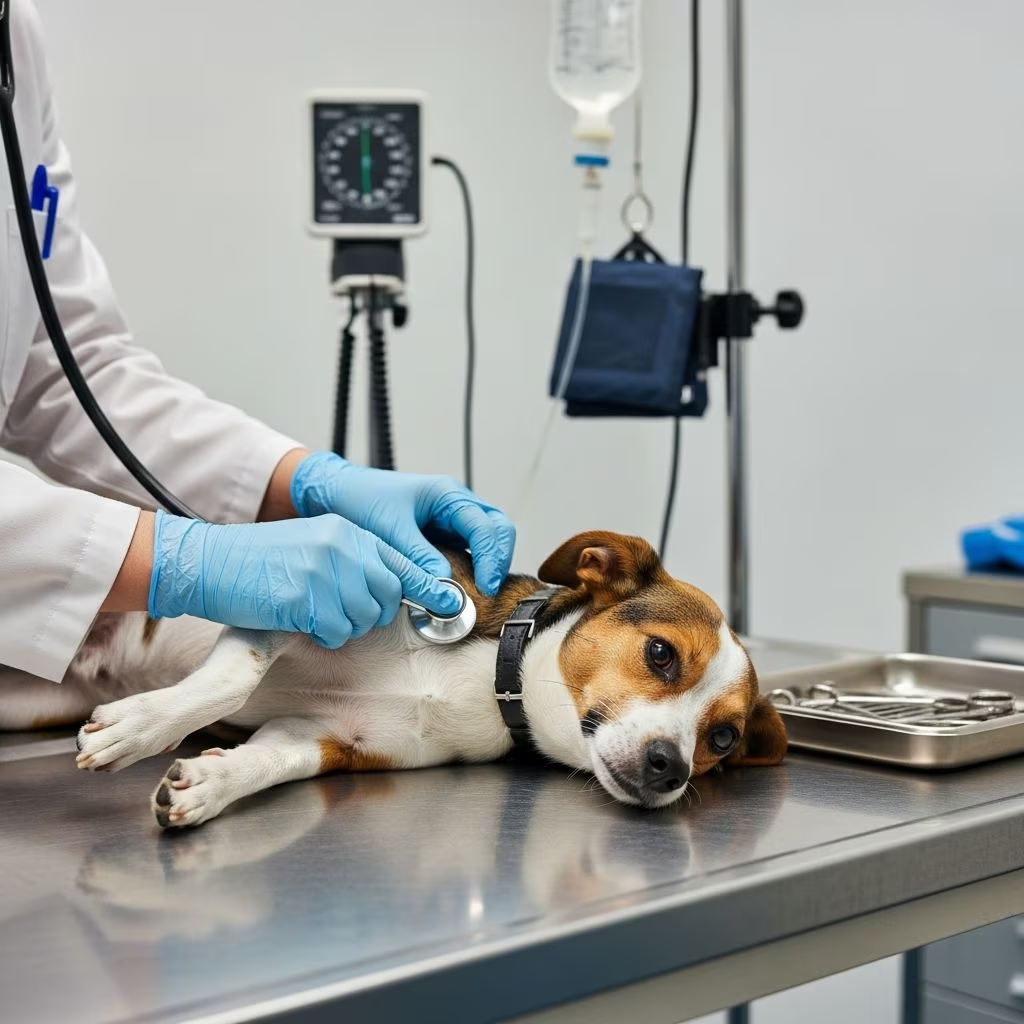
Pet emergencies can arise unexpectedly from trauma, poisoning, choking, or heatstroke, requiring swift action to protect your dog’s or cat’s life. Knowing how to identify critical signs, provide basic first aid, and reach 24-hour veterinary care is essential for every pet owner.
Finding 24-Hour Emergency Care for Your Pet
Preparation is key to handling pet emergencies effectively. Start by discussing an emergency protocol with your primary veterinarian. Many clinics offer 24-hour services or partner with local emergency facilities where multiple veterinarians rotate on-call duties after hours. Store the name, phone number, and address of your nearest emergency clinic on your refrigerator, in your phone contacts, or as a pinned note for immediate access. This simple step can shave precious minutes off response time during a crisis.
In addition to veterinary contacts, consider pet insurance to help cover unexpected emergency expenses, ensuring financial barriers don’t delay care. Regularly update your pet’s medical records and keep digital or physical copies handy, including vaccination history and any ongoing medications. For disasters or evacuations, identify pet-friendly shelters in advance, as not all accept animals—plan a safe haven like a friend’s home or boarding facility.
Signs Your Pet May Need Emergency Care
Recognizing the warning signs of a life-threatening situation allows you to act before it’s too late. Pets cannot verbally communicate distress, so observe physical changes closely. Common emergencies include severe trauma from accidents or falls, choking on foreign objects, heatstroke, insect stings, and household poisoning.
Key indicators that demand immediate veterinary attention include:
- Pale gums: Check by lifting the lip; normal gums are pink, pale or white suggests shock or blood loss.
- Rapid breathing: Excessive panting or labored breaths indicate pain, heatstroke, or respiratory distress.
- Weak or rapid pulse: Feel at the inner thigh; a faint, fast pulse signals circulatory issues.
- Change in body temperature: Too hot (over 103°F) or too cold (under 99°F) requires urgent care.
- Difficulty standing or apparent paralysis: Could stem from spinal injury or neurological problems.
- Loss of consciousness: Unresponsiveness is a critical red flag.
- Seizures: Convulsions, drooling, or paddling limbs need emergency intervention.
- Excessive bleeding: Arterial spurts or steady oozing from wounds.
Other urgent symptoms include persistent vomiting, diarrhea with blood, swollen abdomen, eye injuries, or fractures evidenced by limping or unnatural limb angles[10]. If in doubt, err on the side of caution—contact your vet or an emergency clinic immediately.
Next Steps: Safely Transporting Your Injured Pet
Injured pets may become aggressive due to pain or fear, prioritizing your safety first is crucial. Never rush in recklessly; assess the situation calmly.
For dogs: Approach slowly, kneel, and speak reassuringly using their name. If aggression appears (growling, bared teeth), back away and call for professional help like animal control or a vet team. For calm dogs, create a makeshift stretcher from a board, blanket, or door. Gently lift while supporting the neck and back to prevent spinal injury aggravation. Secure with towels or belts without constricting breathing.
For cats: Cats often react with scratches or bites. Drape a thick blanket or towel over the head to calm and prevent biting. Support the body fully, avoiding neck twists, and place into an open-top carrier, sturdy box, or pillowcase for secure transport. Keep the head stable.
Enlist a friend to drive while you monitor the pet, or have them call ahead to the clinic so staff prepares. Drive directly to the nearest 24-hour emergency facility, avoiding routine vets if closed. Time is critical—delays can worsen outcomes.
First Aid Treatments to Perform at Home
While no substitute for professional care, basic first aid can stabilize your pet for transport. Always prioritize safety and seek vet care immediately after.
Controlling External Bleeding
For trauma-induced bleeding, elevate the limb if possible (above heart level) and apply firm, direct pressure with a clean gauze pad, towel, or cloth for 10-15 minutes. Do not peek or remove the pad if it soaks through; add more layers. For arterial bleeding (bright red, spurting), use a tourniquet only as a last resort above the wound, noting the time applied, and loosen every 20 minutes. Avoid human bandages with adhesive directly on fur; use non-stick pads instead.
Handling Choking
If your pet is choking on a foreign object like a toy or bone, open the mouth carefully and sweep fingers to dislodge if visible. For dogs, perform a modified Heimlich: Stand behind, place fists on abdomen just behind ribs, and thrust inward/upward sharply. For smaller pets, deliver a sharp chest rap. Never use human techniques blindly—sizes differ.
Heatstroke Management
Move to a cool area, wet with cool (not ice-cold) water, especially groin and paws, and fan vigorously. Offer small sips of water if conscious. Monitor temperature rectally if possible; aim below 103°F.
Burns, Insect Stings, and Fractures
For burns, flush with cool water 20 minutes; cover loosely. Remove stingers by scraping, apply cold pack. Splint suspected fractures with rigid material like rolled magazines, padding well.
Stock a pet first-aid kit: bandages, hydrogen peroxide, thermometer, tweezers, muzzle, and vet-recommended meds. Consult your vet for a customized list.
Performing CPR on Your Pet
Cardiopulmonary resuscitation (CPR) revives pets unresponsive after choking or trauma if no breathing or heartbeat. Act only if trained; improper CPR can harm.
Steps for Dogs and Cats:
- Check responsiveness: Tap, call name. No response? Check airway, breathing, pulse (femoral artery).
- Artificial Respiration: Lay on side, extend head/neck straight, close jaws, blow into nostrils every 3 seconds (small puffs for cats, larger for dogs). Chest should rise; seal mouth-nose tightly.
- Cardiac Massage: With heartbeat absent, compress chest firmly: Dogs—over heart (left side, 4th intercostal); Cats—right side behind elbow. Ratio: 3 compressions per breath (30:2 for single rescuer). Depth: 1/3-1/2 chest width, rate 100-120/min.
- Alternate 2 minutes, then check vitals. Continue until breathing resumes or vet arrives.
Practice via pet CPR classes from Red Cross or vet schools. Success rates improve with training.
What to Do If Your Pet Eats Something Poisonous
Household toxins like chocolate, xylitol, grapes, lilies, antifreeze, or rodenticides pose grave risks. Symptoms: vomiting, tremors, lethargy.
Immediately call the ASPCA Animal Poison Control Center at (888) 426-4435 (24/7 hotline; fee may apply) or Pet Poison Helpline (855-764-7661). Provide: pet’s species/breed/weight/age, substance ingested (amount/time), symptoms. Experts advise on inducing vomiting (only if instructed, using 3% hydrogen peroxide: 1 tsp/10 lbs for dogs), activated charcoal, or transport.
Do NOT induce vomiting blindly—risks aspiration. Secure toxins out of reach; know common pet poisons via ASPCA lists.
Preventing Emergencies and Building a Pet Emergency Kit
Proactive steps reduce risks: Supervise play, secure hazards, microchip pets, maintain vaccines. For disasters, assemble kits.
| Item | Dogs | Cats |
|---|---|---|
| Food/Water | 7-10 days dry/canned | Pop-top canned, litter |
| Supplies | Leash, toys, meds | Pillowcase, scoopable litter |
| First Aid | Bandages, scissors | Same + styptic powder |
| Records | USB medical copies | Same |
Include human kit items: batteries, radio, cash. Get rescue alert stickers noting pet count/vet info.
Frequently Asked Questions (FAQs)
Q: How do I check my pet’s gum color?
A: Gently lift the upper lip; healthy gums are moist, pink like human lips. Pale, blue, or tacky means emergency.
Q: Can I use human CPR on pets?
A: No—adapt for size: side-lying, nostril breaths, chest compressions. Training recommended.
Q: When to call poison control?
A: Anytime ingestion suspected; provide details for expert guidance. Hotline: (888) 426-4435.
Q: How to make a pet stretcher?
A: Use blanket on rigid surface (door, board); roll pet onto it gently from behind.
Q: What’s in a basic pet first-aid kit?
A: Gauze, tape, scissors, thermometer, peroxide, muzzle, saline—vet-approved.
References
- Emergency Care for Your Pet — ASPCA. 2023. https://www.aspca.org/pet-care/general-pet-care/emergency-care-your-pet
- Pet First-Aid Basics — ASPCA Pet Health Insurance. 2024. https://www.aspcapetinsurance.com/resources/pet-first-aid-basics/
- Disaster Preparedness — ASPCA. 2023. https://www.aspca.org/pet-care/general-pet-care/disaster-preparedness
- Preparing Your Pets for Emergencies — ASPCA. 2015-09. https://www.aspca.org/sites/default/files/preparedness_for_pets_sep_2015.pdf
- Pet Disaster Preparedness Guide — ASPCApro. 2024. https://www.aspcapro.org/resource/pet-disaster-preparedness-guide-be-ready-stay-safe



