
EmerAid Critical Care: 3 Formulas For Exotic Animals
Species-specific critical care nutrition designed to save the lives of debilitated exotic animals.
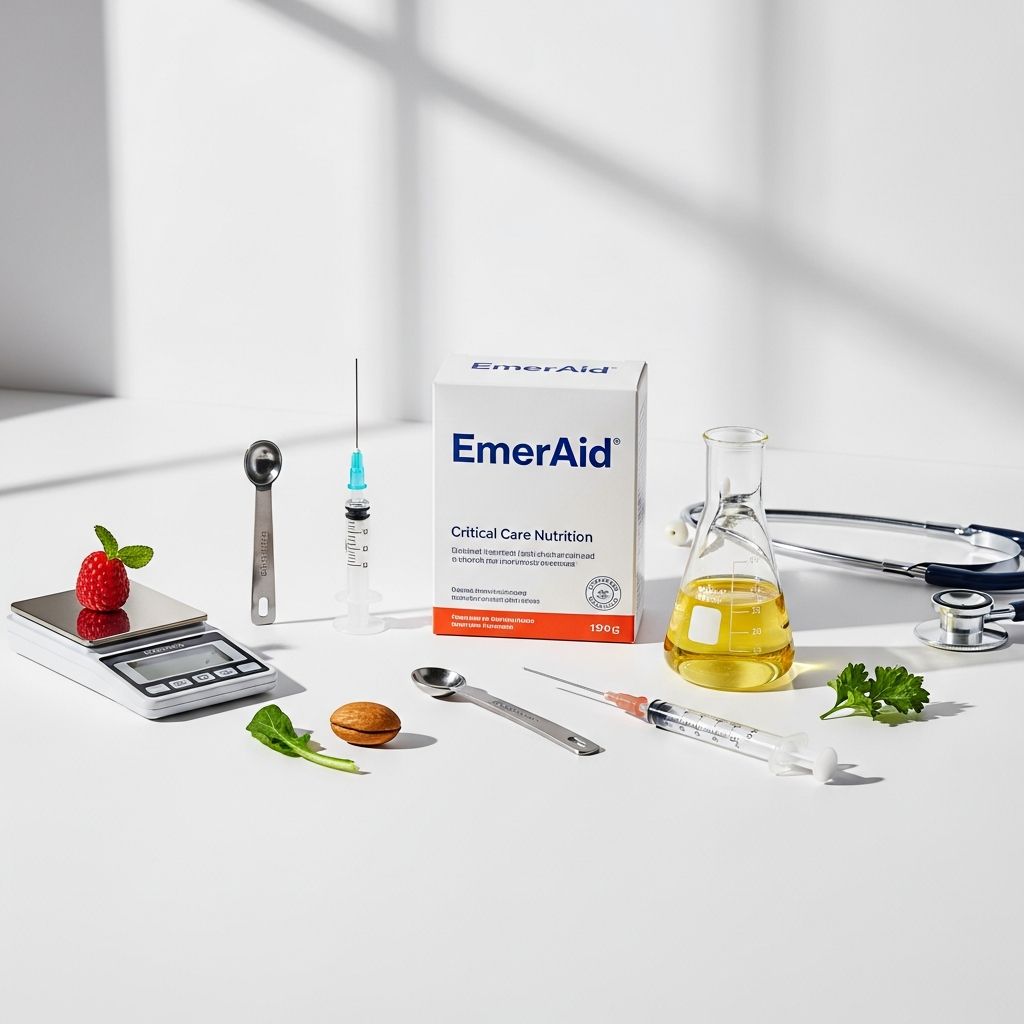
EmerAid Nutrition for Critical Care: Species-Specific Solutions for Exotic Animals
Veterinary healthcare professionals face complex challenges when treating critically ill exotic animals, particularly when it comes to providing adequate nutritional support during the recovery process. EmerAid Critical Care System represents a comprehensive nutritional solution specifically designed to address the unique metabolic demands of debilitated exotic animal patients. This innovative system provides life-saving semi-elemental nutrition tailored to meet the specific physiological requirements of different animal species, including carnivores, herbivores, and omnivores.
Understanding the EmerAid Critical Care System
The EmerAid Critical Care System is the first complete elemental diet series specifically formulated for critically ill exotic animal species. Unlike standard recovery diets, EmerAid Intensive Care formulations actively work to replenish depleted energy, fat, and protein stores in severely compromised patients. This advanced nutritional system acknowledges the reality that critically ill animals require different nutritional support than healthy animals, with formulations designed to provide true intensive care nutrition rather than basic maintenance feeding.
The system addresses three main nutritional strategies through its specialized product line:
– EmerAid Intensive Care Carnivore- EmerAid Intensive Care Omnivore- EmerAid Intensive Care Herbivore and EmerAid Sustain Herbivore
These products can be fed alone or in combination with one another, allowing veterinarians the flexibility to customize nutritional protocols based on individual patient needs and species-specific requirements.
Key Nutritional Components and Benefits
The EmerAid Intensive Care line contains several critical nutritional components specifically selected to support recovery in debilitated patients:
High Levels of Glutamine and Arginine
Glutamine and arginine are essential amino acids that become depleted during periods of starvation and catabolic stress. Research has demonstrated that glutamine deficiency in critically ill patients is correlated with increased mortality rates in intensive care settings. EmerAid formulations include supplemented levels of these critical amino acids to help reverse deficiency states and improve patient outcomes.
Purified Essential Amino Acids and Hydrolyzed Proteins
The highly digestible proteins in EmerAid formulations ensure maximum nutrient absorption for animals with reduced digestive capacity. This semi-elemental approach reduces the digestive burden on compromised gastrointestinal systems while ensuring adequate protein delivery for tissue repair and recovery.
Dietary Nucleotides
These compounds serve as DNA and RNA precursors, supporting cellular regeneration and immune function during critical illness. This component distinguishes EmerAid from standard enteral feeding products.
Highly Digestible Energy Sources
EmerAid products contain a carefully balanced blend of fats and simple carbohydrates designed for maximum energy delivery. This combination provides the fuel needed for recovery while minimizing digestive stress in debilitated patients. Additionally, each formulation includes balanced omega-3 and omega-6 polyunsaturated fatty acids to support overall health and recovery.
Clinical Indications for EmerAid Use
Veterinarians prescribe EmerAid Intensive Care formulations for a variety of critical situations. The appropriate use of these products can significantly impact patient outcomes and recovery rates.
EmerAid is indicated for:
– Debilitated and cachectic patients suffering from severe weight loss and muscle wasting- Individuals with reduced digestive capacity due to gastrointestinal disease or dysfunction- Highly stressed patients requiring minimal numbers of feedings to maintain energy levels- Patients that require additional calories to maintain or gain weight during recovery- Animals recovering from surgery or severe illness- Exotic pets experiencing critical health conditions including infections, nutritional deficiencies, or malabsorption issues- Animals with dental disease preventing normal food intake- Patients experiencing anorexia or loss of appetite
Species-Specific Formulations
EmerAid Intensive Care Carnivore
Designed for carnivorous exotic species, this formulation addresses the unique metabolic requirements of meat-eating animals. Carnivores have specific nutritional demands that differ significantly from herbivorous and omnivorous species, particularly regarding protein and fat ratios.
EmerAid Intensive Care Omnivore
This formulation serves companion birds such as parrots and songbirds, as well as omnivorous rodents like rats and mice. The balanced nutrition in this product accommodates species that consume both plant and animal matter, providing appropriate ratios of nutrients for successful recovery.
EmerAid Intensive Care Herbivore and Sustain Herbivore
EmerAid Intensive Care Herbivore is a high-fiber, semi-elemental diet specifically formulated to meet the needs of critically ill plant-eating animals. This formulation is designed for herbivorous mammals including rabbits, guinea pigs, and chinchillas, as well as herbivorous reptiles such as iguanas, tortoises, and some turtle species.
The herbivore formulation contains:
– High fiber content to encourage normal gastrointestinal motility- High levels of arginine and glutamine- Complete and balanced essential amino acids- Vitamins and minerals- Omega-3 and omega-6 fatty acids- Dietary nucleotides
EmerAid Sustain Herbivore serves as a transition or maintenance formula for herbivorous patients, allowing for gradual progression toward normal feeding as the animal recovers.
The Science Behind Critical Care Nutrition
Why Nutritional Support Matters
Recent advances in both human and veterinary medicine have confirmed what zoological medicine professionals have long understood: nutritional support is a critical component of successful supportive care and disease management. Research demonstrates that critically ill patients suffering from under-nutrition experience inferior clinical outcomes. Conversely, enhanced delivery of appropriate nutritional support translates directly into improved patient outcomes and faster recovery rates.
Metabolic Changes in Critical Illness
Critical illness triggers significant metabolic alterations that affect how an animal processes nutrients. Glucose initially serves as the primary fuel source for the central nervous system, bone marrow, and injured tissues. However, glycogen stores are rapidly exhausted, particularly in strict carnivores.
If patients do not receive dietary carbohydrates during critical illness, new glucose is derived through gluconeogenesis—essentially the breakdown of muscle protein. This catabolic process causes severe muscle wasting and prolonged recovery. Critical illness also triggers proteolysis, a major metabolic alteration involving the breakdown of protein reserves to maintain essential functions.
Enteral Versus Parenteral Nutrition
The use of enteral nutrition—feeding through the gastrointestinal tract—as opposed to parenteral nutrition results in a significant decrease in the incidence of complications and is also substantially less costly. Enteral nutrition should be the first choice for nutritional support in critically ill patients when the gastrointestinal system can tolerate feeding. Providing adequate nutrition, especially when administered enterally, serves as a powerful tool in managing critically ill patients.
Administration and Feeding Protocols
Preparation Methods
All EmerAid products are provided in powder form that is easily mixed with warm water for feeding. The standard preparation uses either the large end of the scoop with 60 cubic centimeters of warm water at 103-110°F, or the small end of the scoop with 20 cubic centimeters of warm water. Proper water temperature is important for optimal mixing and palatability.
Feeding Methods
EmerAid can be administered through multiple feeding routes, including hand feeding and gavage feeding (tube feeding). Hand feeding may be appropriate for cooperative animals or those with mild anorexia, while gavage feeding ensures precise nutrient delivery for more severely compromised patients.
Assessment and Monitoring
Successful nutritional support requires regular assessment of patient response and adjustment of feeding protocols as needed. A comprehensive initial evaluation should include:
– Detailed medical and husbandry history, including normal diet composition- Careful physical examination- Assessment of fat and muscle stores to determine body condition- Consideration of obesity status (obesity is not a contraindication for nutritional support)
Equations used to estimate energy requirements provide relatively unreliable predictions of patient need, particularly in exotic species where limited clinical data exists. A practical guideline is to meet at least 75 to 80 percent of calculated energy requirements by 72 hours following initial presentation.
Important Considerations Before Starting Nutritional Support
Patient Stability
To minimize complications, the patient must be hemodynamically stable before nutritional support is initiated. During critical illness, perfusion of the gastrointestinal tract is reduced to maintain adequate blood flow to vital organs like the heart, brain, and lungs. This reduction in gastrointestinal perfusion alters processes including gastrointestinal motility, digestion, and nutrient assimilation, increasing the risk of complications such as functional or mechanical obstructions and delayed crop or gastric emptying.
Fluid and Electrolyte Balance
Enteral feeding should be delayed until any preexisting fluid and electrolyte abnormalities are corrected. These deficits can exacerbate problems associated with suboptimal gastrointestinal function and promote refeeding syndrome complications including hypophosphatemia and hypokalemia.
Refeeding Syndrome Prevention
Refeeding syndrome occurs during the reintroduction of nutrients after prolonged starvation. The sudden influx of carbohydrates stimulates insulin release, which triggers cellular uptake and utilization of glucose. This process causes an intracellular shift of potassium, phosphorus, magnesium, and thiamine from the bloodstream, potentially resulting in severe hypokalemia, hypophosphatemia, hypomagnesemia, and thiamine deficiency. Careful monitoring and gradual introduction of nutrition can help prevent this dangerous condition.
When Parenteral Nutrition May Be Indicated
Although enteral nutrition is preferred, parenteral nutrition (intravenous feeding) may be indicated for patients at significant risk for serious complications with enteral feeding, such as those with severe gastrointestinal dysfunction or recent major abdominal surgery.
The Bottom Line on Critical Care Recovery
Nutritional support in the critically ill patient is aimed at enhancing recovery rates and minimizing the impact of malnutrition. Malnutrition causes significant metabolic derangements and catabolism of lean body tissue, which negatively affects wound healing, immune function, strength of skeletal and respiratory muscles, and ultimately overall prognosis. By providing species-appropriate, scientifically formulated nutrition through products like EmerAid, veterinary professionals give debilitated exotic animals the best possible chance at recovery and return to health.
Frequently Asked Questions
Q: Can EmerAid products be used in combination?
A: Yes, EmerAid products can be fed alone or in combination with other EmerAid formulations, allowing veterinarians to customize nutritional protocols for specific patient needs and species requirements.
Q: What makes EmerAid different from standard recovery diets?
A: Unlike many standard enteral feeding products that serve merely as recovery diets, EmerAid Intensive Care formulations actively replenish the patient’s depleted energy, fat, and protein stores with true intensive care nutrition.
Q: Which exotic animals can receive EmerAid Herbivore?
A: EmerAid Intensive Care Herbivore is designed for herbivorous mammals including rabbits, guinea pigs, and chinchillas, as well as herbivorous reptiles such as iguanas, tortoises, and some turtle species.
Q: What conditions warrant the use of EmerAid?
A: EmerAid is indicated for debilitated patients, those with reduced digestive capacity, highly stressed animals, and patients requiring additional calories for maintenance or weight gain, among other critical conditions.
Q: How should EmerAid be prepared?
A: EmerAid powder should be mixed with warm water at 103-110°F using either the large scoop (60 cc water) or small scoop (20 cc water) according to package directions.
Q: Why is glutamine supplementation important in critical care?
A: Glutamine becomes critically depleted during starvation and catabolic stress, with deficiency correlated to increased mortality in intensive care settings. Supplementation has been shown to improve patient outcomes.
References
- Lafeber’s Emeraid Critical Care System: Formulations for Various Animals — Lafeber Company. 2014. https://emeraid.com/vet/wp-content/uploads/2014/12/Emeraid_Nutri_Care_System_2011.pdf
- EmerAid System for Exotic Animal Critical Care — EmerAidVet. https://emeraid.com/vet/emeraid-nutritional-care-system/
- Nutrition For Critical Care — EmerAidVet. https://emeraid.com/vet/critical-care-nutrition/
- EmerAid Intensive Care Herbivore Rx Product Information — VetRxDirect. https://www.vetrxdirect.com/product/view/emeraid-intensive-care-diet-for-herbivores-rx
- EmerAid Products: Herbivore Nutrition — Lafeber International. https://lafeberinternational.com/emeraid/
Similar Articles








Read full bio of Sneha Tete


