

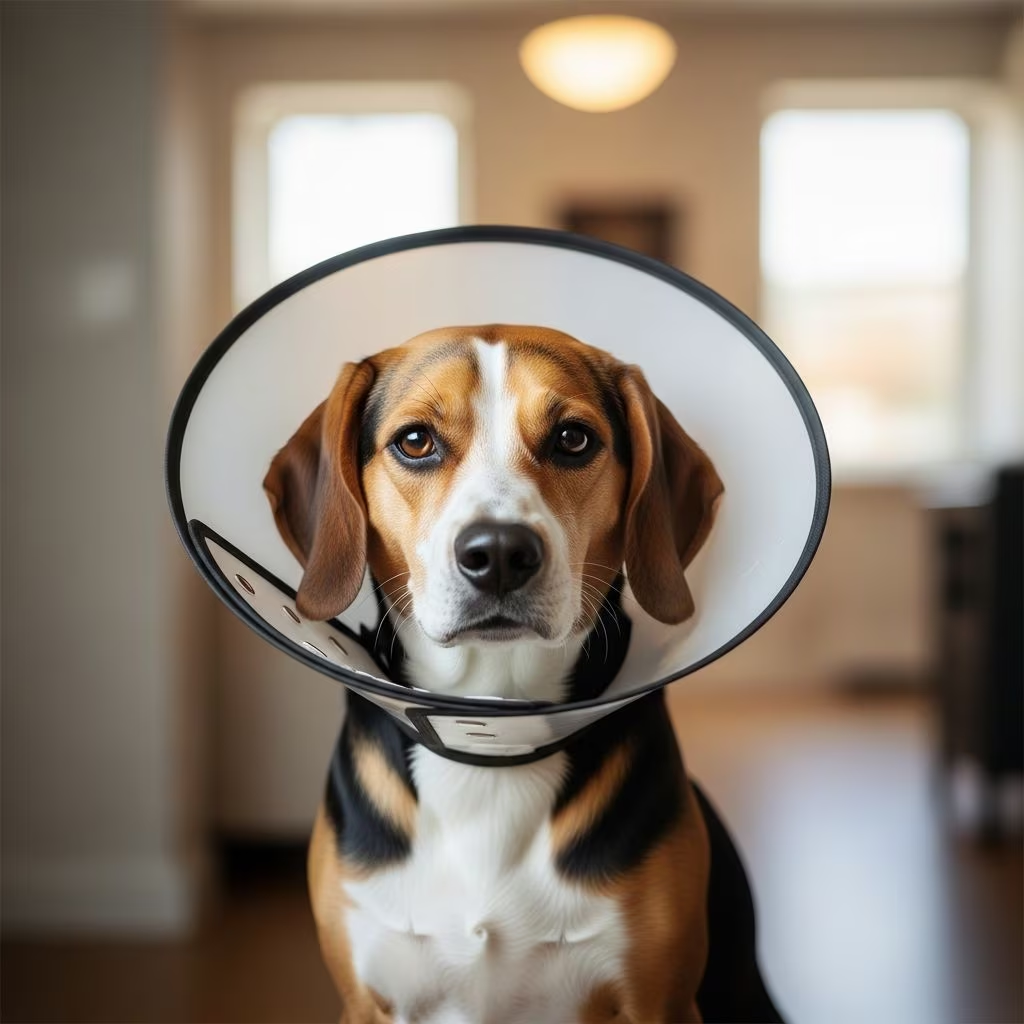
Understanding Elizabethan Collars in Dogs
An Elizabethan collar, commonly referred to as an E-collar, cone, lampshade, or “cone of shame,” is a cone-shaped plastic or fabric device that fits around your dog’s neck. Named after the ornate ruffled collars worn during the reign of Queen Elizabeth I, this essential veterinary tool has become indispensable in modern pet care. While dogs may not appreciate wearing one, Elizabethan collars play a crucial role in preventing self-trauma and ensuring proper healing during recovery periods. Understanding their purpose, proper use, and how to help your dog adjust can make the recovery process smoother and less stressful for both you and your pet.
Why Veterinarians Recommend Elizabethan Collars
Elizabethan collars serve as a primary line of defense in protecting recovering pets from licking, biting, scratching, or chewing at wounds, surgical sites, or irritated skin. When animals are in pain or discomfort, they naturally attempt to self-soothe through licking and biting behaviors. This instinctive response, while understandable, can significantly impede the healing process and lead to serious complications.
The most common reason veterinarians recommend E-collars is to prevent dogs from removing sutures following surgery. Post-operative incisions are particularly vulnerable to damage when dogs interfere with them. Without proper protection, your dog’s natural grooming instincts can result in loose stitches, wound reopening, infection, or ingestion of topical medications applied to the surgical site. By preventing access to the affected area, E-collars allow surgical wounds to heal properly and reduce recovery time significantly.
Common Medical Conditions Requiring E-Collar Use
While surgical recovery is the most frequent indication for E-collar use, these protective devices serve many other important functions in veterinary medicine. Understanding the various situations where E-collars are beneficial can help pet owners recognize when their dog might need one.
Post-Surgical Protection
Following any surgical procedure, veterinarians routinely recommend E-collar use to protect the incision site. This remains the most critical application of these devices, as post-operative complications can lead to extended healing times and additional medical interventions.
Wound and Injury Management
Dogs with cuts, puncture wounds, or injuries may require E-collars to prevent further trauma. When your dog has a visible injury such as a swollen paw pad or laceration, their instinct is often to lick and chew at the site, potentially worsening the condition. An E-collar prevents this self-inflicted damage during the critical healing phase.
Skin Conditions and Allergies
Dogs suffering from allergic reactions, hot spots (acute moist dermatitis), skin infections, or other pruritic skin diseases may engage in obsessive licking and scratching. These behaviors create a self-perpetuating cycle where irritation leads to more licking, which causes more irritation. E-collars help break this itch-lick cycle, allowing the skin condition to improve without continuous trauma from the dog’s own actions.
Other Medical Applications
E-collars have various other medical applications in veterinary practice. They may be used to prevent stimulation of mammary glands in pseudopregnant dogs, to prevent removal of catheters or bandages, to facilitate the application of ophthalmic medications, or to protect specialized equipment such as ECG recording devices used in experimental settings.
Types of Elizabethan Collars Available
Modern veterinary medicine offers several options when it comes to E-collar design and materials. Choosing the right type for your dog’s situation can improve comfort and compliance during the recovery period.
Traditional Plastic Cones
The most common and widely recognized Elizabethan collar is the rigid plastic cone. These cones are typically clear or translucent, allowing you to monitor your dog’s incision or skin condition without removing the collar. They are durable, easy to clean, and relatively inexpensive. However, they can be noisy when your dog moves around and may scratch furniture or doorways.
Fabric E-Collars
Soft fabric E-collars offer a more comfortable alternative to rigid plastic. These collars are often made from nylon or canvas and may be less traumatic for some dogs. They tend to be quieter than plastic cones and can be more aesthetically pleasing, though they may be less visible for wound inspection.
Inflatable Collars
Inflatable E-collars resemble a donut or pool float around the neck. These provide a softer, more comfortable option that some dogs tolerate better than traditional cones. However, they may not be suitable for all situations, particularly if your dog can reach a wound or incision around the sides.
Specialized Recovery Suits
In some cases, particularly for torso wounds or hot spots on the body, recovery suits or body wraps may be recommended instead of or in addition to an E-collar. These garments protect the affected area while potentially allowing greater mobility and comfort.
How to Properly Fit an Elizabethan Collar
Correct fitting is essential for the E-collar to function effectively while remaining as comfortable as possible for your dog. An improperly fitted collar may not provide adequate protection or could cause unnecessary discomfort.
Measuring for the Right Size
E-collars come in various sizes to accommodate different dog breeds and head sizes. Your veterinarian will typically measure your dog and recommend an appropriate size. As a general guideline, the collar should extend beyond your dog’s nose by approximately one to two inches, preventing them from reaching wounds on their body while not extending so far that it becomes unwieldy or causes excessive stress.
Fitting Around the Neck
The collar should fit snugly around your dog’s neck without being so tight that it restricts breathing or causes discomfort. You should be able to fit approximately two fingers between the collar and your dog’s neck. The collar should be secured firmly enough that your dog cannot slip it off or turn it sideways to access their body.
Regular Adjustment and Monitoring
During the recovery period, regularly check the fit of the E-collar, especially if your dog’s neck size changes due to swelling or weight fluctuations. Ensure that the collar hasn’t become loose and that your dog shows no signs of irritation or chafing around the neck area.
Helping Your Dog Adjust to an Elizabethan Collar
Most dogs initially resist wearing an E-collar, and some may display signs of stress or confusion. However, with patience and proper acclimation strategies, many dogs adapt within several days to a week.
Introduction and Positive Association
Begin by allowing your dog to see and smell the collar before placing it on them. Offer treats and praise to create a positive association. Gradually introduce the collar by placing it on for short periods while engaging your dog in enjoyable activities or offering high-value treats.
Initial Wearing Period
Start with brief periods wearing the collar, gradually increasing duration. During the first few hours of collar wear, provide close supervision. Many dogs benefit from constant companionship during this adjustment phase, as your presence can provide reassurance and comfort.
Environmental Modifications
Make your home environment more navigable while your dog adjusts. Remove or pad sharp furniture corners, provide extra space for movement, and consider restricting access to stairs if your dog appears to struggle with navigation. Use wider doorways when possible and remove obstacles from common pathways.
Exercise and Mental Stimulation
Continue providing appropriate exercise and mental stimulation while your dog wears the E-collar. This helps maintain their overall wellbeing and can reduce stress-related behaviors. Shorter, supervised walks and gentle play are often suitable alternatives to their normal activity level during recovery.
Monitoring for Complications
Watch for signs of excessive stress, including panting, drooling, refusing to eat or drink, or attempts to remove the collar. Some dogs may experience difficulty eating or drinking with the collar on, requiring supervision or modifications to their feeding setup.
Challenges Dogs May Experience
While Elizabethan collars are essential recovery tools, they do present certain challenges for our canine companions. Understanding these difficulties can help you provide appropriate support and solutions.
Navigation Difficulties
Many dogs initially struggle with navigation while wearing an E-collar. They may have difficulty moving through doorways, navigating stairs, or maneuvering in tight spaces. Some dogs occasionally bump into furniture, doorways, tables, or chairs. However, most dogs develop problem-solving skills and adapt to their temporary mobility limitations relatively quickly.
Sleep Disruption
The unfamiliar sensation of an E-collar may disrupt your dog’s normal sleep patterns initially. Some dogs struggle to find comfortable sleeping positions or may experience anxiety that interferes with rest. Creating a comfortable recovery space with appropriate bedding can help mitigate this issue.
Feeding and Drinking
Some dogs experience difficulty accessing their food and water bowls while wearing an E-collar. The cone may interfere with their ability to lower their head sufficiently. Elevated feeding stations or shallow, wide bowls may help address this challenge.
Social Interaction Impact
Dogs recovering with E-collars may have reduced ability to play with other pets or may feel self-conscious about their appearance. If your household has multiple pets, supervise interactions carefully, as other animals may react negatively to the cone or may attempt to remove it.
When to Contact Your Veterinarian
While most dogs tolerate E-collars reasonably well with proper support, certain situations warrant immediate veterinary attention. Contact your veterinarian if you notice the following:
- Significant behavioral changes or signs of severe distress
- Inability or refusal to eat or drink for extended periods
- Signs of chafing, irritation, or sores developing where the collar contacts the neck
- Any attempt your dog makes to remove the collar that might compromise the wound
- Swelling around the neck or difficulty breathing
- Any signs of infection at the surgical site or wound area
Quality of Life Considerations
Research indicates that while Elizabethan collars are essential for proper healing, they do have measurable impacts on a dog’s quality of life during the wearing period. Studies show that approximately 77.4% of pet owners report a reduced quality of life for their dogs while wearing the collar, with impacts on nutrition, environment, behavior, and mental state being most commonly reported. These effects are typically temporary and resolve once the collar is removed, but awareness of these temporary impacts can help owners provide additional support and understanding during their dog’s recovery period. The benefits of proper wound healing and prevention of serious complications far outweigh the temporary discomfort experienced while wearing the collar.
Frequently Asked Questions About Elizabethan Collars
Q: How long does my dog need to wear an Elizabethan collar?
A: The duration depends on the reason for use. Post-surgical collars are typically worn for 10-14 days, or until sutures are removed. For skin conditions or injuries, duration varies based on the healing process. Your veterinarian will provide specific guidance for your dog’s situation.
Q: Can I remove the E-collar while my dog is sleeping?
A: No. Dogs can wake suddenly and injure themselves quickly. The collar should remain on at all times unless specifically instructed otherwise by your veterinarian or when directly supervised and engaged in appropriate activities.
Q: What should I do if my dog refuses to eat or drink with the collar on?
A: Try using elevated, shallow, or wide bowls that allow easier access. You may also need to hand-feed your dog or feed them in small portions more frequently. Contact your veterinarian if eating or drinking difficulties persist.
Q: Are there alternatives to traditional Elizabethan collars?
A: Yes. Alternatives include inflatable collars, soft fabric E-collars, and recovery suits. However, the traditional plastic cone remains the most commonly recommended option for most situations. Discuss alternatives with your veterinarian to determine what’s best for your dog.
Q: My dog keeps trying to remove the collar. What should I do?
A: Ensure the collar is properly fitted and not causing discomfort or chafing. Provide constant supervision, keep your dog engaged with toys and activities, and maintain close companionship. Contact your veterinarian if attempts to remove the collar become frantic or if you suspect it’s causing pain.
Q: Is it safe for my dog to wear the cone outdoors?
A: Yes, outdoor time is beneficial for your dog’s mental wellbeing. However, supervise closely to prevent the collar from getting caught on branches, fences, or other obstacles. Keep outdoor time on leash for better control.
References
- “The Cone of Shame”: Welfare Implications of Elizabethan Collar Use in Dogs — National Center for Biotechnology Information. 2020. https://pmc.ncbi.nlm.nih.gov/articles/PMC7070745/
- Everything About Elizabethan Collar — Hobe Sound Veterinary Clinic. 2024. https://www.hobesoundvet.com/elizabethan-collar/
- Elizabethan Collars: Why, When & How to Use Them — Dogswell. 2024. https://dogswell.com/elizabethan-collars-why-when-how-to-use-them/
- Tips For When Your Dog Must Wear a Cone — Exeter Vet Hospital. 2024. https://elvh.ca/dog-cone/
- Benefits of Elizabethan Collars (Cones) — Kearney Area Animal Shelter. 2024. https://www.kearneyanimalshelter.com/resources/benefits-of-elizabethan-collars-cones
- E-collars, Cones, and Suits — Animal Works Veterinary Surgery. 2024. https://animalworksvets.com/e-collars-cones-and-suits/
- The Importance of E-Collars — MSPCA-Angell. 2024. https://www.mspca.org/angell_services/the-importance-of-e-collars/



