

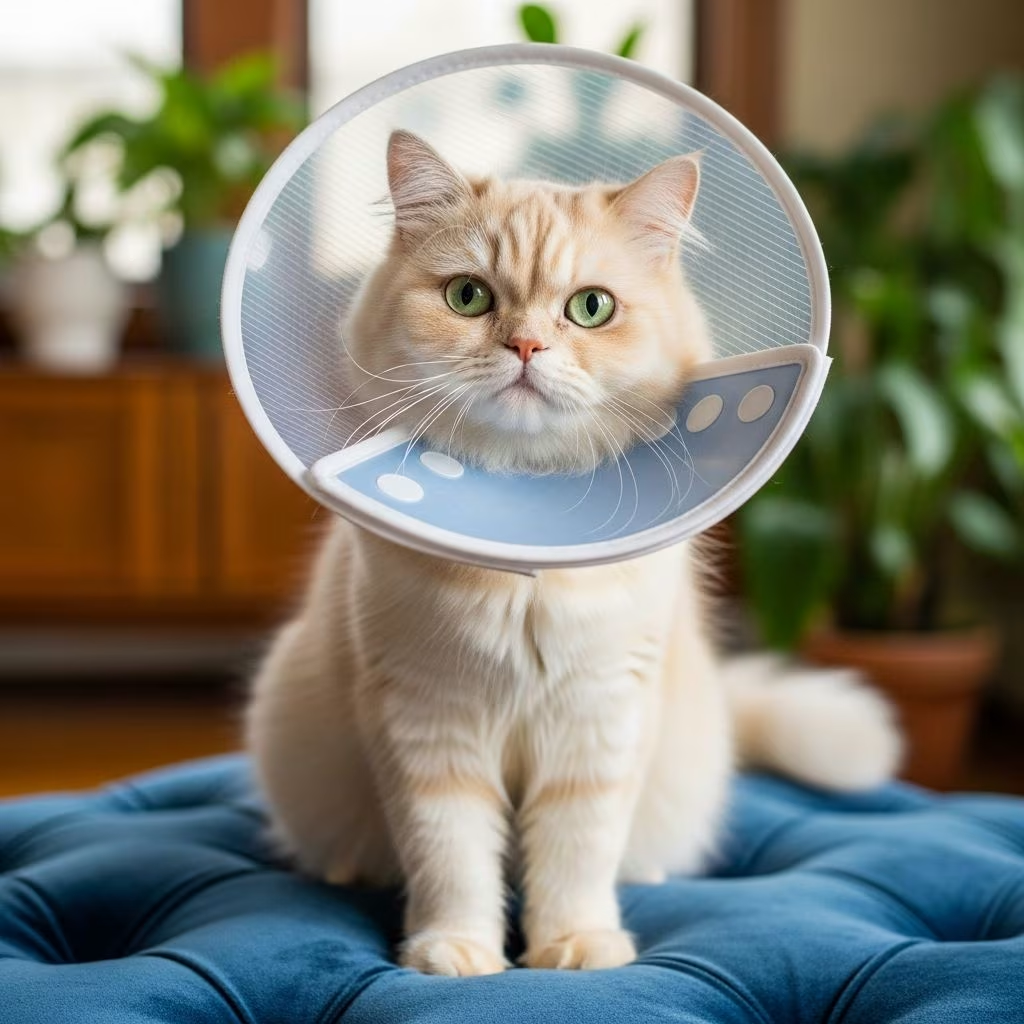
Understanding Elizabethan Collars for Cats
An Elizabethan collar, commonly referred to as an E-collar or humorously as the “cone of shame,” is a protective medical device designed to prevent cats from licking, biting, or scratching at surgical sites, wounds, dressings, or sensitive areas on their bodies. These collars are typically constructed from plastic or fabric materials and are shaped like a cone that extends around the cat’s head. The device has been a standard tool in veterinary medicine since at least the 1960s, proven to be essential for facilitating proper healing and preventing complications during a cat’s recovery process.
The primary function of an Elizabethan collar is straightforward yet critical: it creates a physical barrier between your cat’s mouth and paws and any area that might otherwise become the target of self-directed trauma. While the appearance may seem uncomfortable or comical, this protective device plays a vital role in ensuring your feline companion recovers properly from surgical procedures or injuries.
Why Your Cat Needs an Elizabethan Collar
The decision to place an Elizabethan collar on a cat following surgery or injury stems from understanding feline behavior and the serious consequences of wound interference. Cats have a natural instinct to groom themselves and attend to wounds by licking them. While this instinctive behavior serves important purposes in the wild, it can be profoundly harmful during the recovery process from surgical procedures or injuries.
When a cat licks or chews at a surgical site or wound, several dangerous complications can occur. The primary concern is the potential for infection, as bacteria from the cat’s mouth can enter the wound and compromise its sterile environment. Additionally, when cats lick incisions, they risk dislodging surgical stitches that hold the wound together, which can lead to reopening of the incision and significantly delayed healing. In cases where internal stitches are involved, the consequences can be even more severe, potentially affecting the success of the entire surgical procedure.
Studies have demonstrated that improper post-surgical care, including inadequate wound protection, can increase complication risks by up to 30 percent. The Elizabethan collar effectively mitigates these risks by preventing direct access to the surgical site, allowing wounds the critical opportunity to heal safely and completely. Beyond surgical recovery, these collars are also essential for protecting chronic or recurring skin conditions that require extended healing time.
Duration of Wear: How Long Should Your Cat Wear the Collar?
The length of time your cat must wear an Elizabethan collar depends on several factors related to the nature and severity of the injury or surgical procedure. On average, most cats require cone protection for approximately 10 to 14 days, which is typically the standard timeframe for surgical wounds to heal adequately and for stitches to be removed or dissolved.
However, the duration can vary considerably based on individual circumstances. For minor procedures, your cat may only need to wear the collar for a few days. Conversely, more complex surgeries or significant injuries may require several weeks of protection. Some cats with chronic or recurring skin conditions may need to wear the collar for extended periods or even intermittently over longer spans of time.
The most important guideline is to follow the specific instructions provided by your veterinarian, as they will assess your cat’s particular situation and provide tailored recommendations. To minimize the total duration your cat must wear the collar, it is essential to adhere strictly to your veterinarian’s post-operative care instructions. Regular follow-up appointments allow your vet to monitor healing progress and determine when the collar can safely be removed.
Removing and Replacing the E-Collar
While it is generally not advisable to remove the Elizabethan collar during the healing period, there are some situations where temporary removal may be permitted under specific circumstances and with your veterinarian’s approval. The primary reason for avoiding removal is the difficulty in properly replacing and repositioning the collar once it has been taken off.
If your veterinarian approves temporary removal, this should only occur during periods when you can provide close, constant supervision of your cat. If you do remove the collar, it is crucial to know how to refit it properly to ensure it remains secure and functional.
When replacing an Elizabethan collar, proper fit is paramount. Always ensure that you can comfortably fit two fingers between the collar and your cat’s neck. This two-finger gap is the standard measurement that ensures the collar is snug enough to prevent removal but not so tight that it restricts your cat’s ability to breathe or swallow. If you are unable to replace the collar correctly or if you are uncertain about the proper fit, contact your veterinarian immediately rather than risking improper placement that could cause harm to your cat.
Outdoor Safety Considerations
It is strongly recommended that cats wearing Elizabethan collars should not be allowed outdoors unsupervised. The cone significantly restricts a cat’s field of vision, preventing them from seeing potential dangers that might otherwise be visible in their normal peripheral vision. This compromised vision can lead to accidents or injuries.
Additionally, the protruding shape of the E-collar creates practical hazards in outdoor environments. The collar can easily become caught in plants, bushes, or other outdoor obstacles, potentially causing injury or trapping your cat. The collar can also restrict a cat’s ability to move through tight spaces or jump up and down with their normal agility and confidence.
For these reasons, if your cat must go outside while wearing an E-collar, they should be kept on a secure leash or under direct supervision at all times. Ideally, it is best to keep your cat indoors during the entire healing period while wearing the protective collar.
Special Care Requirements for Cats Wearing E-Collars
Eating and Drinking
One common concern among cat owners is whether their pet can eat and drink normally while wearing an Elizabethan collar. The answer is yes—a properly fitted E-collar should not prevent your cat from eating and drinking. However, the experience may initially feel awkward and cumbersome for your cat.
Most cats quickly adapt to eating and drinking with the collar in place. To facilitate this adaptation, you may need to modify your cat’s feeding setup. Some helpful adjustments include elevating the food and water bowls or changing their shape to accommodate the collar. Some cats find it easier to eat from a flat plate or saucer rather than a traditional bowl. Others may initially be reluctant to eat while wearing the collar but will resume normal feeding habits after a brief adjustment period. Patience and positive reinforcement during this transition are important.
Collar Maintenance and Neck Care
Maintaining the E-collar in good condition is essential for your cat’s comfort and safety. The collar should be kept clean and free of debris, as accumulated dirt or food particles can create discomfort or contribute to skin irritation. Regular inspection is necessary—check the collar at least once daily to ensure it is not causing irritation, abrasions, or pressure marks on your cat’s neck.
If you notice any signs of irritation or if the collar appears to be causing discomfort, you may need to adjust it or select a different size. Keeping a two-finger gap between the collar and neck helps prevent many of these issues while still maintaining proper fit and security.
Grooming and Hygiene
Because cats cannot groom themselves while wearing an Elizabethan collar, you will need to take on this responsibility during the healing period. Regular brushing or grooming becomes particularly important if your cat has long hair, as matting and tangles can develop without proper grooming. Taking time to gently brush your cat’s coat helps maintain their hygiene and prevents discomfort.
Home Environment Adjustments
When your cat first begins wearing an E-collar, they will need time to adjust to the altered spatial awareness and mobility that comes with the cone. During this adjustment period, many cats will inadvertently knock over objects or accidentally become stuck in confined spaces until they develop a better sense of how to navigate with the collar in place.
To prevent injuries or further complications, take time to examine your home for areas where your cat could become trapped, such as tight spaces between furniture or under low-clearance items. If possible, eliminate these hazards or restrict your cat’s access to these areas during their recovery period. Remove or secure any fragile items that could be knocked over as your cat moves around.
Additionally, some cats experience increased nervousness or startle responses while wearing the E-collar due to the obstruction of their peripheral vision. They cannot see things to the sides and above themselves as normally as they would without the collar. This altered perception can make them more anxious, so providing a calm, safe environment with familiar spaces and gentle interaction helps ease stress during recovery.
Proper Fitting and Assembly
Selecting the correct size E-collar is fundamental to successful post-operative recovery. With the help of a veterinary technician or veterinarian, you can choose an appropriate size that provides a snug but not excessively tight fit. The collar should be secure enough that your cat cannot easily remove it, yet comfortable enough to allow normal breathing and swallowing.
Most Elizabethan collars come disassembled or require connection to your cat’s regular collar. Assembly typically involves attaching the cone to a quick-release collar using a stretchy bandage or length of fabric. The collar is then gently slid over your cat’s head and positioned into place. This can be a good opportunity to offer your cat a treat as a way to create a positive association with the experience.
Once assembled, bring the bandage or fabric to the back of your cat’s neck and tie a loose bow to secure the collar in position. Ensure that the collar fits appropriately and allows free movement without being uncomfortably tight. Always verify that a two-finger gap exists between the collar and the neck, following the same guideline used for regular collars.
Adaptation and Behavioral Considerations
Although many cats initially resent wearing an Elizabethan collar and may vigorously attempt to remove it, most felines quickly become accustomed to the device within a short period. The key to successful adaptation is supervision during the first few hours of collar use to ensure your cat does not injure themselves in attempts to remove it, such as by getting a paw caught in the collar or by thrashing excessively.
With patience, positive reinforcement, and a calm environment, your cat will typically settle into wearing the collar. Providing comfort items, engaging in gentle play when appropriate, and maintaining your cat’s regular routine as much as possible helps facilitate this adjustment process.
Frequently Asked Questions
Q: Can my cat eat and drink normally with an E-collar on?
A: Yes, a properly fitted E-collar should not prevent eating and drinking. However, it may take time for your cat to adjust. Consider using elevated bowls, plates, or saucers, and be patient as your cat adapts to the new feeding experience.
Q: What should I do if my cat gets stuck in the collar?
A: Supervise your cat closely during the first few hours of collar use. If your cat becomes stuck or injured while trying to remove the collar, contact your veterinarian immediately. Examine your home for confined spaces and restrict your cat’s access to these areas.
Q: How do I know if the collar is too tight?
A: You should always be able to fit two fingers comfortably between the collar and your cat’s neck. If you cannot, the collar is too tight and needs adjustment or resizing. Check for signs of irritation or pressure marks on the neck daily.
Q: How long will my cat need to wear the collar?
A: Most cats wear E-collars for 10 to 14 days following surgery, but the duration depends on the type of procedure, healing progress, and your cat’s behavior. Follow your veterinarian’s specific recommendations for your cat’s situation.
Q: Can I take the collar off for supervised periods?
A: In general, removal is not advisable as it is difficult to replace properly. However, in some situations with veterinary approval, you may remove it during close supervision. Always ensure you can refit it correctly with proper two-finger neck clearance before reattaching.
Q: Should my cat go outside while wearing the cone?
A: No, outdoor time with an E-collar is not recommended unless your cat is on a leash or under direct supervision. The collar restricts vision and can become caught in outdoor obstacles, creating safety hazards.
References
- Elizabethan Collars in Cats — VCA Animal Hospitals. 2024. https://vcahospitals.com/know-your-pet/elizabethan-collars-in-cats
- Cat Cone After Surgery: Vet-Backed Guide — Happy Tails Veterinary Clinic. 2024. https://happytails-vet.ae/how-long-should-a-cat-wear-a-cone-after-surgery-vet-backed-guide/
- How to Fit an Elizabethan Collar to Your Cat — Goddard Veterinary Group. 2024. https://www.goddardvetgroup.co.uk/blog/how-to-fit-an-elizabethan-collar-to-your-cat/
- What Is a Cat Cone and Why Is It Used? — Pet Care Shed. 2024. https://petcareshed.com.au/blogs/pet-supplies/should-my-cat-wear-a-cone-all-day
- E Collar for Cats 101: How to Help Your Cat Heal Happily — Neakasa. 2024. https://neakasa.com/blogs/all/e-collar-for-cats
- Pet E-Collar Fit and Tips — Green Valley Veterinary Care. 2024. https://www.greenvalleyveterinarycare.com/services/pet-e-collar-fit-and-tips



