
Eliminating Nasal Mites in Dogs
Discover effective strategies to identify, treat, and prevent nasal mites in dogs for better respiratory health and comfort.
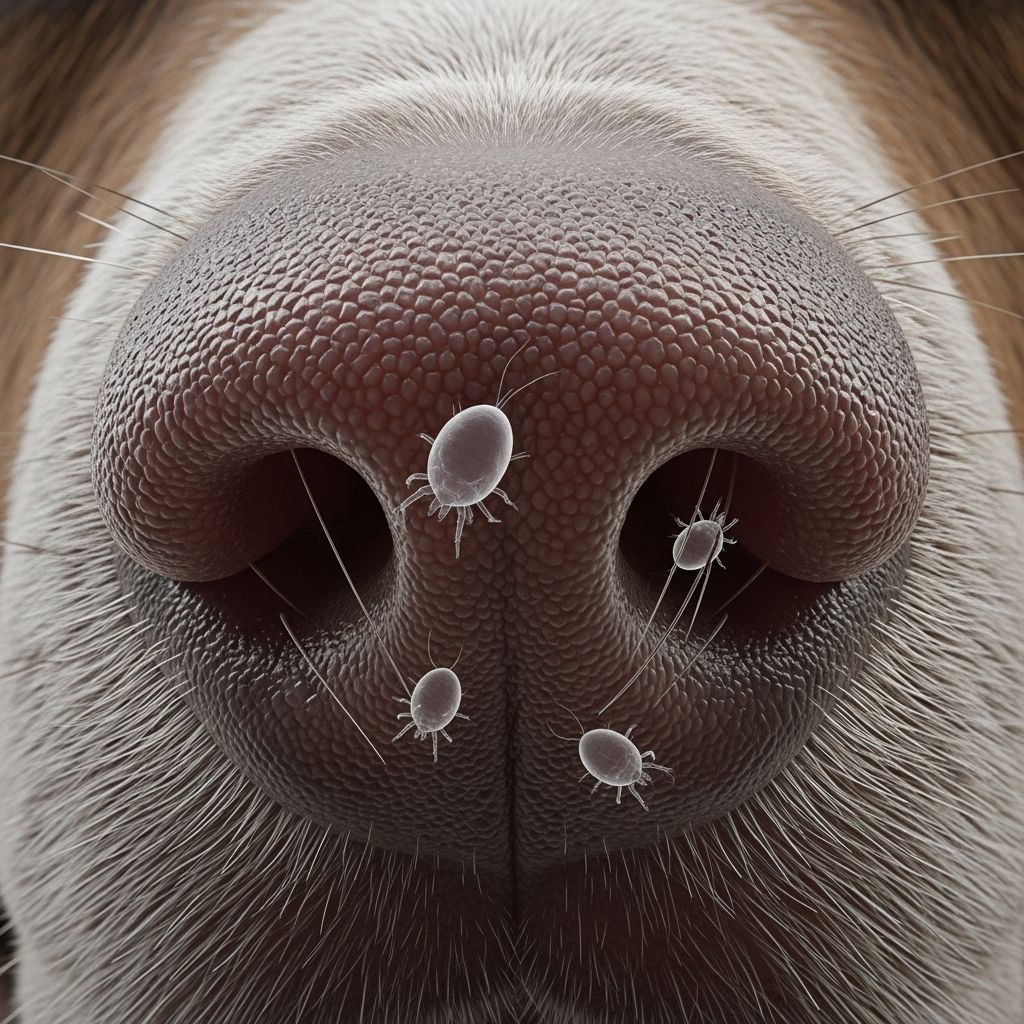
Canine nasal mites, scientifically known as Pneumonyssoides caninum, are tiny parasites that inhabit the nasal passages and sinuses of dogs, causing discomfort and respiratory issues. These mites can affect dogs of all ages and breeds, leading to symptoms that mimic other common nasal problems. Early detection and appropriate intervention are crucial for restoring your dog’s comfort and preventing complications. This guide provides dog owners with detailed insights into managing this condition effectively.
Understanding the Nature of Nasal Mites
Nasal mites are specialized parasites that thrive exclusively in the moist, warm environment of a dog’s nasal cavities and paranasal sinuses. Unlike external parasites such as fleas, these mites reside internally, making them challenging to detect without professional veterinary tools. Transmission occurs primarily through direct dog-to-dog contact or indirectly via shared environments like kennels, dog parks, or grooming facilities. There is no evidence indicating transmission to humans, posing no zoonotic risk.
Prevalence varies by region, with some studies noting infections in up to 25% of dogs in certain areas. The mites feed on mucus and tissue secretions, potentially leading to irritation, secondary infections, and impaired olfactory function. While not typically fatal, untreated infestations can significantly reduce a dog’s quality of life.
Recognizing the Signs of Infestation
Dogs with nasal mites often exhibit a range of respiratory and behavioral symptoms. The most frequent indicators include:
- Frequent
sneezing
, sometimes violent or persistent. - **Nasal discharge**, which may be clear, mucoid, or bloody.
- **Nosebleeds** (epistaxis), especially noticeable on light-colored fur.
- **Head shaking** or vigorous rubbing of the face against surfaces.
- **Reverse sneezing**, characterized by rapid inward sniffs followed by a snort.
- **Noisy breathing**, including snoring, stridor, or wheezing.
- Impaired sense of smell, leading to disinterest in food or familiar scents.
- Facial itching or pruritus.
- Less common: coughing, restlessness, or even collapse in severe cases.
These symptoms can wax and wane, complicating self-diagnosis. Owners might initially attribute them to allergies, colds, or foreign objects, delaying proper care.
Diagnostic Approaches for Confirmation
Accurate diagnosis requires veterinary expertise, as symptoms overlap with allergies, infections, tumors, or inhaled irritants. Initial assessments often include:
- Physical examination and history review.
- Standard radiographs to rule out dental issues or masses, though they provide limited nasal detail.
- Advanced imaging like
CT scans
for structural evaluation of sinuses and passages.
Definitive identification involves invasive but reliable procedures performed under general anesthesia:
| Method | Description | Advantages |
|---|---|---|
| Rhinoscopy | Insertion of a flexible endoscope into nasal passages. | Direct visualization of mites and tissue damage. |
| Nasal Lavage/Flushing | Saline flush through nares, collecting fluid from oropharynx. | Sample examination for mites; tests for secondary infections. |
| Biopsy (if needed) | Tissue sampling for histopathology. | Rules out neoplasia or chronic inflammation. |
Fluid samples are scrutinized under magnification for live mites. These methods ensure mites are distinguished from other causes.
Proven Treatment Protocols
No FDA-approved drugs exist specifically for nasal mites, but several antiparasitics demonstrate high efficacy, often exceeding 85% success rates. Treatments must be veterinarian-prescribed due to dosing precision and breed sensitivities (e.g., Collies with MDR1 gene mutation risk ivermectin toxicity).
Primary Antiparasitic Options:
- Milbemycin oxime: 0.5-1.0 mg/kg orally, weekly for 3 weeks. Highly effective with minimal side effects.
- Ivermectin: 200-400 mcg/kg subcutaneously or orally, often as a single or weekly dose. Monitor for overdose risks.
- Selamectin (topical): 6-24 mg/kg applied 3 times every 14 days. Convenient spot-on formulation.
Supportive therapies address symptoms:
- Antibiotics for secondary bacterial infections.
- Steroids or antihistamines to reduce inflammation and itching.
- Sedatives for anxious dogs with breathing difficulties.
Treatment response varies; symptoms may resolve within days (e.g., nosebleeds in 48 hours post-ivermectin), but full clearance requires follow-up. Re-testing via lavage confirms eradication.
Prevention Strategies for Healthy Nasal Passages
Preventing reinfestation involves minimizing exposure and bolstering immunity:
- Avoid high-risk areas like crowded dog parks during peak seasons.
- Quarantine new dogs before introducing to your pack.
- Maintain hygiene: Clean shared bowls, bedding, and toys regularly.
- Routine veterinary check-ups with fecal and nasal screenings in endemic areas.
- Consider prophylactic antiparasitics if your dog has a history.
- Boost overall health with balanced nutrition, exercise, and stress reduction.
No commercial preventives target nasal mites specifically, but broad-spectrum products may offer incidental protection.
Potential Complications and Prognosis
While most dogs recover fully with treatment, complications like chronic rhinitis, sinusitis, or scarring can occur if delayed. Persistent symptoms post-treatment warrant re-evaluation for co-infections or alternative diagnoses. Prognosis is excellent with confirmed mite presence and prompt care—over 85% achieve complete resolution.
Breeds with long noses (e.g., hounds) may be more susceptible due to anatomy, but all are at risk.
Frequently Asked Questions (FAQs)
Can nasal mites spread to cats or humans?
No, these mites are canine-specific with no documented transmission to other species.
How long do symptoms take to appear after exposure?
Incubation is variable, often weeks, with symptoms emerging as mite populations grow.
Is home treatment safe?
No—dosing errors with ivermectin can be fatal. Always consult a vet.
Will symptoms return after treatment?
Reinfestation is possible via exposure; recheck if symptoms recur.
Can I prevent diagnosis discomfort for my dog?
Anesthesia ensures procedures are painless, with quick recovery.
By staying vigilant and partnering with your veterinarian, you can effectively manage and eliminate nasal mites, ensuring your dog’s nasal health and happiness.
References
- Canine Nasal Mites — Merck Veterinary Manual. 2023. https://www.merckvetmanual.com/respiratory-system/respiratory-diseases-of-small-animals/canine-nasal-mites
- Nasal Mites — Companion Animal Parasite Council (CAPC). 2024. https://capcvet.org/guidelines/nasal-mites/
- Nasal Mites in Dogs — WagWalking. 2023. https://wagwalking.com/condition/canine-nasal-mites
- Canine Nasal Mites – Dog Owners — MSD Veterinary Manual. 2024. https://www.msdvetmanual.com/dog-owners/lung-and-airway-disorders-of-dogs/canine-nasal-mites
- Nasal Mites in Dogs — Vetster. 2023. https://vetster.com/en/conditions/dog/nasal-mites
Similar Articles








Read full bio of Sneha Tete




