Eliminating Leeches from Freshwater Aquariums
Discover effective strategies to detect, treat, and prevent leech infestations in your freshwater fish tanks for healthier aquatic environments.
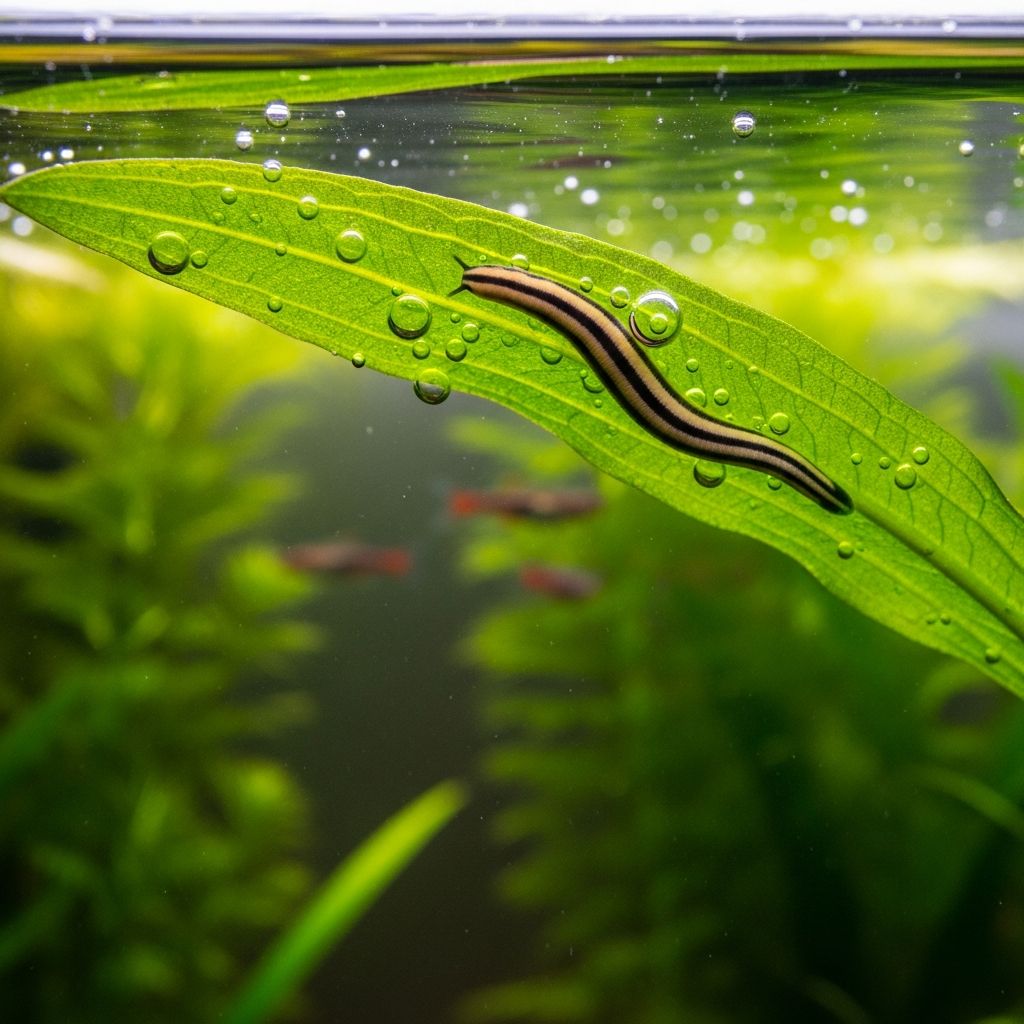
Leeches pose a significant threat to freshwater fish in home aquariums, feeding on blood and potentially causing severe health issues. These parasitic worms attach to fish, leading to anemia, lethargy, and secondary infections if not addressed promptly. Understanding their biology, detection methods, and control strategies is crucial for maintaining a thriving tank environment.
Understanding Leech Infestations in Aquariums
Leeches are segmented worms belonging to the class Hirudinea, known for their blood-feeding habits in aquatic settings. In freshwater systems, species like those in the genus Barbronia or snail-leeches (Glossiphonia sp.) commonly invade aquariums. They enter via infested plants, live foods from natural sources, unquarantined fish, or secondhand equipment.
These parasites thrive in nutrient-rich environments with decaying matter, attaching to fish gills, skin, fins, and mouths using powerful suckers. Heavy infestations weaken fish by depleting blood reserves, impairing oxygen transport, and opening wounds vulnerable to bacteria. Unlike non-parasitic pond leeches that consume sludge, aquarium varieties target live hosts, making them particularly dangerous in confined spaces.
Spotting the Signs of Leech Presence
Early detection prevents widespread tank damage. Watch for fish exhibiting unusual behaviors such as flashing against objects, rapid gill movement, or hiding. Visible signs include dark, elongated worms (1-5 cm) clinging to the body, especially in low-light conditions when they feed actively.
Inspect during water changes or feeding: leeches appear as flat, leathery segments with tapered ends. Fish may show pale gills, skin ulcers, or emaciation from blood loss. In advanced cases, mortality rises as parasites multiply, completing life cycles on hosts or intermediates like snails.
- Behavioral cues: Lethargy, loss of appetite, erratic swimming.
- Physical indicators: Attached worms, red feeding marks, fin erosion.
- Tank-wide effects: Multiple fish affected, declining water quality from stress-induced waste.
Diagnostic Approaches for Accurate Identification
Confirming leeches requires careful examination. Home hobbyists can use a flashlight and magnifying glass to scan sedated fish in a separate container. For precision, consult a veterinarian experienced in fish medicine. Sedation with low-dose anesthetics like MS-222 allows safe handling without harm.
Professionals scrape skin, gill, and mouth samples for microscopic analysis, identifying species and life stages. This distinguishes leeches from similar parasites like lice or flukes, ensuring targeted therapy. Macroscopic removal during exams reduces immediate load.
Effective Treatment Options
Treatment varies by infestation severity and tank inhabitants. Assume all fish and invertebrates are exposed if one shows symptoms; sensitive species like shrimp demand cautious chemical use.
| Method | Description | Pros | Cons |
|---|---|---|---|
| Manual Removal | Gently detach leeches with blunt tools; swab wounds with povidone-iodine. | Immediate, no chemicals. | Labor-intensive, misses hidden parasites. |
| Organophosphates (e.g., Diflubenzuron/Dimilin) | Bath or immersion inhibits exoskeleton in larvae/lice-like stages. | Effective against life cycles. | Toxic; vet supervision needed. |
| Oxidants (Formalin/Potassium Permanganate) | Short baths kill adults; precise dosing critical. | Broad-spectrum. | Hazardous if overdosed. |
| Copper-Based (for specific species) | Targets Barbronia weberi; avoid with inverts. | Potent for some leeches. | Harms shrimp/snails. |
Perform treatments in quarantine tanks to protect main setups. Follow with 25-50% water changes and carbon filtration to remove residues. Repeat doses per vet guidance, monitoring ammonia/nitrite levels.
Supportive Care During Recovery
Post-treatment, prioritize water parameters: pH 6.5-7.5, temperature 24-28°C, zero ammonia. High-protein feeds like bloodworms or pellets aid hemoglobin rebuild in anemic fish.
Antibiotics (e.g., via medicated food) combat ulcer-related infections. Aeration boosts oxygen for compromised gills. Quarantine recovering fish until parasite-free, typically 2-4 weeks.
Prevention Strategies for Leech-Free Tanks
Proactive measures outperform reactions. Quarantine new fish 4-6 weeks in isolated systems, observing for parasites.
Source in-vitro plants, dip others in saltwater or hydrogen peroxide. Disinfect used gear with bleach solutions (1:20 dilution, rinsed thoroughly). Avoid wild-caught foods; opt for cultured alternatives.
- Quarantine protocol: Separate tank, daily checks, no direct transfers.
- Plant prep: Rinse, quarantine 1-2 weeks.
- Maintenance: Regular gravel vacuums reduce organic buildup.
Advanced Control in Larger Systems
For ponds or community tanks, integrate traps: bait cans with meat (chicken livers, fish scraps) punctured for entry. Place shallowly overnight, dispose contents far from water. Combine with beneficial bacteria to digest sludge, leech breeding grounds.
Winter drawdowns in freeze-prone areas strand parasites in muck, though risky for other life. Stock predator fish cautiously, as many prefer free-swimming prey over attached leeches.
Frequently Asked Questions
Can leeches fatally harm aquarium fish?
Low numbers irritate without killing, but dense populations cause anemia and death by blood loss or infection.
Do dewormers like Panacur eliminate leeches?
No; these target nematodes, ineffective against annelid leeches. Use species-specific parasiticide.
Are copper treatments safe for all tanks?
No; lethal to invertebrates like snails/shrimp. Reserve for fish-only systems.
How long until fish recover post-treatment?
1-4 weeks with optimal care; monitor weights and activity.
Can leeches spread between tanks?
Yes, via shared nets, siphons, or infested plants/equipment. Sterilize tools.
Long-Term Aquarium Health Management
Sustain vigilance with biweekly parameters testing, 20-30% weekly changes, and diverse diets. Join forums for species-specific advice, but verify with vets. Balanced ecosystems resist invasions naturally.
By integrating these practices, aquarists foster resilient communities, minimizing parasitic disruptions. Consistent habits ensure vibrant, leech-free displays.
References
- Lice and Leeches in Fish — PetMD. 2023. https://www.petmd.com/fish/conditions/infectious-parasitic/c_fi_lice_leeches
- Leeches — Aquasabi Aquascaping Wiki. 2023. https://www.aquasabi.com/aquascaping-wiki_parasites_leeches
- Leech Control — Pond Place Resources. 2023. https://www.pondplace.com/resources/leech-control_ae6.html
- How to Remove Pond Leeches — The Pond Guy Learning Center. 2023. https://www.thepondguy.com/learning-center/-how-to-remove-pond-leeches/
Similar Articles







Read full bio of Sneha Tete