

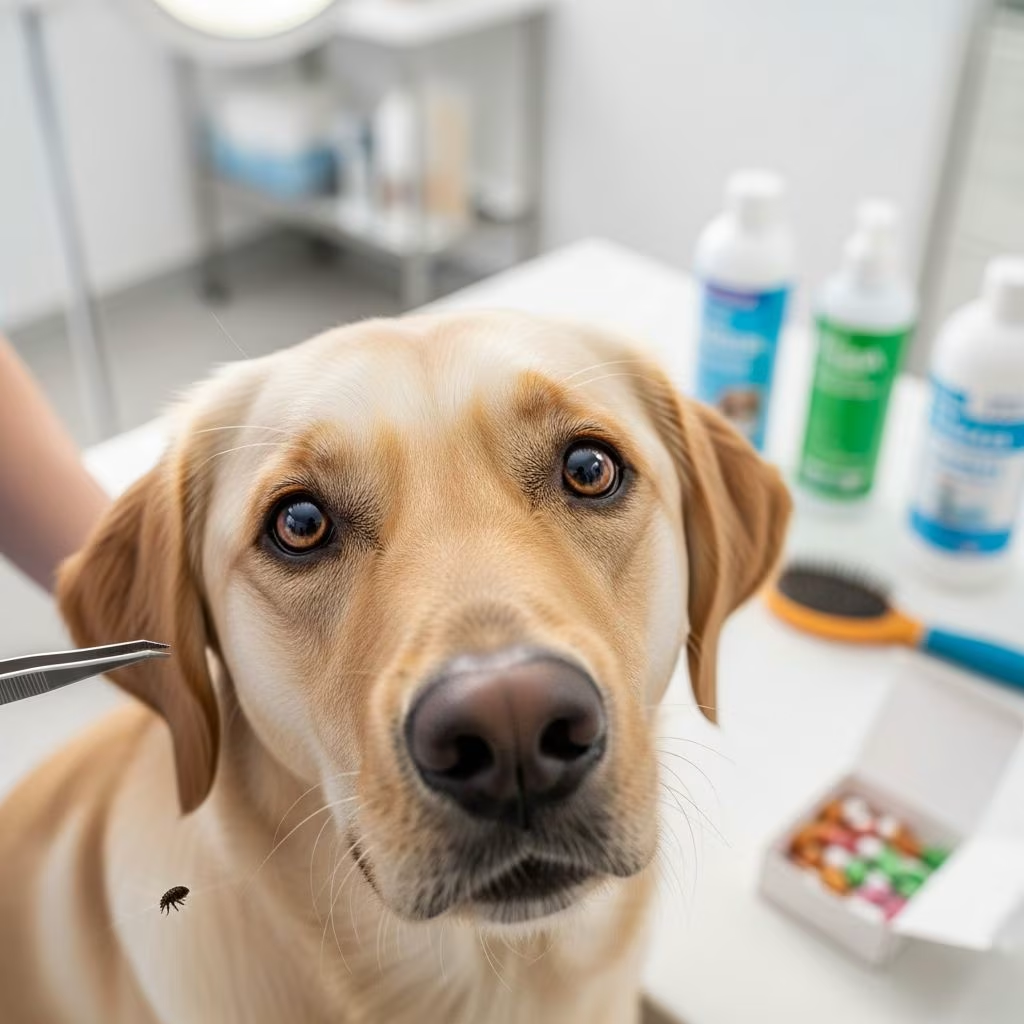
Fleas pose a significant threat to canine health, causing discomfort, itching, and potential diseases. Effective elimination requires a multi-faceted approach combining pet treatment, environmental control, and consistent prevention. This guide outlines identification, treatment options, home sanitation, and long-term strategies to ensure your dog remains flea-free.
Recognizing Flea Infestations in Canines
Dogs infested with fleas often exhibit excessive scratching, particularly around the base of the tail, hindquarters, and belly. Look for flea dirt—small black specks that turn reddish-brown when wet with saliva—as a primary indicator. Flea bites cause red, inflamed skin, hair loss, and in severe cases, flea allergy dermatitis leading to hot spots or secondary infections.
- Visual Inspection: Part the fur to spot tiny, fast-moving brown insects, especially on light-colored dogs.
- Flea Comb Test: Run a fine-toothed comb through the coat; live fleas or debris confirm presence.
- Symptom Checklist: Restlessness, biting at skin, pale gums from anemia in puppies, or tapeworm segments in stool signal advanced issues.
Prompt detection prevents escalation, as a single flea can produce thousands of offspring rapidly.
Understanding the Flea Life Cycle
Fleas undergo complete metamorphosis: egg, larva, pupa, and adult. Only 5% of the population lives on the pet; the rest resides in the environment. Eggs fall off into carpets and bedding, hatching into larvae that feed on organic debris before spinning pupal cocoons. Adults emerge to feed on blood, completing the cycle in 2-3 weeks under ideal conditions.
| Stage | Duration | Location | Vulnerability |
|---|---|---|---|
| Eggs | 2-14 days | Pet fur, environment | Easy to vacuum |
| Larvae | 5-20 days | Dark areas like cracks | Sensitive to insecticides |
| Pupae | 5-14 days | Protected cocoons | Resistant; triggered by heat/vibration |
| Adults | Weeks to months | On host | Killed by adulticides |
Targeting all stages ensures complete eradication.
Topical Treatments: Fast-Acting Skin Applications
Topical flea treatments, applied directly to the skin, spread via natural oils to kill fleas on contact or through ingestion. Common active ingredients include fipronil, imidacloprid, and selamectin, effective against adults, eggs, and larvae.
- Application Method: Part fur at shoulder blades or base of skull; squeeze pipette contents. Avoid bathing for 48 hours.
- Duration: Monthly protection; some like Frontline kill fleas in 5 minutes and ticks in 1 hour.
- Pros: Waterproof, broad-spectrum against ticks and lice.
- Cons: Not for puppies under 8 weeks; potential skin irritation.
Products like Advantage and Revolution provide multi-parasite control.
Oral Medications: Systemic Flea Killers
Oral flea treatments are absorbed into the bloodstream, poisoning fleas upon biting. Chewable tablets like Bravecto, NexGard, Simparica, and Credelio kill fleas within hours.
- Speed: Credelio starts in 2 hours, full kill in 6-12; Simparica in 3 hours.
- Benefits: Flavored, easy to administer; many cover heartworm and intestinal worms.
- Cautions: Prescription required; not ideal for flea-allergic dogs as bites occur first.
Trifexis offers comprehensive protection but skips ticks.
Flea Collars and Long-Term Options
Modern flea collars release imidacloprid and flumethrin over 8 months, killing fleas in 24 hours and ticks in 48. Seresto remains effective even with swimming.
- Advantages: Set-it-and-forget-it; odorless, water-resistant.
- Drawbacks: Higher initial cost; ensure snug fit for skin contact.
Ideal for low-maintenance households.
Immediate Relief: Shampoos, Sprays, and Combs
For heavy infestations, start with flea shampoos or sprays containing pyrethrins for instant adult kill, though short-term. Flea combs remove fleas mechanically; drown in soapy water.
- Shampoos: Lather for 10 minutes; rinse thoroughly.
- Sprays: Cover entire coat; time-intensive for large breeds.
Use as adjuncts to prevent resistance.
Environmental Control: Breaking the Cycle at Home
Treat your home thoroughly, as 95% of fleas live off-pet. Vacuum daily, focusing on cracks, under furniture, and pet areas; dispose of bags immediately.
- Wash Bedding: Hot water (>140°F) kills all stages.
- Insect Growth Regulators (IGRs): Like methoprene, prevent larval development.
- Professional Extermination: For severe cases.
Repeat vacuuming for 2 weeks post-treatment.
Natural and Home Remedies: Supportive Measures
While not substitutes, options like diatomaceous earth (food-grade), essential oils (diluted lavender), or apple cider vinegar rinses offer mild repellency. Always vet-approved to avoid toxicity.
Prevention Strategies for Year-Round Protection
Year-round preventives are essential, even in cold climates, due to indoor survival. Rotate products to prevent resistance; consult vets for puppy, pregnant, or multi-pet homes.
- Puppy Protocols: Start at 8 weeks with age-appropriate topicals.
- Multi-Pet Homes: Treat all simultaneously.
Regular grooming and yard maintenance (mow, remove debris) reduce risk.
Health Risks and When to See a Vet
Fleas transmit tapeworms, Bartonella, and cause anemia in young dogs. Flea allergy dermatitis requires steroids or antibiotics. Seek vet care for lethargy, severe itching, or open sores.
Frequently Asked Questions
Can fleas live in winter?
Yes, indoors where warmth sustains them.
How long until fleas are gone after treatment?
1-2 weeks with full protocol.
Are flea collars safe for puppies?
From 7-8 weeks, per product specs.
Do I need to treat my yard?
Yes, with pet-safe sprays if outdoor exposure.
What’s the best flea treatment for dogs?
Combo of oral/topical plus environmentals, vet-recommended.
References
- Best Flea Treatment for Dogs | Get Rid of Fleas Safely — Eglinton Dufferin Animal Clinic. 2023. https://www.eglintondufferinanimalclinic.com/blog/1302966-flea-treatment-for-dogs-a-complete-guide-to-canine-flea-care
- The Ultimate Guide to Flea Control for Pets — Santa Monica Vet. 2023. https://santamonicavet.com/the-ultimate-guide-to-flea-control-for-pets-pharmaceutical-and-natural-options/
- Treating fleas in dogs: a review of the treatments — Elanco. 2024. https://mypetandi.elanco.com/au/parasites/review-dog-flea-treatments-what-are-options-your-pet
- A Complete Guide to Effective Flea Treatments for Dogs — Heads Up For Tails. 2023. https://headsupfortails.com/blogs/dogs/dog-flea-treatments-complete-guide
- Fleas: Treatment & Prevention — Oregon Veterinary Medical Association (.org, veterinary authority). 2024. https://www.oregonvma.org/care-health/companion-animals/health-safety/fleas-treatment-prevention
- The Complete Guide to Flea and Tick Prevention and Treatment for Dogs — PetMD. 2024. https://www.petmd.com/dog/general-health/flea-and-tick-prevention-and-treatment-dogs
- Flea and Tick Prevention for Dogs [A Complete Guide] — PetWellClinic. 2023-03-15. https://www.petwellclinic.com/wp/2023/03/15/flea-and-tick-prevention-for-dogs-a-complete-guide/



